
Texas Johnny
Corporal
- Joined
- Jan 29, 2019
- Location
- Texas
Santa came a bit early when my Starr carbine arrived in the mail. I purchased it at the Franklin Civil War Show earlier this month. Since my wife and I flew to Tennessee we had to have it shipped to us. The Starr was the fifth most purchased carbine by the U.S. government, with a total of 20,601 Starr percussion type carbines purchased by the U.S. Ordnance Department, along with another 5,001 Starr rimfire type carbines purchased in 1865.
It was designed by Ebenezer T. Starr and was tested by the U.S. military in 1858 where it performed well. Starr sold his patent rights to a group of New York investors who formed the Starr Arms Company with offices in New York City. In 1861 a plant in Yonkers, New York opened which was built mainly to produce carbines, although some revolvers were also manufactured there.
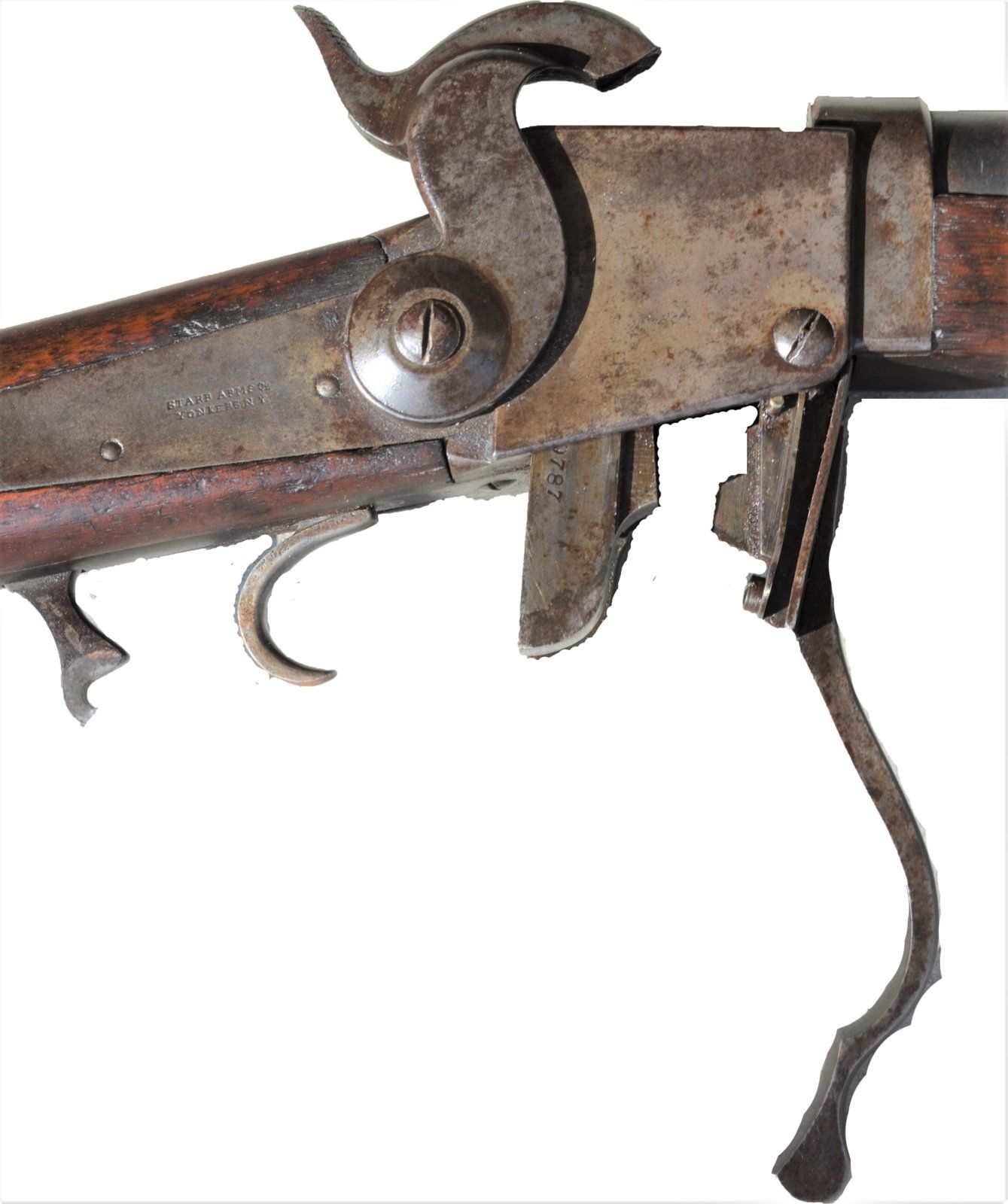
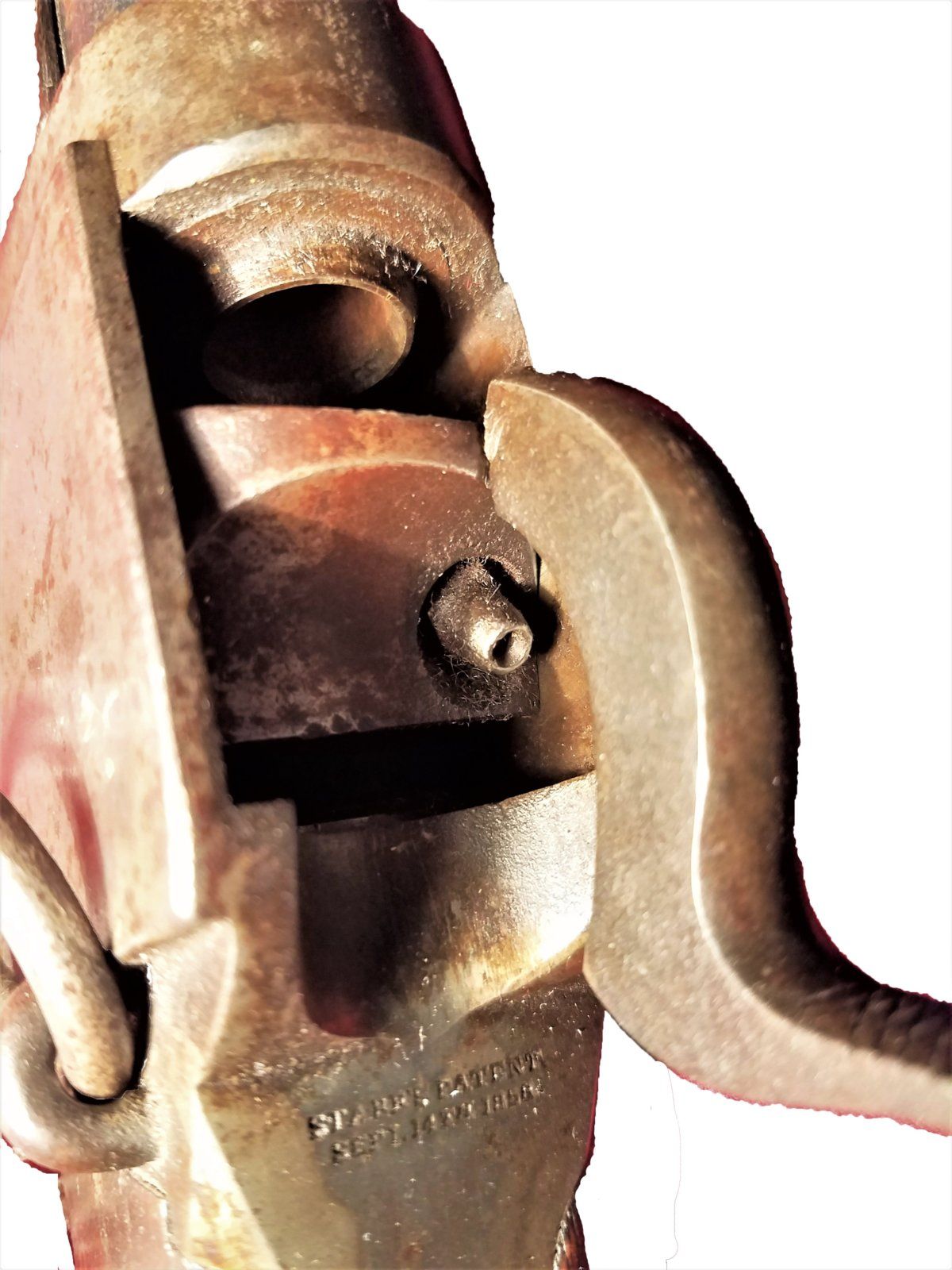
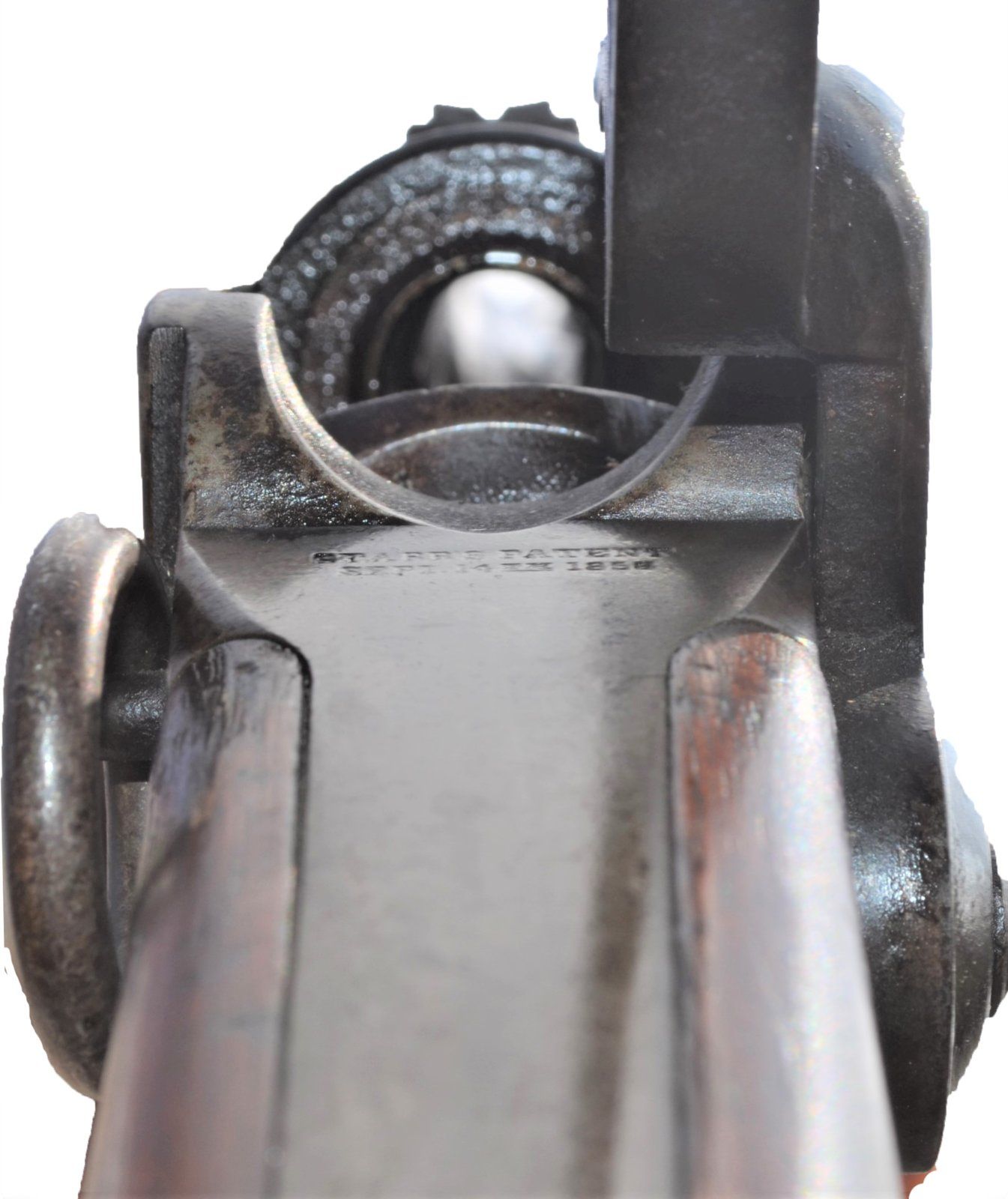
My Starr has the percussion firing system and is a single shot .54 caliber breech loading carbine. The percussion Starr fired a linen cartridge. The Starr cartridge very much resembled the Sharps carbine cartridge and the two were often confused in the field. The breech is opened by unlatching a catch on the trigger guard, the trigger guard will then drop down and can be moved forward allowing the breech block to drop down, opening the Starr in the load position.
There were many complaints by Union soldiers about how the Starr carbine misfired, although some of the problems might have been due to the ammo confusion with Sharps cartridges. In a survey of Union officers, done by the Ordnance Department in 1863-1864, the Starr carbine did not fare very well. The chief complaint was over the fact that if often wouldn't always fire. About 78% of Union officers described the Starr carbine as "poor to worthless."
This would result in a new Starr carbine, which would fire the 56-52 metallic Spencer cartridge. These were all manufactured in 1865, so I seriously doubt any of the new carbines saw any action during the ACW. As the Starr Arms Company survived only on government contracts, it was unable to compete with the Winchesters, Colts and the like when the war was over, so that was it for the company.


It was designed by Ebenezer T. Starr and was tested by the U.S. military in 1858 where it performed well. Starr sold his patent rights to a group of New York investors who formed the Starr Arms Company with offices in New York City. In 1861 a plant in Yonkers, New York opened which was built mainly to produce carbines, although some revolvers were also manufactured there.
My Starr has the percussion firing system and is a single shot .54 caliber breech loading carbine. The percussion Starr fired a linen cartridge. The Starr cartridge very much resembled the Sharps carbine cartridge and the two were often confused in the field. The breech is opened by unlatching a catch on the trigger guard, the trigger guard will then drop down and can be moved forward allowing the breech block to drop down, opening the Starr in the load position.
There were many complaints by Union soldiers about how the Starr carbine misfired, although some of the problems might have been due to the ammo confusion with Sharps cartridges. In a survey of Union officers, done by the Ordnance Department in 1863-1864, the Starr carbine did not fare very well. The chief complaint was over the fact that if often wouldn't always fire. About 78% of Union officers described the Starr carbine as "poor to worthless."
This would result in a new Starr carbine, which would fire the 56-52 metallic Spencer cartridge. These were all manufactured in 1865, so I seriously doubt any of the new carbines saw any action during the ACW. As the Starr Arms Company survived only on government contracts, it was unable to compete with the Winchesters, Colts and the like when the war was over, so that was it for the company.


 Forum Host


 Bringing the