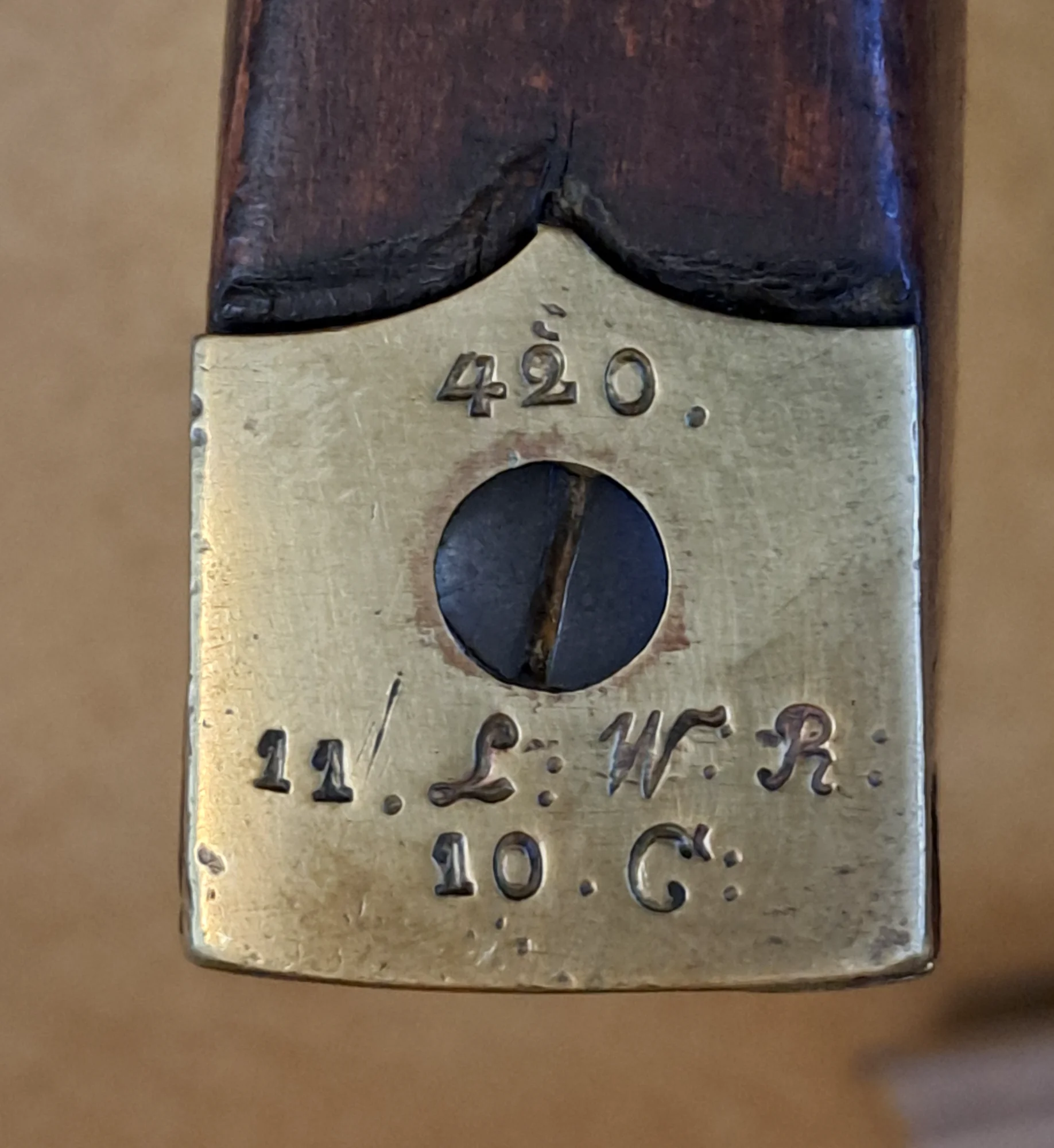
Model 1809 Potzdam Conversion

Baron deKalb

Cadet
Joined
Aug 30, 2024
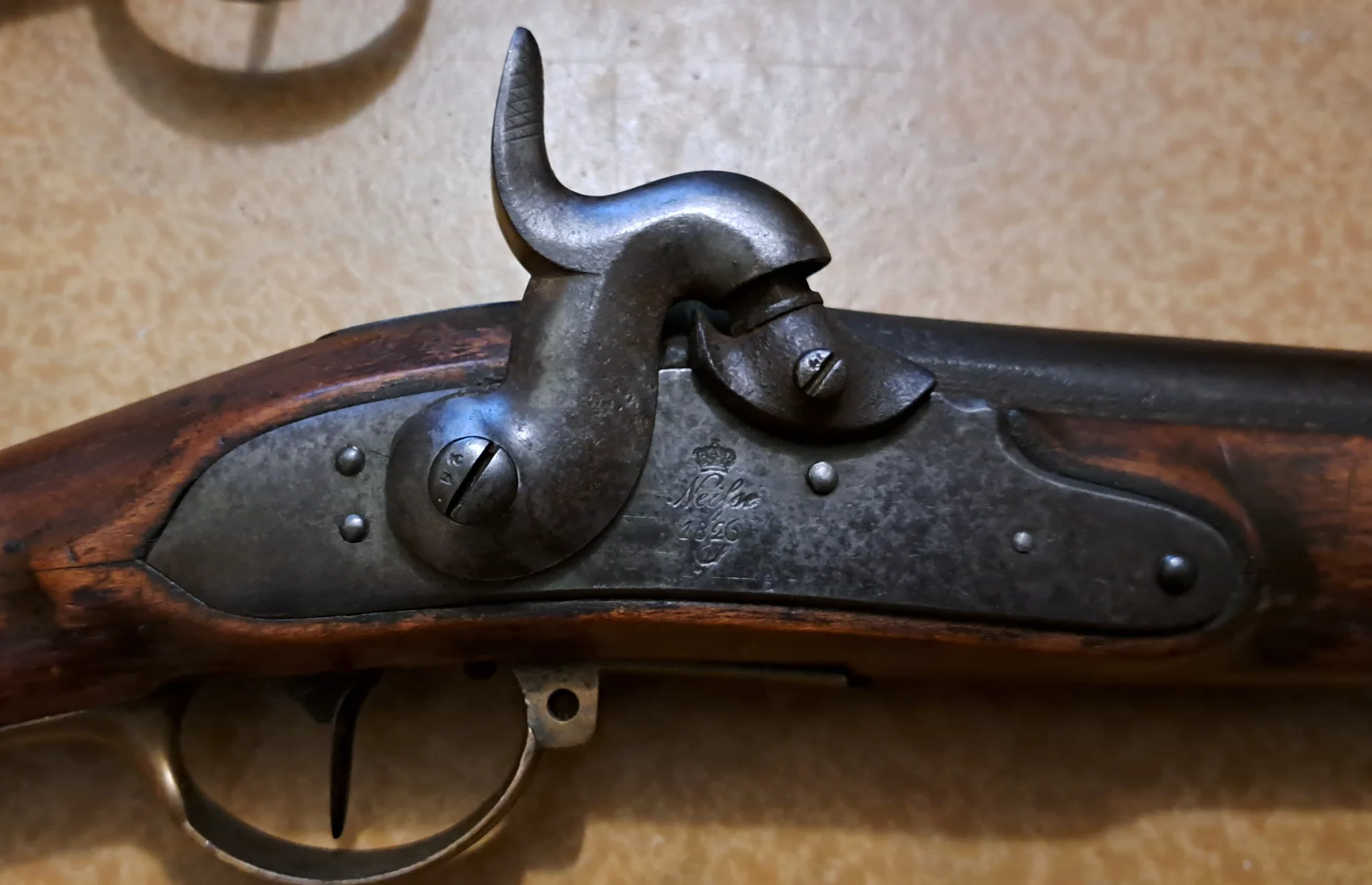
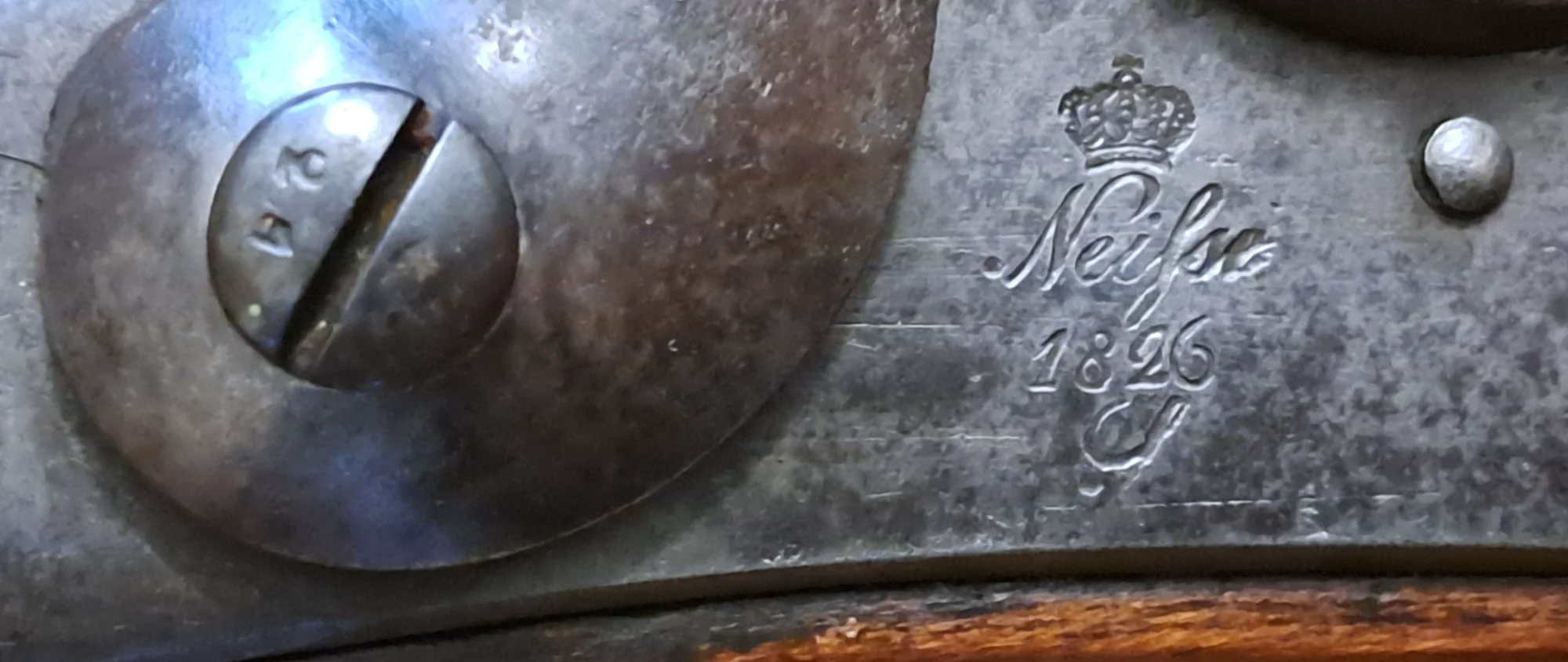
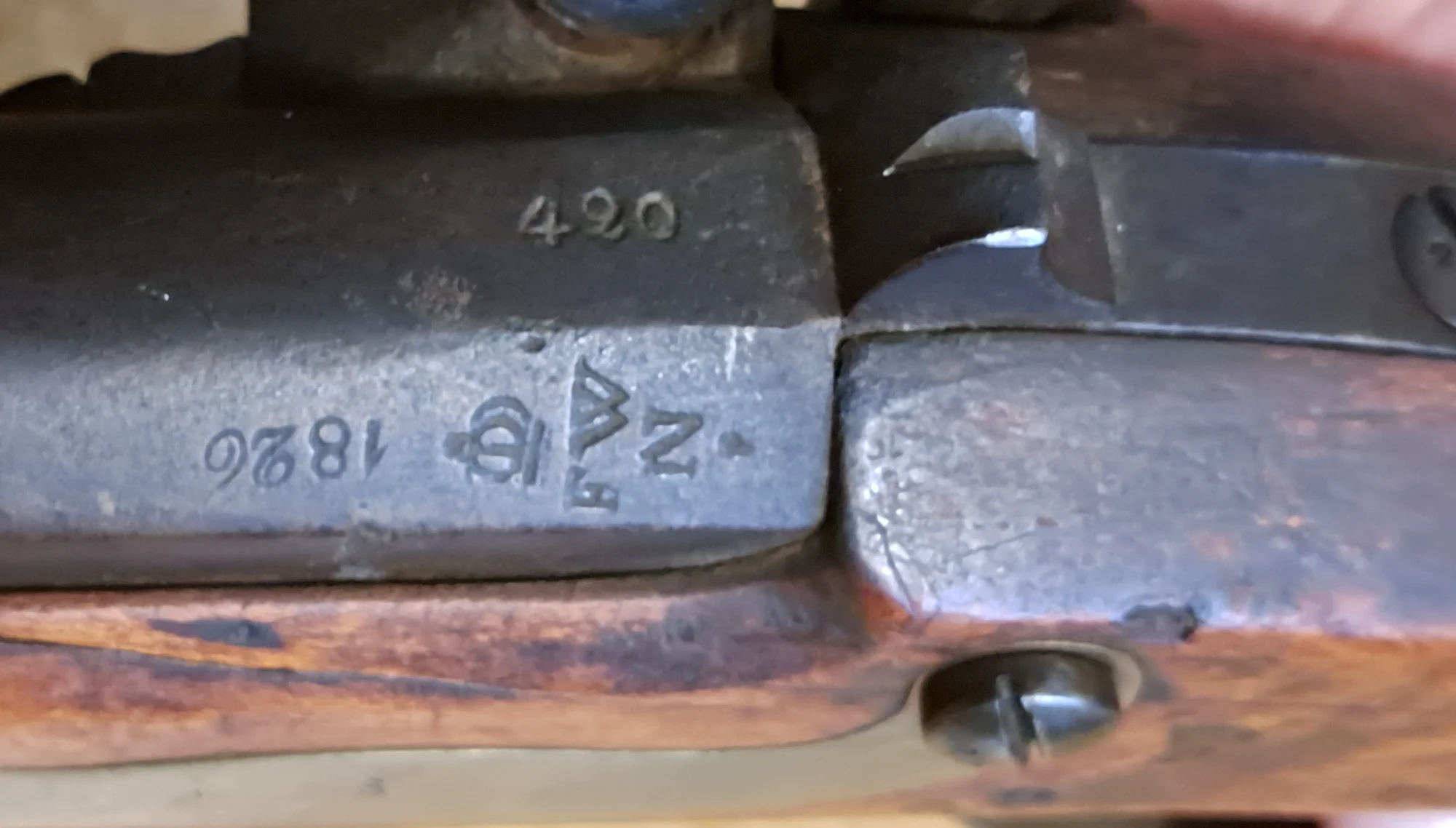
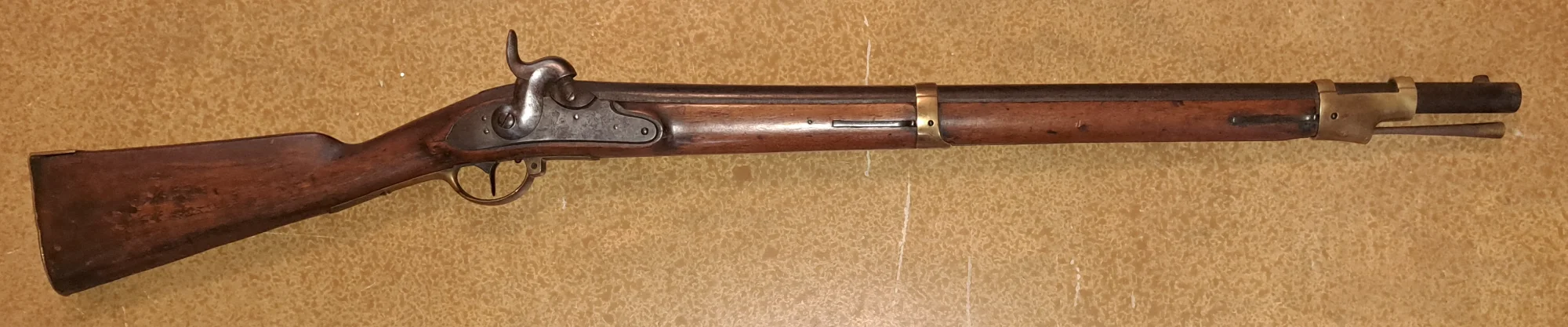
I acquired this with a group of Civil War related import arms. It is a 1826 converted Prussian Model 1809 musket. I have read that both the Union and Confederacy imported thousands of these early in the war. What intrigues me about this one is the possibility that it is a Confederate Macon Conversion shortened for cavalry or artillery use. Any thoughts appreciated.
20260124_090542.webp
20260124_082047.webp
20260124_090632.webp
20260124_090659.webp
20260124_090617.webp
20260124_090707.webp
 
Would shortened arms use a lighter load? If not, does that mean the barrel fouled more quickly because the powder had less time to burn completely before the ball left the barrel? Did carbines use the same cartridges as rifles or muskets to make supply easier?
 
Would shortened arms use a lighter load? If not, does that mean the barrel fouled more quickly because the powder had less time to burn completely before the ball left the barrel? Did carbines use the same cartridges as rifles or muskets to make supply easier?
I have no idea. But these are smoothbore guns, so not as big an issue. I suspect a buck and ball load was common.
 
I've owned a good many shortened muskets, but do not have a good reference to the Macon shortened muskets, and how to identify them. What can you suggest?

As to the recoil of these, when the US rifled the Model 1847 artillery carbines, originally .69 caliber smoothbore, so they would take a heavier minie bullet, weight was added in the form of lead inserted into the butt, in an effort to dampen the heavier recoil caused by the heavier bullet.
These M1809s are so heavy, that likely would not be necessary.
 
I've owned a good many shortened muskets, but do not have a good reference to the Macon shortened muskets, and how to identify them. What can you suggest?

As to the recoil of these, when the US rifled the Model 1847 artillery carbines, originally .69 caliber smoothbore, so they would take a heavier minie bullet, weight was added in the form of lead inserted into the butt, in an effort to dampen the heavier recoil caused by the heavier bullet.
These M1809s are so heavy, that likely would not be necessary.
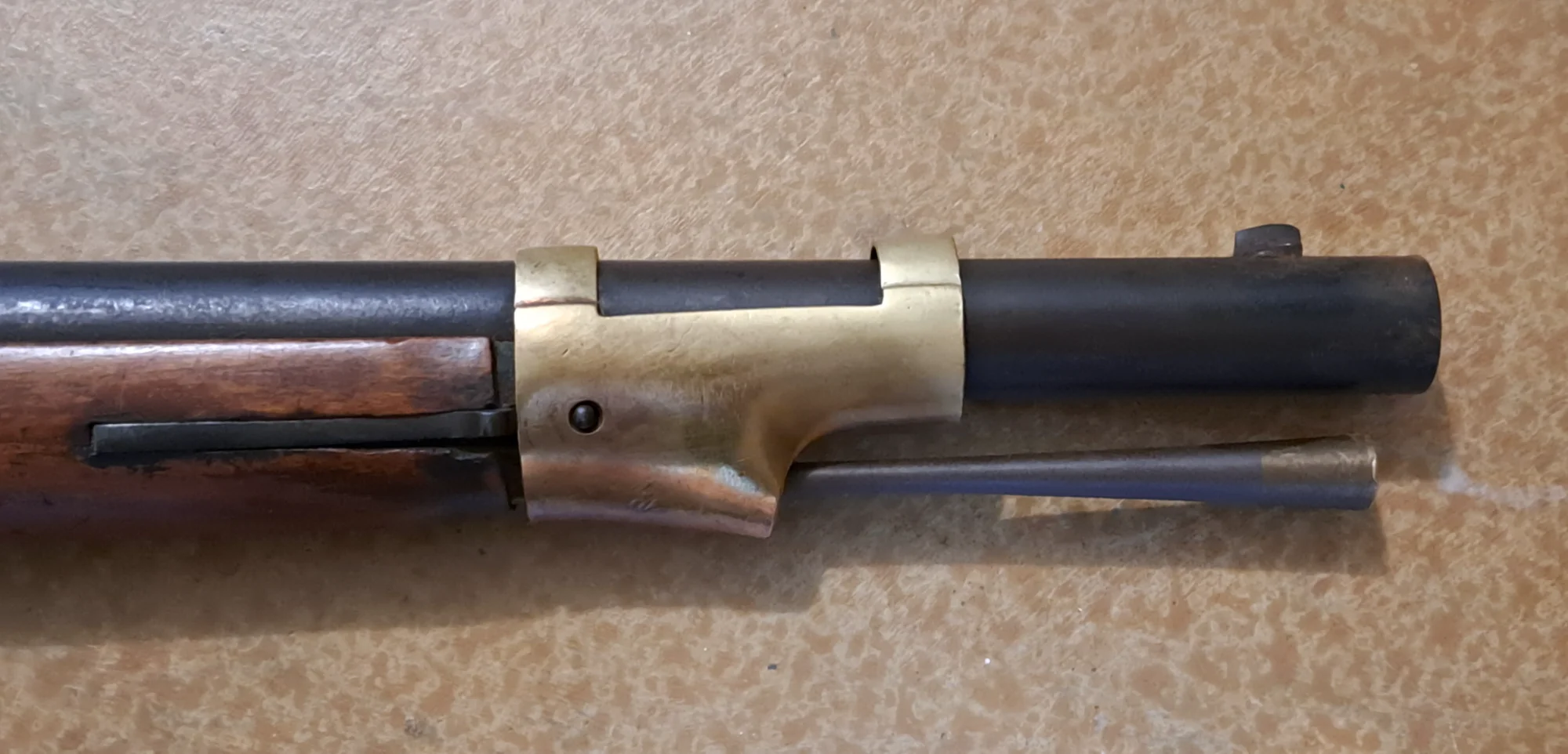
The Macon Conversion is an iffy call. I had a Model 1842 Harper's Ferry that was shortened. Everything looked very professional, including a coned muzzle. Used an 1841 Front barrel band. No markings to indicate Confederacy alteration, but it is my understanding that they generally were not marked.
 
Your picture of the front band is a telling sign to me. In my opinion, the fit of the band and the bandspring to the shortened stock does not show quality workmanship.

A observation: the front sight on Potzdam muskets are on the rear band of the top barrel band. The front sight on your musket has been removed from the band and replaced with a sight on the barrel.
 
Last edited:
Your picture of the front band is a telling sign to me. In my opinion, the fit the band and the bandspring to the shortened stock does not show quality workmanship.

A observation: the front sight on Potzdam muskets are on the rear band of the top barrel band. The front sight on your musket has been removed from the band and replaced with a sight on the barrel.
I had thought of that. But I don't think there were specific "patterns" for conversions. Quality might, on any given day, be affected to meet demand. Think Japanese Last Ditch rifles. But I make no assertions as to whether or not this is a Macon Conversion. There seems to be no authoritative study of them. Even Murphy gives them short shrift in his book.
 
I had thought of that. But I don't think there were specific "patterns" for conversions. Quality might, on any given day, be affected to meet demand. Think Japanese Last Ditch rifles. But I make no assertions as to whether or not this is a Macon Conversion. There seems to be no authoritative study of them. Even Murphy gives them short shrift in his book.
It may well have been shortened AFTER selling on and by a local gunsmith. There are no markings to say when, but who wants a long line infantry musket to go hunting with? That would also explain the new foresight location - more like a shotgun.
 

Learn About Us
About CivilWarTalk
Contact the Webmaster
Meet the Staff
Link to CivilWarTalk
Join Our Community
Register
Browse Forums
View Today's Discussions
Search the Forum
Get Help
FAQ
Student Guide
Forum Rules & Etiquette
Copyright / DMCA

     Contact Us CivilwarTalk on Facebook CivilWarTalk on YouTube CivilWarTalk on Twitter RSS Feed

Bringing the American Civil War and More to Life.
© 1999 - , CIVILWARTALK, LLC - Site Version 10.0

SlaveryTalk.com - SecessionTalk.com - CivilWarTalk.com - ReconstructionTalk.com
Back
Top