
vmicraig
Sergeant
- Joined
- Mar 12, 2018
- Location
- Midlothian, VA
The Kammerbucshe - Civil War Import - a consolidated history
The Muster 1849 (M1849) Augustin Kammerbüchse (Chamber rifle), often referred to as a "Garibaldi" Rifle in Federal Army correspondence during the American Civil War, was an Austrian .713 caliber rifle musket produced with the Augustine Console lock ignition system (also known as the "tube lock" or "pill lock"). It fired one of the first mass produced conical rounds called a Spitzkugel. Appropriately, its heavy steel ramrod had a conical cavity matching the tip of the bullet.
Although the M1849 was an improvement upon the earlier but very similar M1844 Kammerbucshe Chamber rifle, it had a short lifespan and was quickly made obsolete by the production of the vastly popular Muster 1854 System Lorenz (M1854 Lorenz) family of arms just 6 years later in 1855.
The tubelock system on the M1849 was also used on the earlier beechwood-stocked Muster 1844 rifle (M1844), which was nearly identical to the M1849 Kammerbucshe with a few minor exceptions including a different shaped trigger guard, the removal of the barrel bands found on the earlier model, a different bayonet lug and a flat chamber mouth. The M1849 chamber mouth was flat in order to mimic the flat bottom of the conical bullet, whereas the M1844 still fired a round ball, thus the chamber mouth was rounded.
Both Kammerbucshe versions were imported by US purchasing agents during the American Civil War, with a total of 26,201 "Austrian rifles" or "Garibaldi's" officially received by US ordnance officials. The lot was primarily composed of the M1849 Kammerbuchse rifle, but in addition to the M1849, the Austrian import also included smaller quantities of the earlier M1844 variant. It is believed the purchases of the similar looking models were likely lumped together in US Ordnance records, with the M1849 making up 95% of the total rifles received. Smaller numbers of .71 caliber Model 1851 Cavalry Carbines (the Muster 1851 Kammercarabiner) and a few other models including M1844/60 Piedmontese muskets also found their way into the US through federal acquisitions.
The majority of the early Austrian imports would go on to see service in the Western theater of the war, many with state militia units, particularly Wisconsin and Missouri, being equipped with them whereas the far-more successful Lorenz rifles imported during the war (≈226,924 Union and ≈100,000 confederate) would see vast service by both sides in the conflict up and down the east coast.
As for the generic "Garibaldi" identification of the rifle in US ordnance records, it seems US ordnance officials made no distinction between the two "Kammerbuchse" variants and even other Austrian models and simply lumped them all together when inventoried. Some officials simply referred to them as "Garibaldi" rifles due to their use by Garibaldi's troops during the Second Italian War of Independence, and today referred to by collectors with a slew of monikers, including Garibaldi's, Prussian Rifles, Kammarbuchse's and even Jaeger rifles.
A product of Ferdinand Fruwirth of Vienna, Austria, the Kammerbuchse was only in service for a short period of time before it was made obsolete by the adoption of the Muster 1854 rifle-musket, known world-wide as the "Lorenz Rifle". Only the Muster 1854 Lorenz was considered a "successful" import by the common soldier, as the older Augustin Kammerbuchse rifles were poorly converted to the American percussion system and worse, came with no ready supply of ammunition made specifically for the massive .71 caliber weapons. Forced to use a undersized .69 roundball with extra wadding created poor seals and underperformed, thus the Kammerbuchse was widely regarded as one of the worst imports received by American troops during the war.
The rifle was built with a combination of hand and machine labor, in better quality than most class 2 Enfield rifle muskets. It had a 33.3" long barrel and had a 18.1mm bore (about .71 caliber) with 12 right hand grooves. Prior to their import to the US, the majority of the Kammerbuches had already been altered to percussion weapons in Liege with a varied degree of quality control. Sadly, Belgians did not required proof testing of military arms built elsewhere and were merely being converted in Belgium. Consequently, some Belgian conversions did not achieve the level of quality or get the level of inspection that they should have before being shipped across the Atlantic. The resulting scandal caused the Belgians to enact much more stringent proof laws in 1864, but damaged the reputation of the Belgian arms industry for years after in America. This applied to all of the Belgian conversions, not just the Kammerbuchsen.
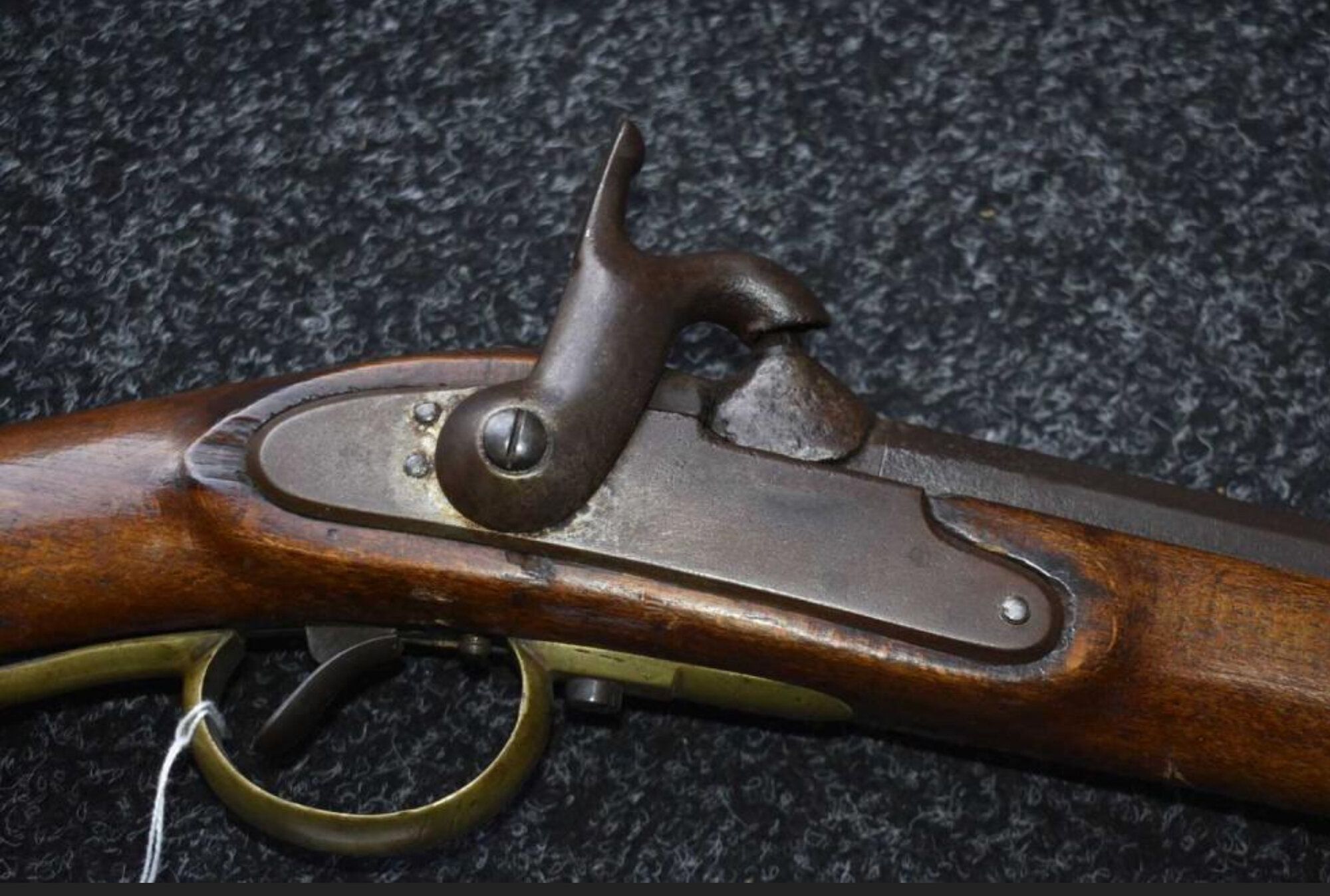
For the bulk of the imports, however, and in an effort to rid themselves of older obsolete weaponry quickly and for profit, the majority of the weapons sold to the US were altered using the cheaper 'lump-of-metal" or braised bolster transformation to percussion typically found on Kammerbuchsen. The simple "lump-of-metal" transformation was a Piedmontese Army design that was made after the rifle left Austrian service in the Kingdom of Piedmont-Sardinia (possibly) or more likely, in Liege, Belgium. The technique was initially developed circa 1851 by the Piedmontese to transform approximately 2,000 M1844 Augustin smoothbores they had captured from the Austrians in the 1st Italian War of Independence to percussion to arm their reserve forces.
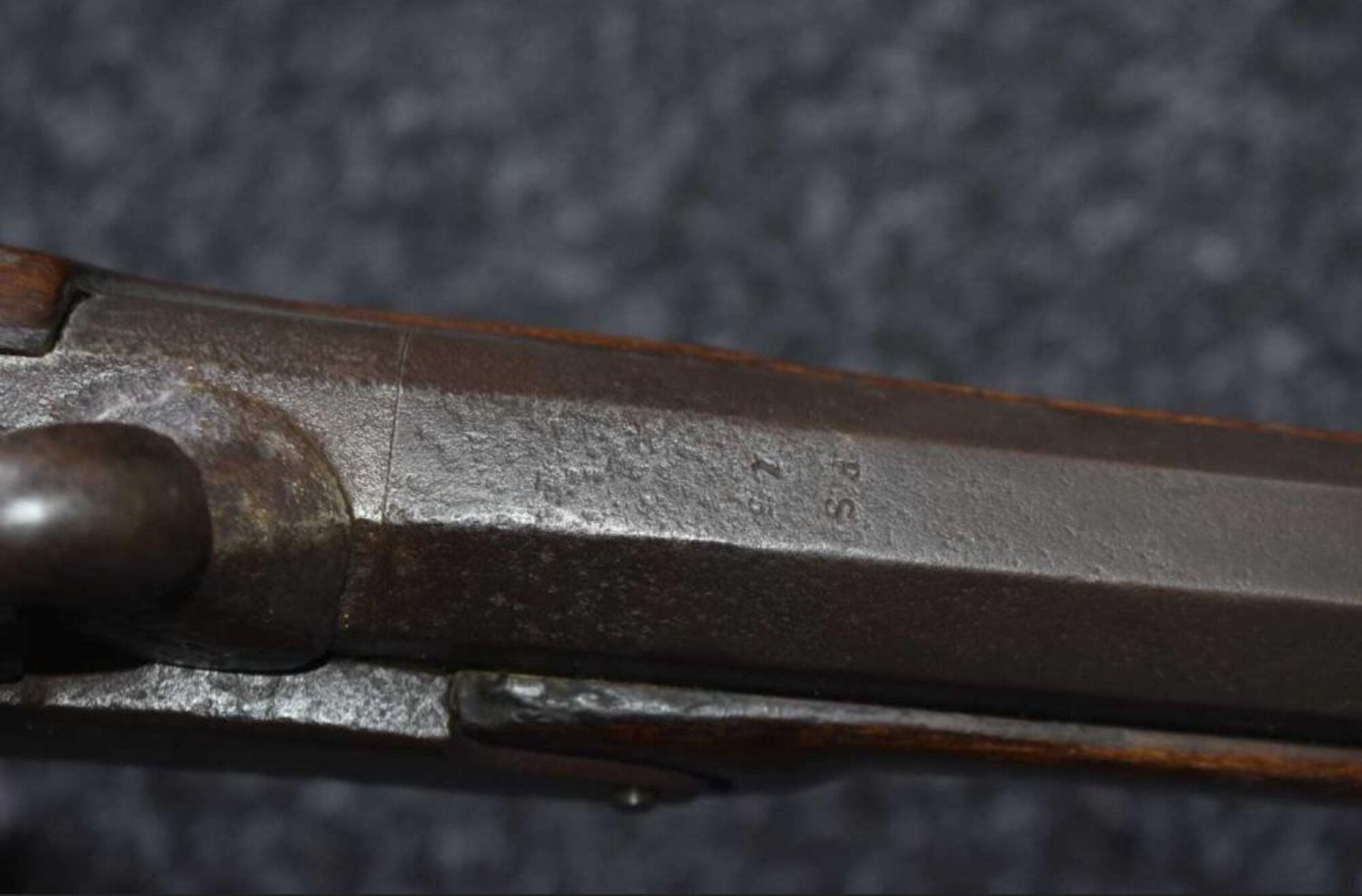
The Belgians did not proof the weapons after their transformation, so there are no Belgian proof marks. The Kammerbuchse imports can be found with several differing lockplate styles and widely varying "lump-of-metal / braised bolster cones" of different shape and diameter. The lockplates differ because the transformations were done by multiple arms houses in Liege. Very few Kammerbucshen were received by US with the original Augsutin Console tubelock system intact, and of those converted by a US gunmaker or contractor, it's believed that all received proper drum bolsters, new lockplates and hammers.
***The info provided above was consolidated from multiple online resources with the majority attributed the incredible reference book European Arms in the Civil War; YouTuber "Capandball," and obviously, the research of member @Don Dixon, a premier subject matter expert on the subject of Austrian weaponry

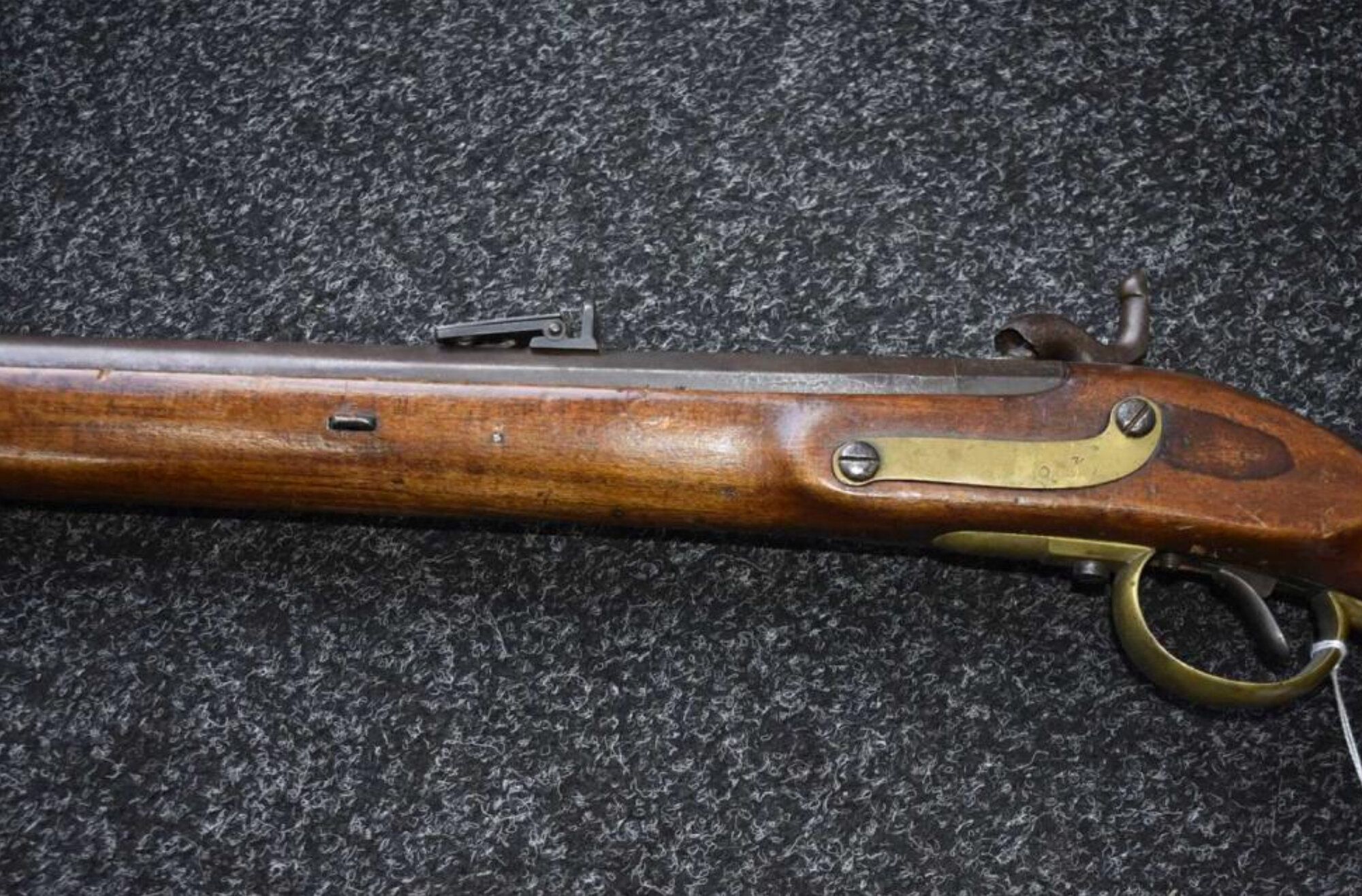
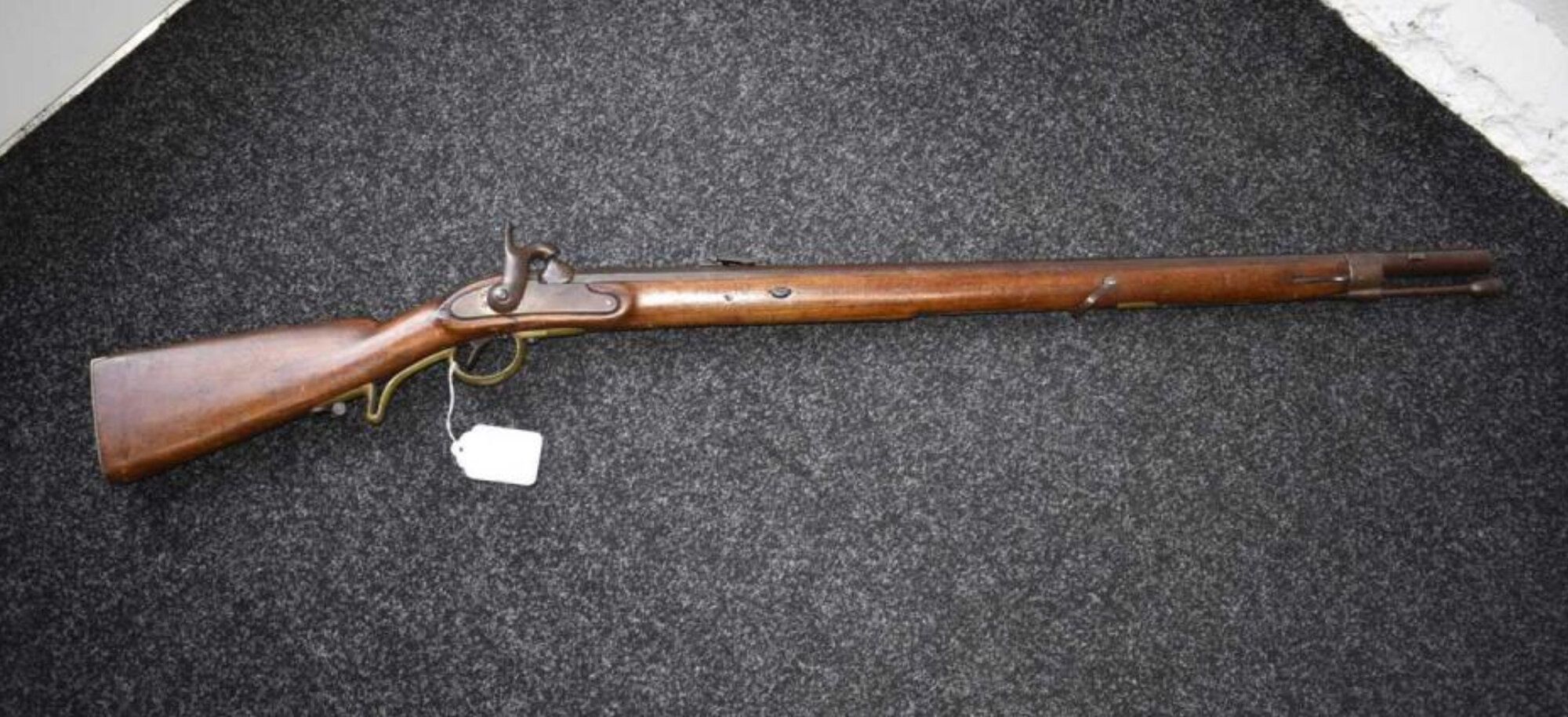
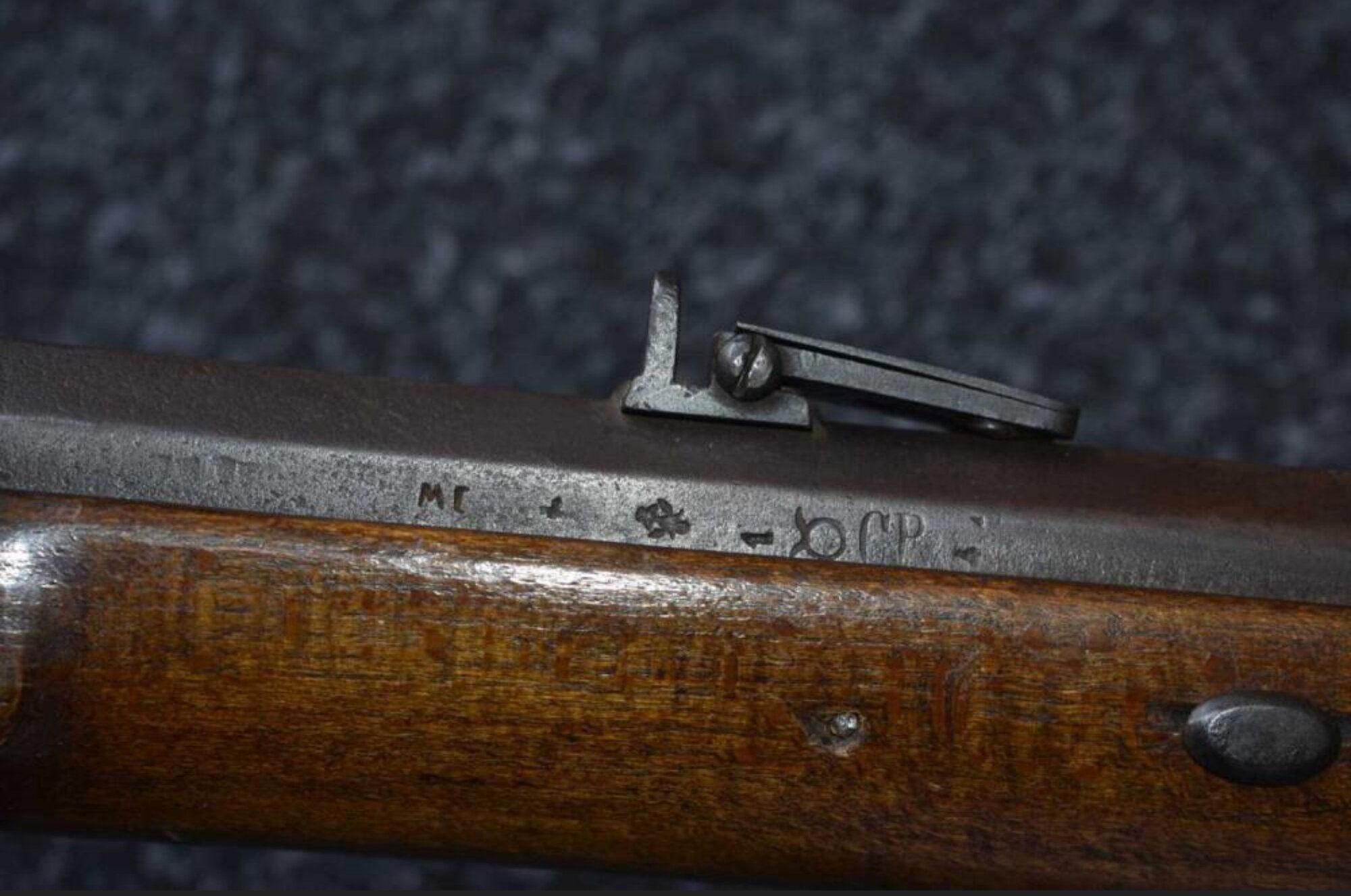
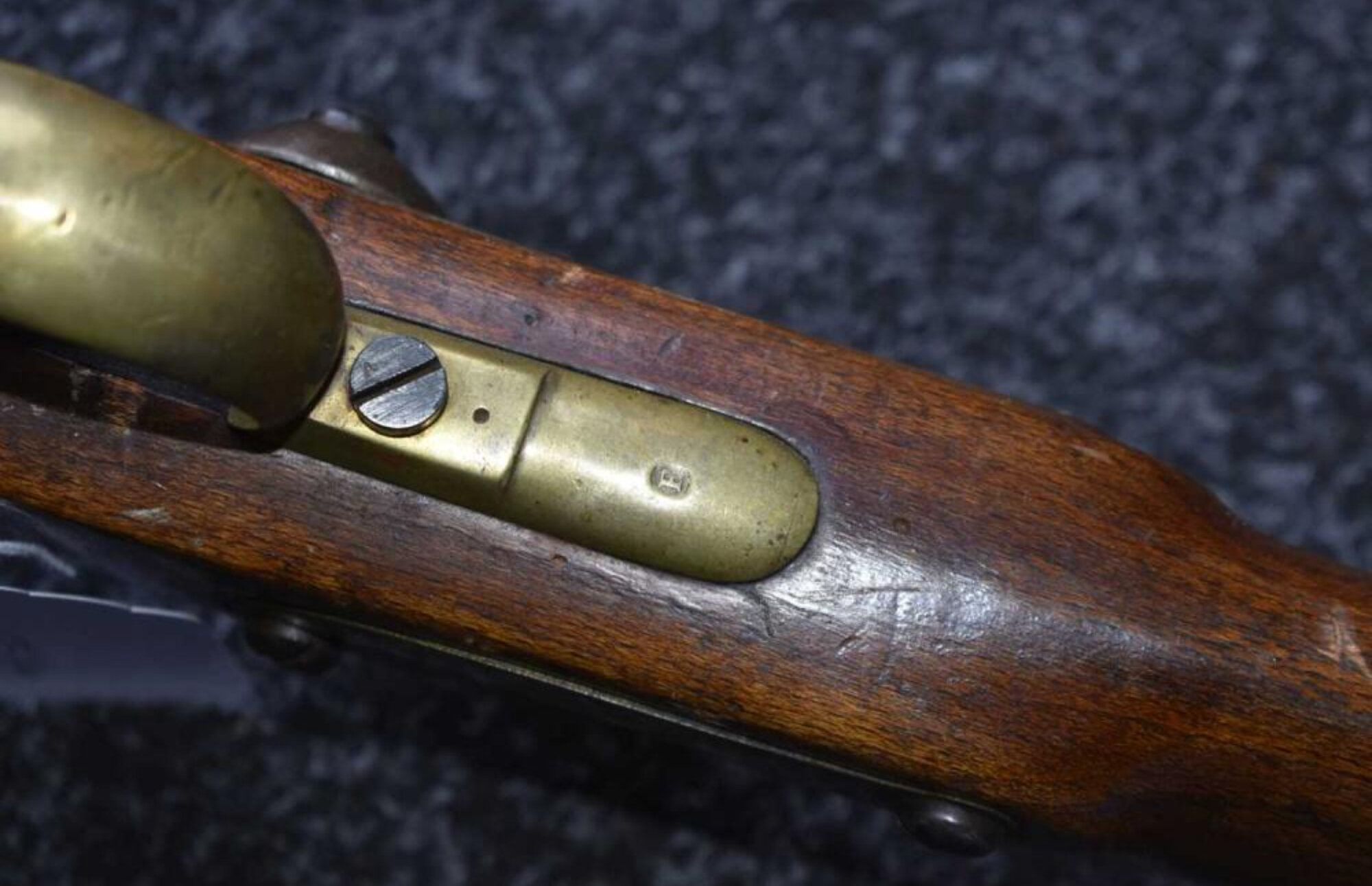
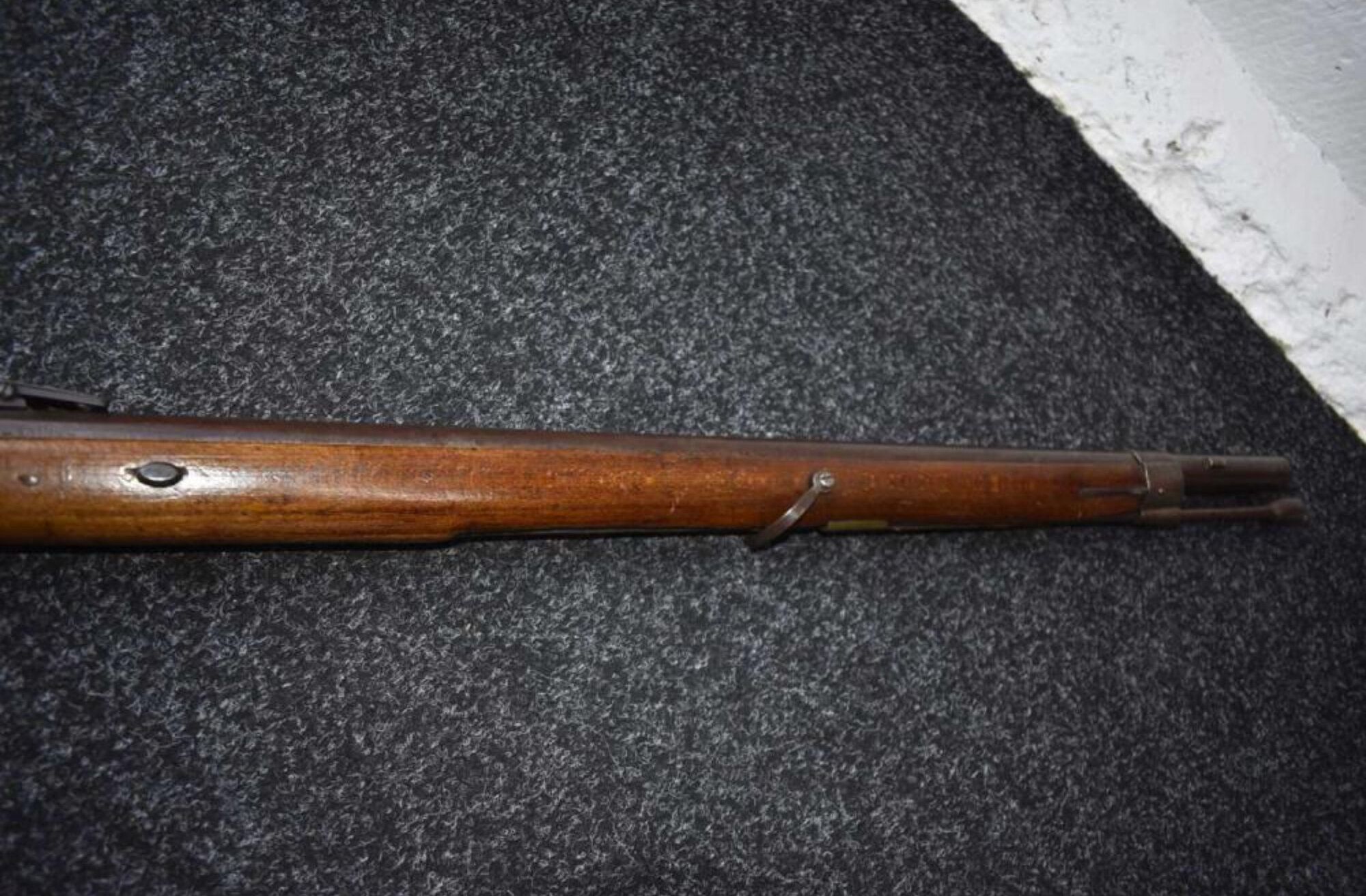
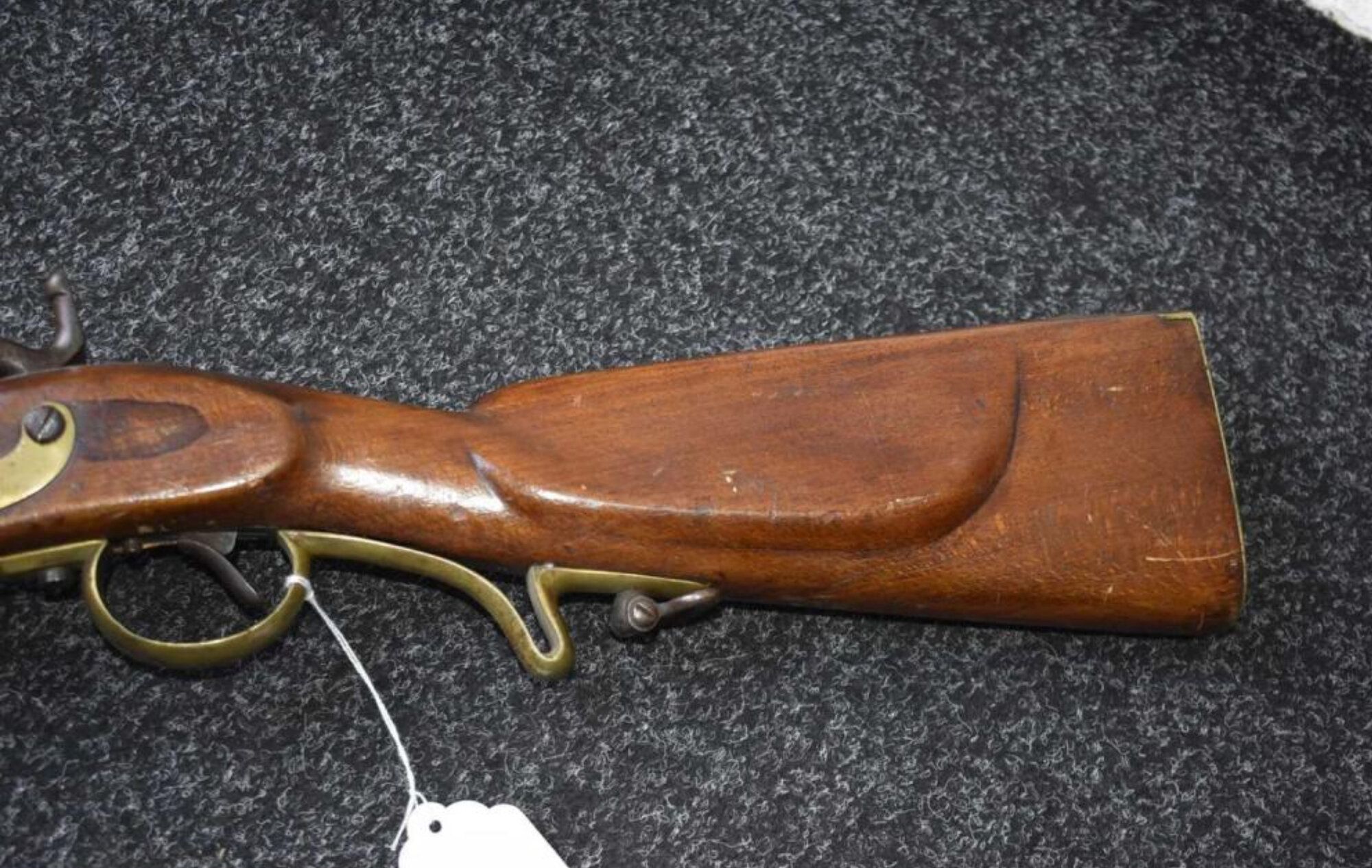
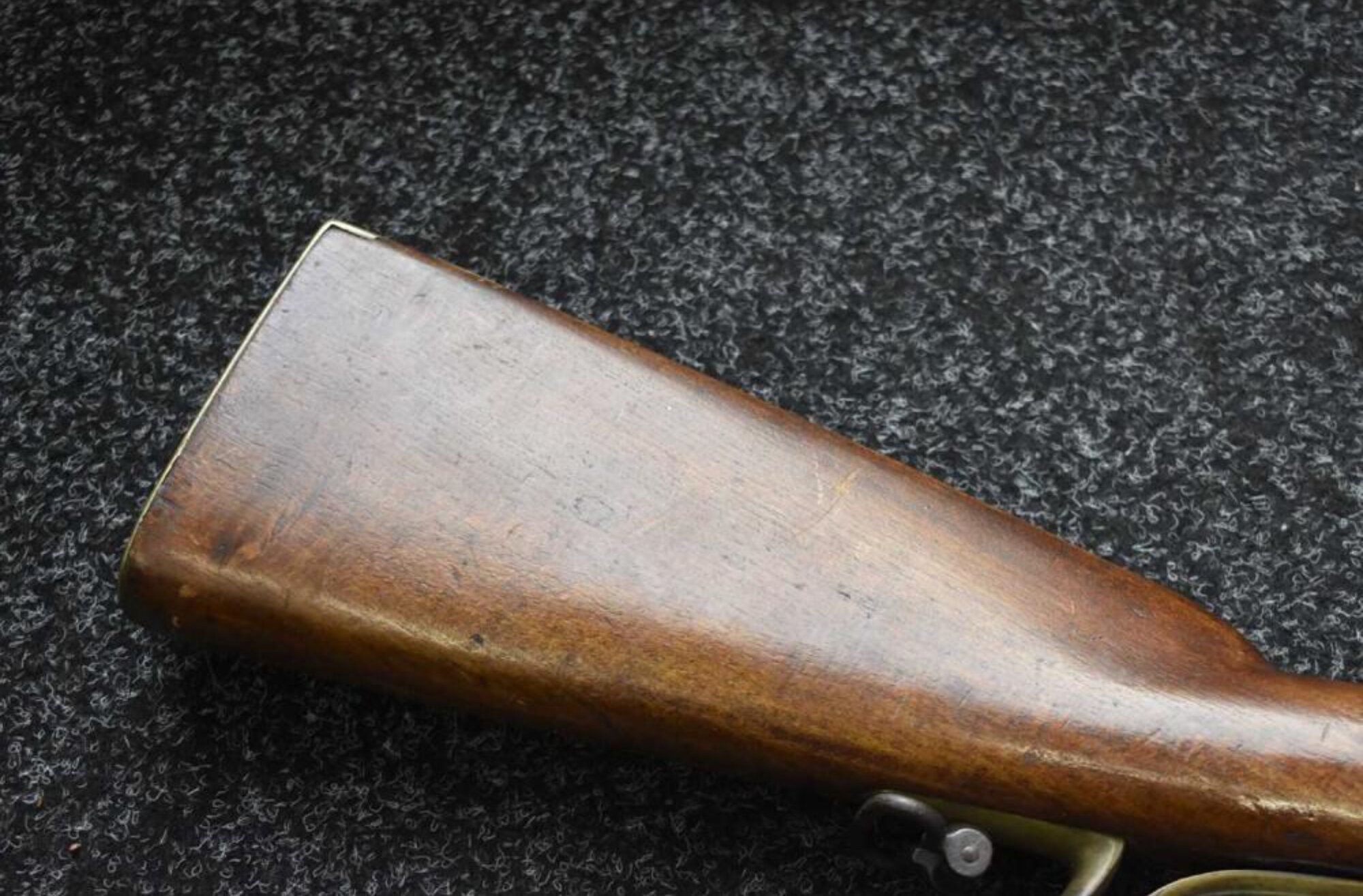
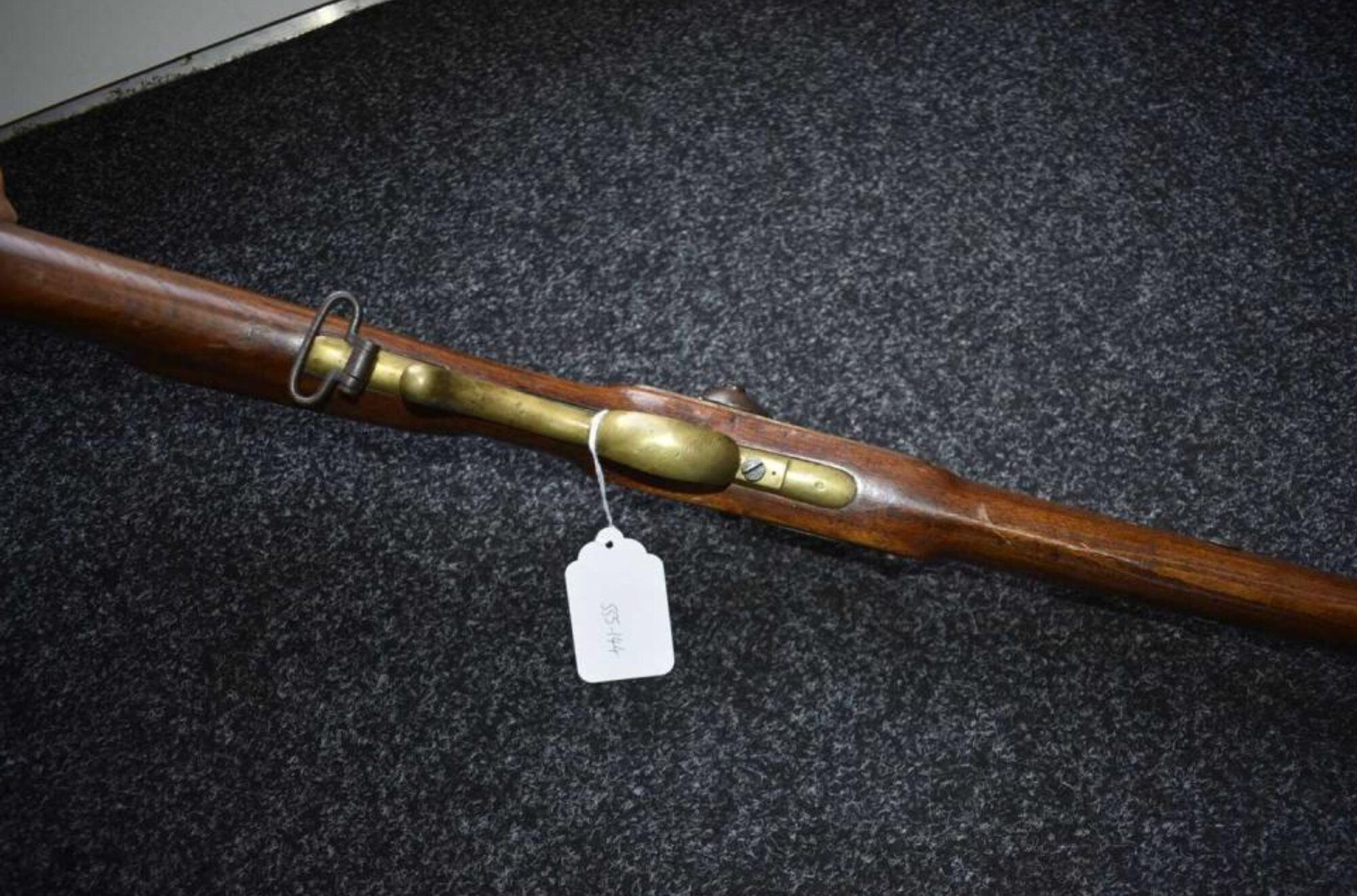
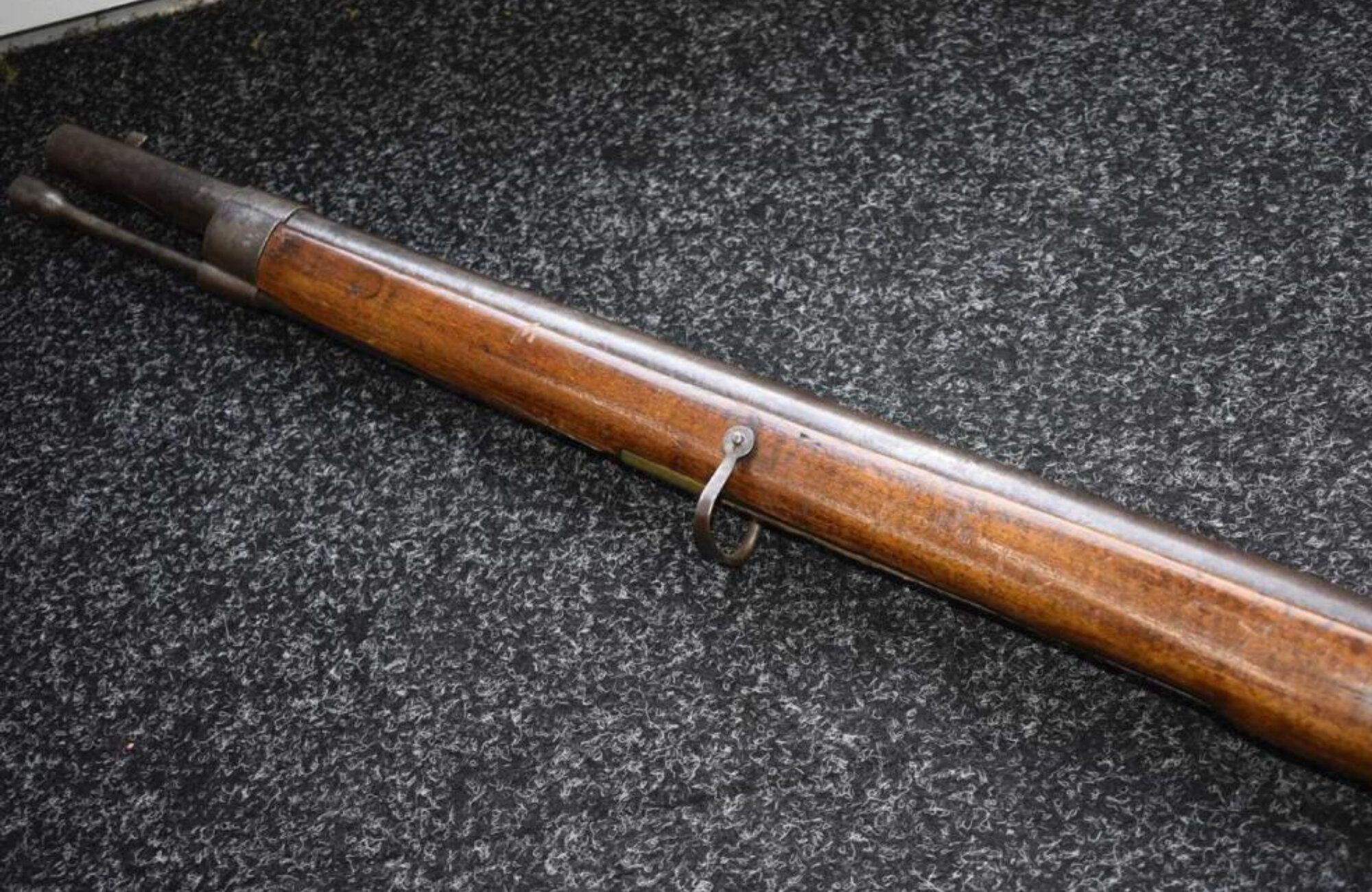
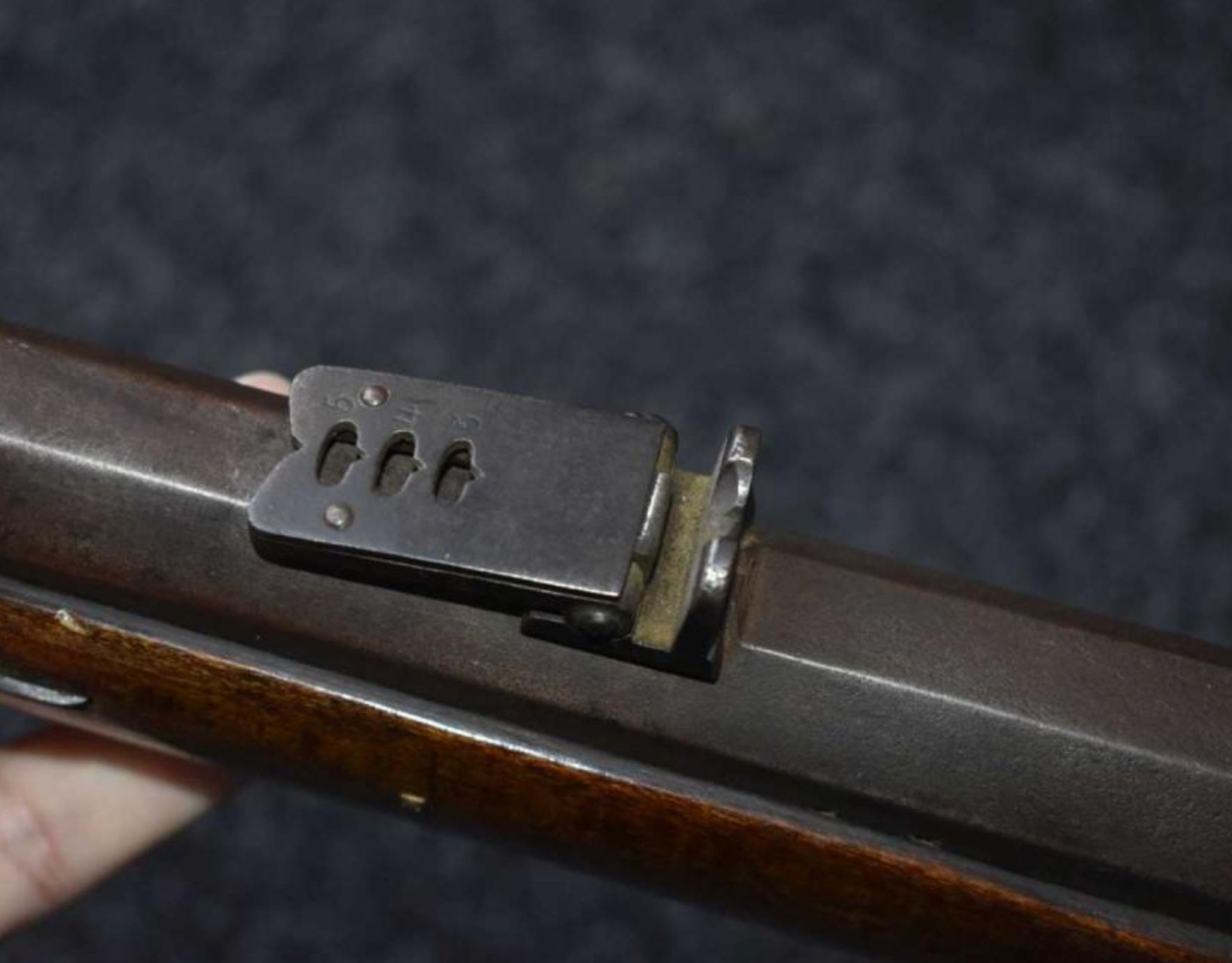
The Muster 1849 (M1849) Augustin Kammerbüchse (Chamber rifle), often referred to as a "Garibaldi" Rifle in Federal Army correspondence during the American Civil War, was an Austrian .713 caliber rifle musket produced with the Augustine Console lock ignition system (also known as the "tube lock" or "pill lock"). It fired one of the first mass produced conical rounds called a Spitzkugel. Appropriately, its heavy steel ramrod had a conical cavity matching the tip of the bullet.
Although the M1849 was an improvement upon the earlier but very similar M1844 Kammerbucshe Chamber rifle, it had a short lifespan and was quickly made obsolete by the production of the vastly popular Muster 1854 System Lorenz (M1854 Lorenz) family of arms just 6 years later in 1855.
The tubelock system on the M1849 was also used on the earlier beechwood-stocked Muster 1844 rifle (M1844), which was nearly identical to the M1849 Kammerbucshe with a few minor exceptions including a different shaped trigger guard, the removal of the barrel bands found on the earlier model, a different bayonet lug and a flat chamber mouth. The M1849 chamber mouth was flat in order to mimic the flat bottom of the conical bullet, whereas the M1844 still fired a round ball, thus the chamber mouth was rounded.
Both Kammerbucshe versions were imported by US purchasing agents during the American Civil War, with a total of 26,201 "Austrian rifles" or "Garibaldi's" officially received by US ordnance officials. The lot was primarily composed of the M1849 Kammerbuchse rifle, but in addition to the M1849, the Austrian import also included smaller quantities of the earlier M1844 variant. It is believed the purchases of the similar looking models were likely lumped together in US Ordnance records, with the M1849 making up 95% of the total rifles received. Smaller numbers of .71 caliber Model 1851 Cavalry Carbines (the Muster 1851 Kammercarabiner) and a few other models including M1844/60 Piedmontese muskets also found their way into the US through federal acquisitions.
The majority of the early Austrian imports would go on to see service in the Western theater of the war, many with state militia units, particularly Wisconsin and Missouri, being equipped with them whereas the far-more successful Lorenz rifles imported during the war (≈226,924 Union and ≈100,000 confederate) would see vast service by both sides in the conflict up and down the east coast.
As for the generic "Garibaldi" identification of the rifle in US ordnance records, it seems US ordnance officials made no distinction between the two "Kammerbuchse" variants and even other Austrian models and simply lumped them all together when inventoried. Some officials simply referred to them as "Garibaldi" rifles due to their use by Garibaldi's troops during the Second Italian War of Independence, and today referred to by collectors with a slew of monikers, including Garibaldi's, Prussian Rifles, Kammarbuchse's and even Jaeger rifles.
A product of Ferdinand Fruwirth of Vienna, Austria, the Kammerbuchse was only in service for a short period of time before it was made obsolete by the adoption of the Muster 1854 rifle-musket, known world-wide as the "Lorenz Rifle". Only the Muster 1854 Lorenz was considered a "successful" import by the common soldier, as the older Augustin Kammerbuchse rifles were poorly converted to the American percussion system and worse, came with no ready supply of ammunition made specifically for the massive .71 caliber weapons. Forced to use a undersized .69 roundball with extra wadding created poor seals and underperformed, thus the Kammerbuchse was widely regarded as one of the worst imports received by American troops during the war.
The rifle was built with a combination of hand and machine labor, in better quality than most class 2 Enfield rifle muskets. It had a 33.3" long barrel and had a 18.1mm bore (about .71 caliber) with 12 right hand grooves. Prior to their import to the US, the majority of the Kammerbuches had already been altered to percussion weapons in Liege with a varied degree of quality control. Sadly, Belgians did not required proof testing of military arms built elsewhere and were merely being converted in Belgium. Consequently, some Belgian conversions did not achieve the level of quality or get the level of inspection that they should have before being shipped across the Atlantic. The resulting scandal caused the Belgians to enact much more stringent proof laws in 1864, but damaged the reputation of the Belgian arms industry for years after in America. This applied to all of the Belgian conversions, not just the Kammerbuchsen.
For the bulk of the imports, however, and in an effort to rid themselves of older obsolete weaponry quickly and for profit, the majority of the weapons sold to the US were altered using the cheaper 'lump-of-metal" or braised bolster transformation to percussion typically found on Kammerbuchsen. The simple "lump-of-metal" transformation was a Piedmontese Army design that was made after the rifle left Austrian service in the Kingdom of Piedmont-Sardinia (possibly) or more likely, in Liege, Belgium. The technique was initially developed circa 1851 by the Piedmontese to transform approximately 2,000 M1844 Augustin smoothbores they had captured from the Austrians in the 1st Italian War of Independence to percussion to arm their reserve forces.
The Belgians did not proof the weapons after their transformation, so there are no Belgian proof marks. The Kammerbuchse imports can be found with several differing lockplate styles and widely varying "lump-of-metal / braised bolster cones" of different shape and diameter. The lockplates differ because the transformations were done by multiple arms houses in Liege. Very few Kammerbucshen were received by US with the original Augsutin Console tubelock system intact, and of those converted by a US gunmaker or contractor, it's believed that all received proper drum bolsters, new lockplates and hammers.
***The info provided above was consolidated from multiple online resources with the majority attributed the incredible reference book European Arms in the Civil War; YouTuber "Capandball," and obviously, the research of member @Don Dixon, a premier subject matter expert on the subject of Austrian weaponry


 Bringing the