- Joined
- Nov 26, 2016
- Location
- central NC
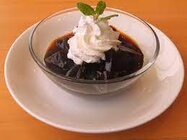
Most of us are used to having our coffee as a liquid rather than a solid. But in Victorian times that wasn't always the case. Our Victorian friends really liked coffee jelly. Recipes for this popular dessert date back to the early 1800s. One recipe, from an 1836 issue of New York's Lady's Book magazine, told readers to mix coffee with the gelatin produced by boiling a calf's foot. With cream and sugar, it became an elegant dessert. Gelatin, for much of the 19th century, was a luxury, requiring boiled animal parts and a cool enough spot to allow it to set. A platter of shimmering coffee jelly, turned out of a decorated mold and served with a cream sauce, would have dinner guests raving about their hostess.
Megan Elias, a food historian who studies American cuisine at Boston University, noted gelatin in general became a huge trend during the late 19th century and early 20th century. She says, "Jellies became popular when powdered gelatin entered the market but even more popular when electric refrigerators enabled people to keep their jellies cool." Gelatin, including coffee-flavored, gained a reputation for being especially good food for the sick. At one point, The Lancet, an English medical journal, recommended coffee jelly as an after-dinner antidote to too much alcohol.
Coffee Jelly - makes five half-cup servings
Ingredients:
One .25-ounce envelope of plain powdered gelatin
1/2 cup cold water
2 cups hot coffee, either fresh or heated up
⅓ cup sugar
Whipped cream or sweetened condensed milk, for serving
Directions:
1. In a heat-safe bowl, add the powdered gelatin to the cold water, and let it sit for a minute or two. Then, mix until the grainy liquid is mostly smooth.
2. Add the coffee and stir, ensuring that the gelatin granules all dissolve. Then, mix in the sugar, again making sure that it dissolves completely.
3. Divide the mixture into five small ramekins, or even teacups. Put them in the fridge to set, for at least two hours.
4. Serve the coffee jelly with whipped cream or a healthy drizzle of sweetened condensed milk.
Megan Elias, a food historian who studies American cuisine at Boston University, noted gelatin in general became a huge trend during the late 19th century and early 20th century. She says, "Jellies became popular when powdered gelatin entered the market but even more popular when electric refrigerators enabled people to keep their jellies cool." Gelatin, including coffee-flavored, gained a reputation for being especially good food for the sick. At one point, The Lancet, an English medical journal, recommended coffee jelly as an after-dinner antidote to too much alcohol.
Coffee Jelly - makes five half-cup servings
Ingredients:
One .25-ounce envelope of plain powdered gelatin
1/2 cup cold water
2 cups hot coffee, either fresh or heated up
⅓ cup sugar
Whipped cream or sweetened condensed milk, for serving
Directions:
1. In a heat-safe bowl, add the powdered gelatin to the cold water, and let it sit for a minute or two. Then, mix until the grainy liquid is mostly smooth.
2. Add the coffee and stir, ensuring that the gelatin granules all dissolve. Then, mix in the sugar, again making sure that it dissolves completely.
3. Divide the mixture into five small ramekins, or even teacups. Put them in the fridge to set, for at least two hours.
4. Serve the coffee jelly with whipped cream or a healthy drizzle of sweetened condensed milk.
Last edited:
