Nobody can say for sure without I suppose, carbon dating or somesuch or if you are a Cobbler

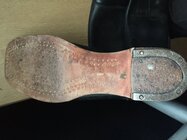
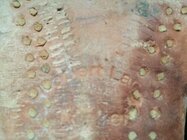
Thing is, the fellow may have had the boots issued at war's end, was mustered out in them and wore them home. You know how some of us fellers are 'partickler', your man may have loved his boots and wore them and had them repaired after the war.
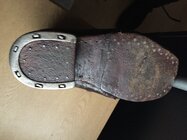
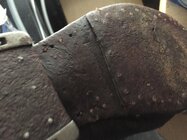
Some of my trash pit brogans have repairs to the soles as do a pair that came from the Brooklyn Navy Yard; while on campaign, it was difficult to obtain footwear and most regiments had a proficient cobbler or two from civilian life to help with repair. A regiment was composed of all kinds of talent from the locale they were from, barbers, mechanics (mostly carriage), cobblers, apothecarist
, farmers, you name it, a regiment was a homogenous unit. When a skill was lacking, there was invariably someone set up within the battalion, to provide the service, if not, sutlers, came into play.
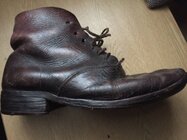
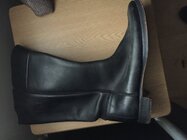
Much caution needs to be exhibited in this venue of collecting, this is similar to slouch hat collecting, there were 16 million military age males during the war, but only 1/4 of those participated. Hats and shoes are considered civilian until proven by military indication (military specification), firm attribution (name in sweatband), evidence of insignia (currently on piece or shadow of). Then you have to deal with recreations, slouch hats are easier to delineate than brogans, due to the material composition and sewing styles, brogans are the hardest to ascertain. Generally the leather on period Federal brogan uppers are fairly thin, as compared to today's recreations. Brogans would wear out rather quickly on campaign 3-6 months, while recreators don't need the hassle of disgruntled customers, so the leather is fairly sturdy, thus my brogan lasting 20 years.
Real Brogans are rare due to their utilitarian aspect and low appeal on the preservation and interest front of the veteran. Very much like haversacks, they got smelly and wore out after a while and momma tossed them. Keep in mind that many returning soldiers came home to a rural life and wore their undergarments, brogans and trousers until they couldn't be worn any longer. There was no a trash pickup for those outside the city and they were tossed into the backyard pit for burning or burial.






 Bringing the