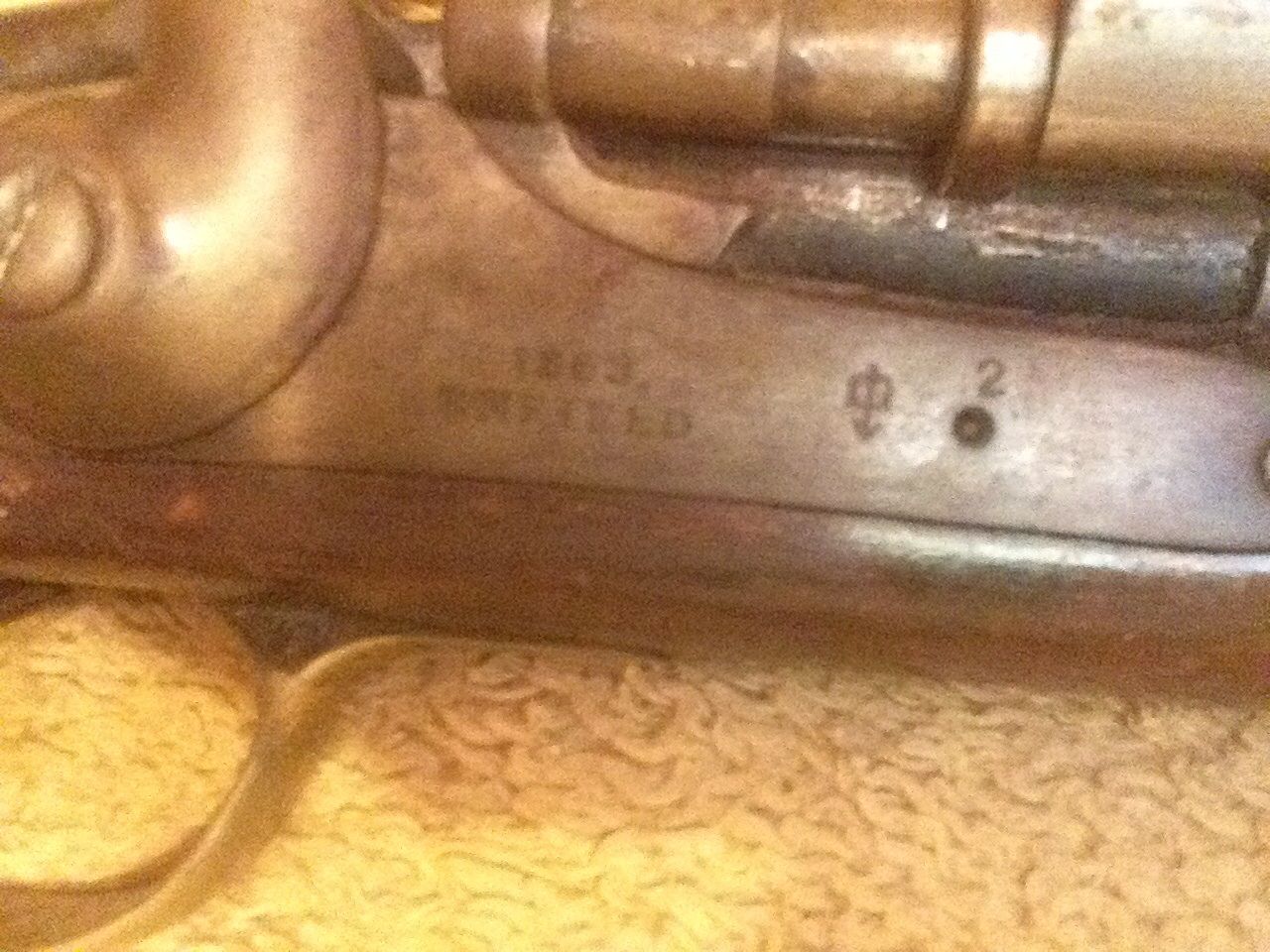
The breech is marked that would imply this is a Snider Mk-I. These and the Mk-II were typically conversions of existing stocks of muzzle loading arms. Converted over to the newer Snider breech loading configuration. These also tend to be a bit difficult to nail down specific details of the weapon in question since many of these were re-assembled using mix matched parts. May have a lock plate of one date and/or armory maker marking... the stock cartouche may have something entirely different. So not totally rare to discover that the barrel and receiver, may have a different armory maker than other parts of the same weapon. Tends to be complex at times when you know you might have a hodge-podge mixed up assortment of component parts to start with, to try to figure out. The latter Mk-III were normally manufactured in the Snider form, so should have all matching/marked parts..
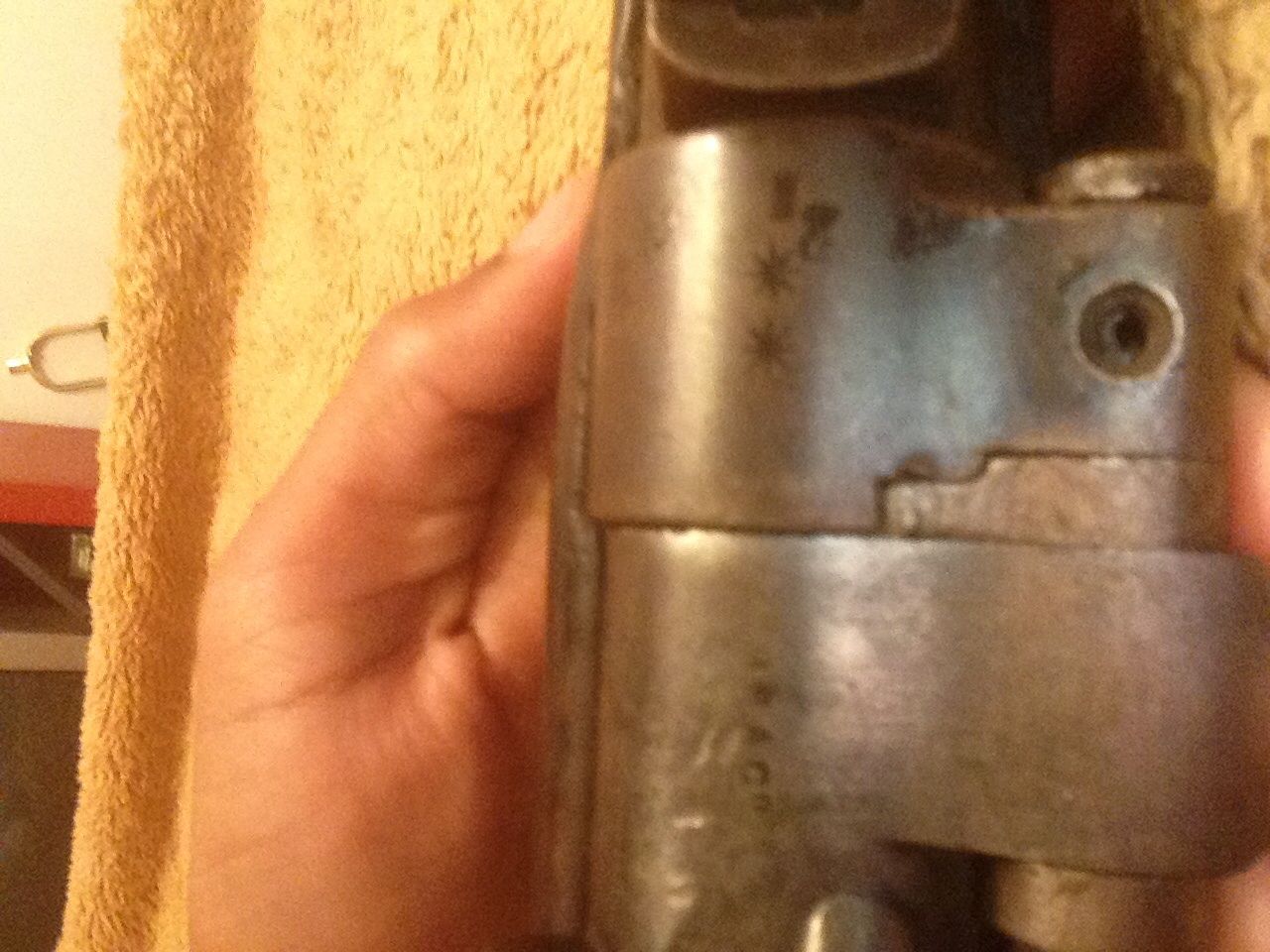
Brit weapons naturally tend to have hoards of assorted markings and stampings that some still puzzle the experts. Many of the respective small inspector stamps with have a crown, and a letter underneath... and many times a number under that... The "Letter" generally indicates the respective armory... the number the ID of that given inspector.. One can use this data to reasonably determine which armory that given part should have been made at...
Many of the weapons saw service in many different areas and countries... Most initially with various British colony forces.. then commonly sold, or traded off to others over the decades. Hence might also find latter service markings on them that just don't fit into anything known of British arms... some repaired, and altered to retain service life by less than professional armory means... so sometimes find goofy parts and items attached that don't help the research endeavor.
Also considering the known Afghan copies, that are intended to fake and replicate the original, including forging Brit inspector stamps and markings to sell off to novice US service personal at the prior Afghan Bazaar markets... These are also found laden with stampings... but... one indicator is that these frequently are found with armory and inspector stampings that are of different armories and time frames that normally are not found grouped together on the same part or same weapon...
The "2" stamping on the breech normally indicates that it was at some point deemed a second class arm... minor issues that prevented it from being or retained as primary use weapon... but still serviceable enough for reserves or distant colony stocks. The stock marking is a mystery, haven't seen that one before.




 Bringing the