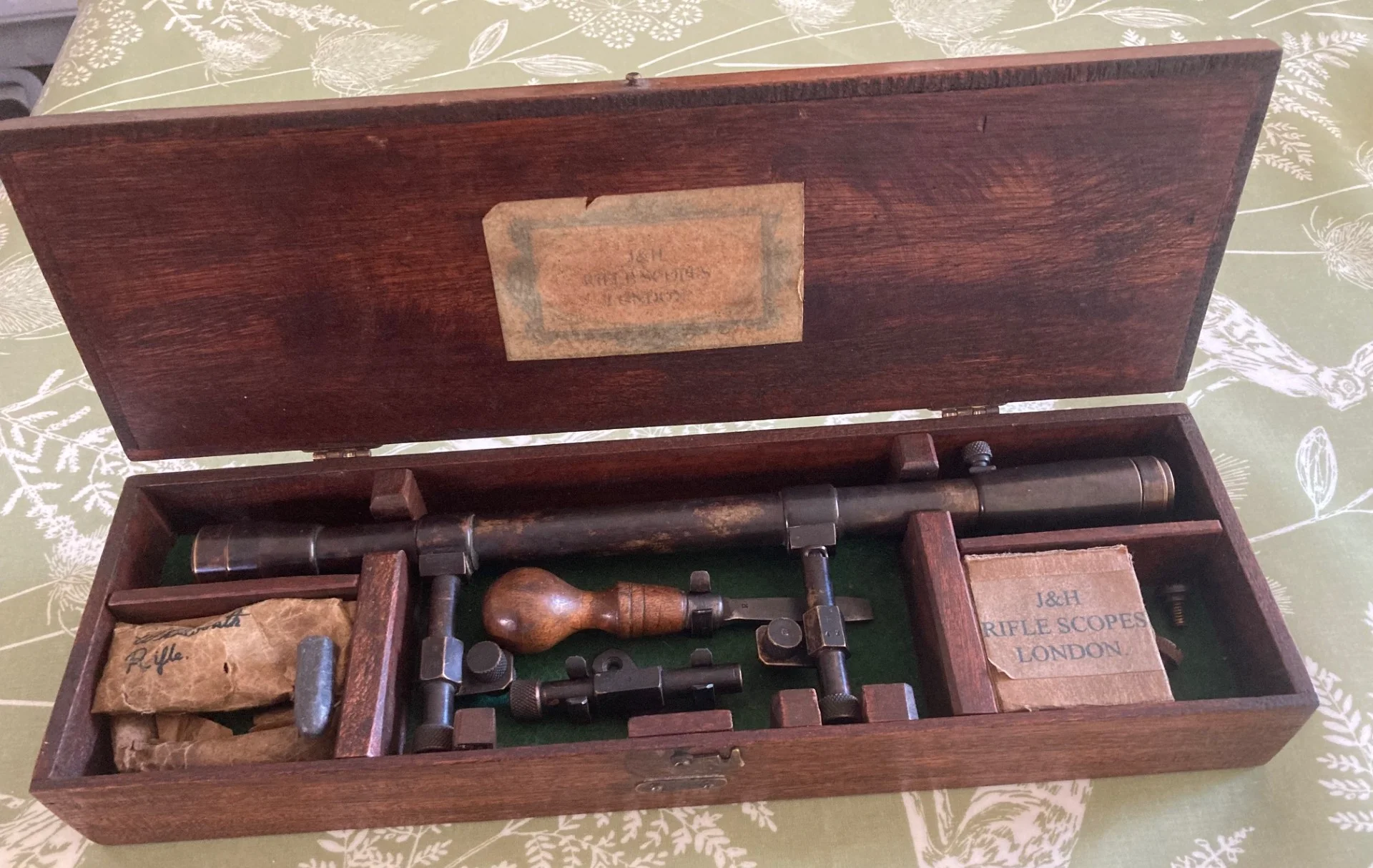
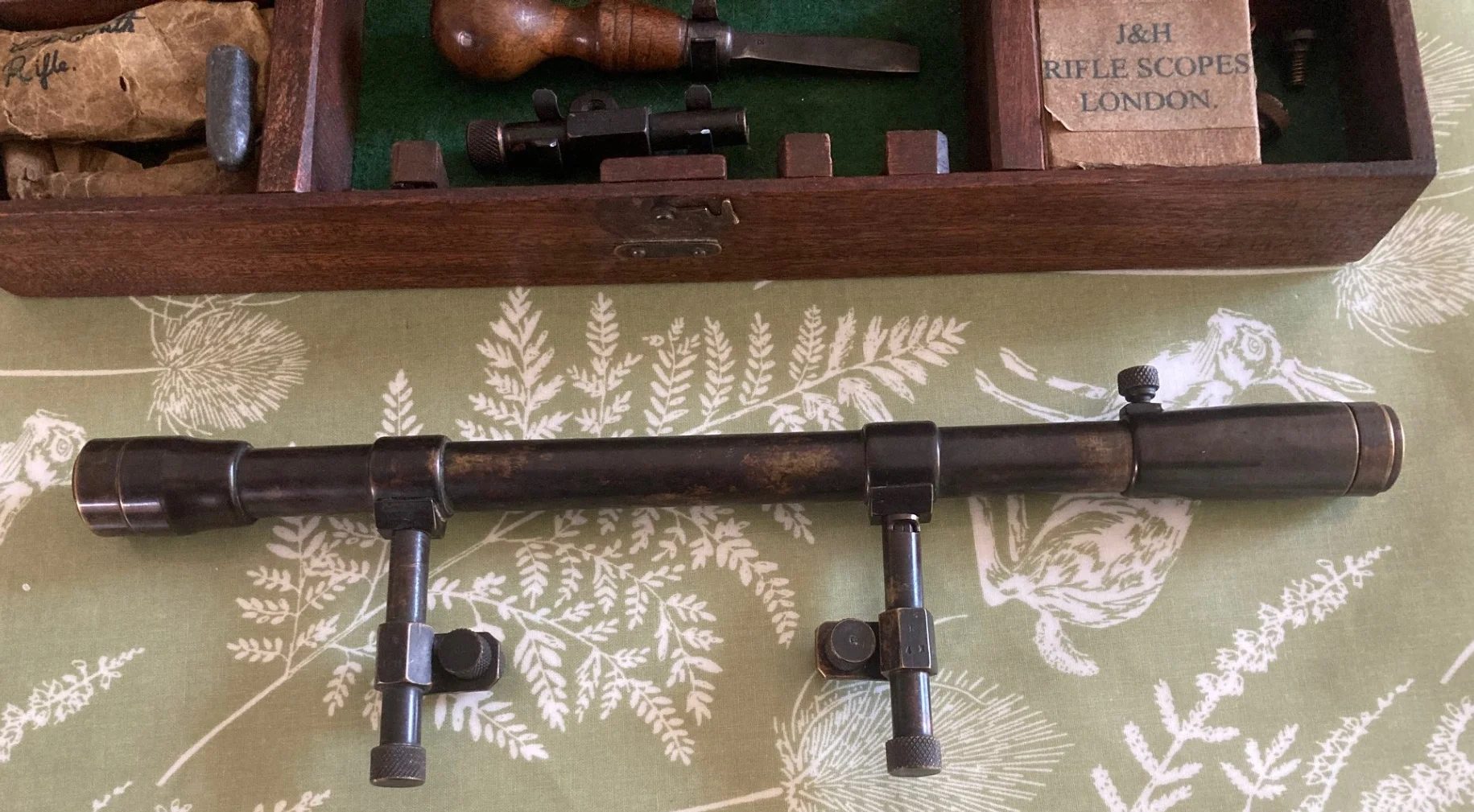
The rifle telescopes at the time tended to have one fixed pivot point at least - usually the end nearest the breech. This allowed the shooter a stable head position against the butt. The adustment - if any - was made at the forward end. Many more had two fixed points - no adjustment, but a series of lines for each 100 yards range. They were almost always mounted on the left-hand side, not top mounted, so it could be used with iron sights out to, say, 600 yards and the scope would extend this further. Given the trajectory angles. it may only have added another 200 yards. There are stories of shots out to and beyond 1000 yards, but this could be done with just appropriate iron sights (and some luck - for the shooter).
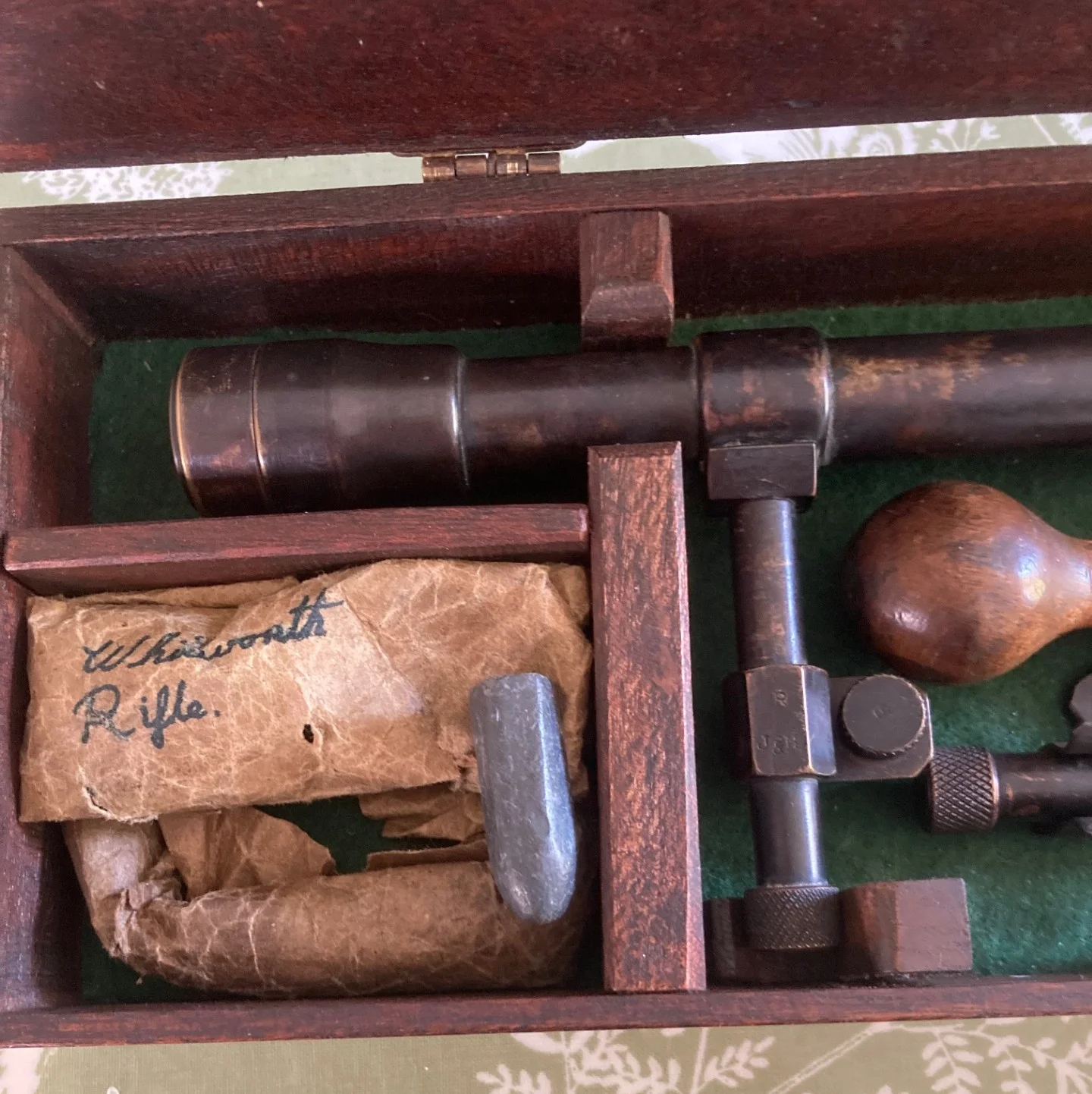
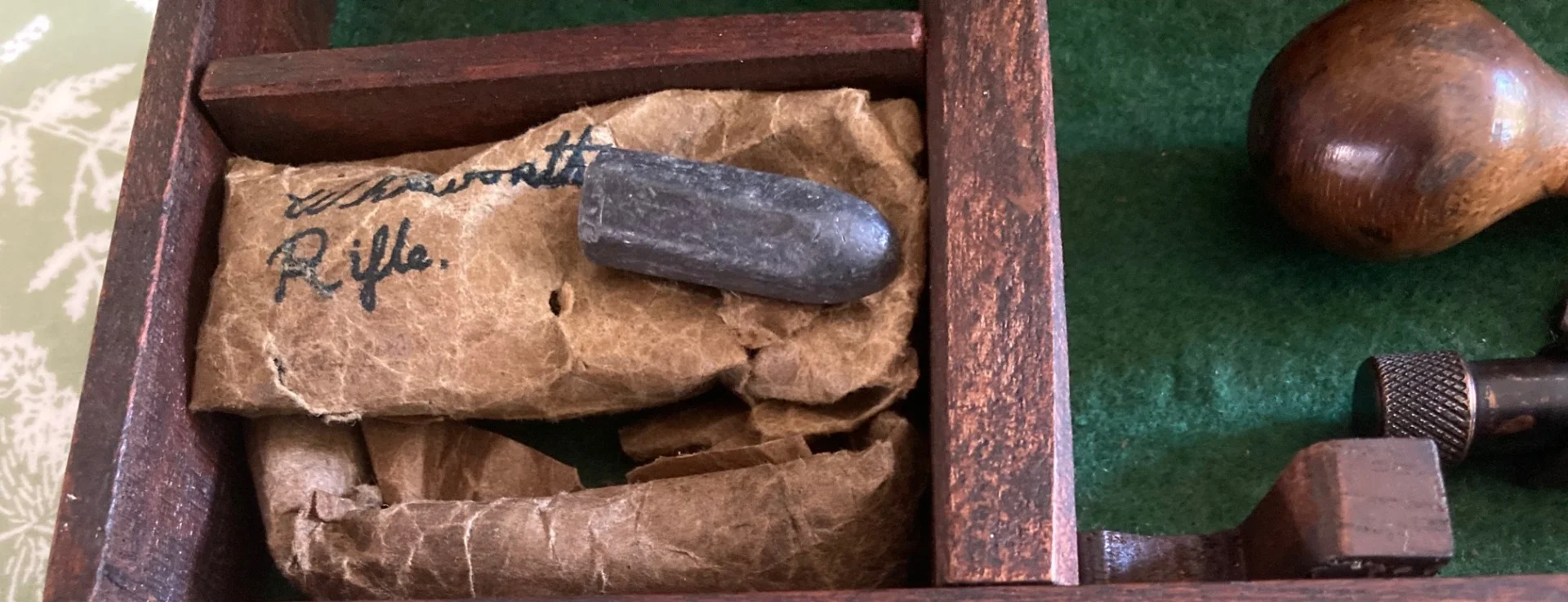
The British NRA shoots of the time were out to 1,000 yards with only iron sighs - and no support or sling(!) with an average of around 40% scoring hits. (This was an open competition, the 'service rifle and ammo' shoots rarely went beyond 600yards) The preferred rifle was the Whitworth and as the years went on the supine position (laid on back or side) was the preferred shooting position - again no support or sling.
The lenses on these scopes was small, often an inch at most, simply because the design, fitting and location did not allow it. Larger lenses were fitted to maritime telescopes and even field glasses, but this would not fit alongside the stock to give the shooter a good head position. This also affected magnification too - it was quite small by modern standards, often not more than x4. The London scopes were noticably smaller than US ones due to better lens production and smaller focal length. It was no night scope and most needed good light to work. A dull day would have made them pretty useless.
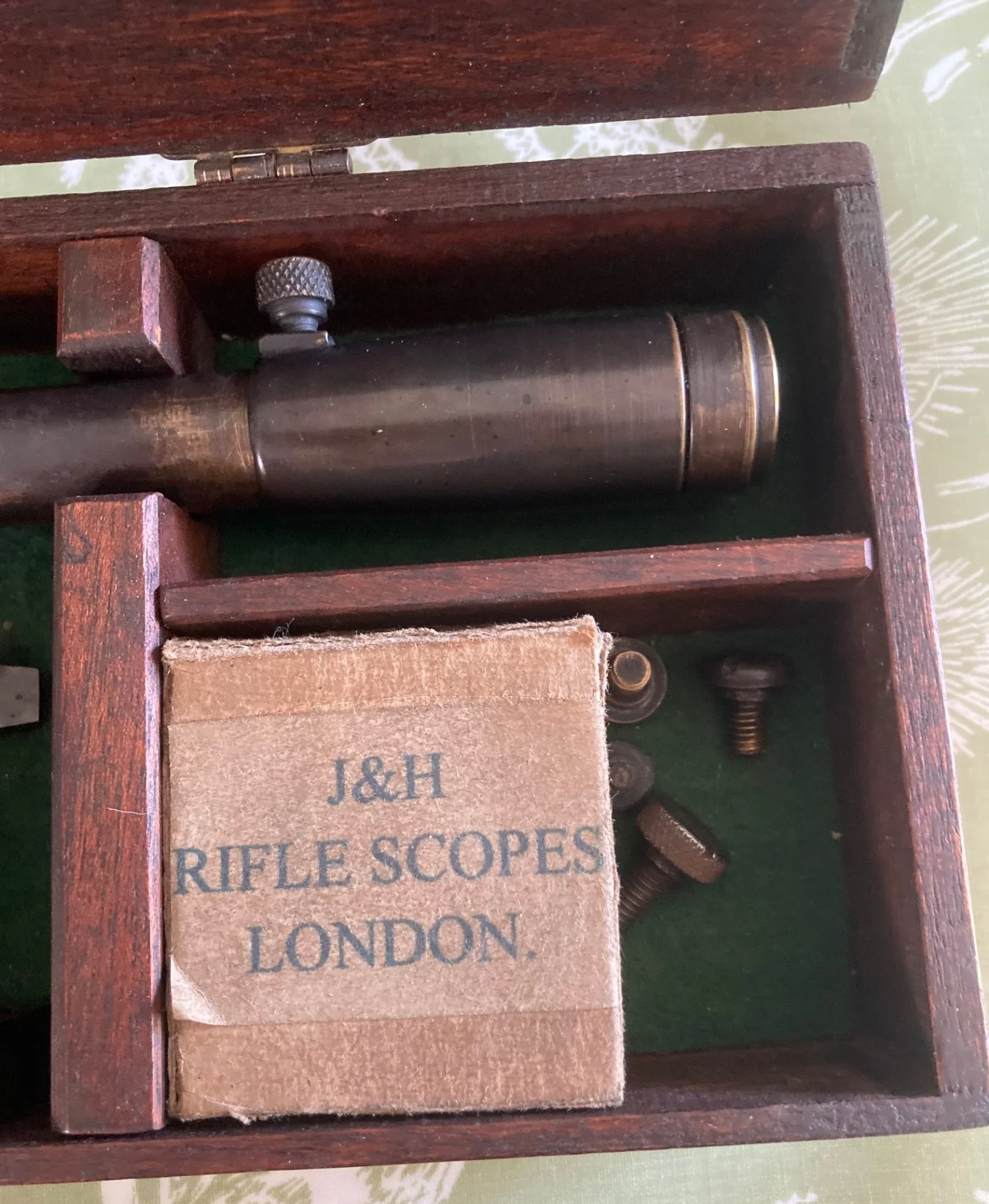
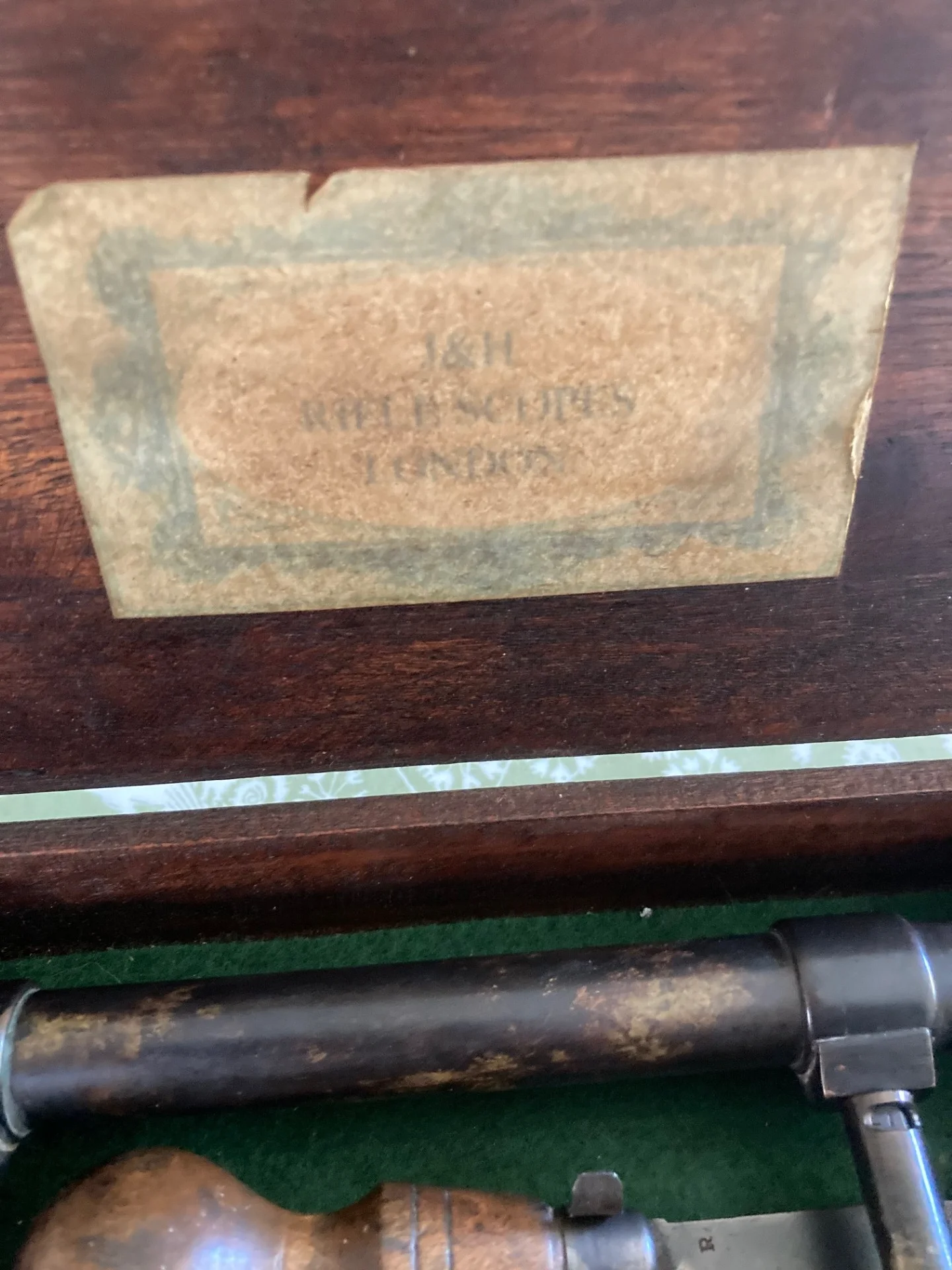
it is unlikely that these scopes were made by the gunmakers - optics, glass moulding, polishing and mounting was not their trade. They certainly will have designed the mounts on scope and rifle, and calibrated any adjustment but the scope would have been manufactured by an optical firm - spectaclemakers, telescope- or microscope-makers, magnifying glasses, etc. They may well have had a exclusive contract and put their own name upon the scope, but they would not have made it at this time. Most adjustments would have been in angles - minutes and seconds of a degree - NOT ranges. This was based on trajectory and that depended a lot on charge type and quantity as well as shot weight that the marksman would know from experience. Air stability would be a factor too, especially wind direction and strength. Muzzle energy, etc, was not used in the field as such.
The evolution of rifle scopes and sights mirrors the advancement of firearms themselves, transforming shooting from an art of estimation […]

sportsmatch-uk.com



 Forum Host


 Bringing the