Collecting Austrian firearms of the Civil War period is endlessly interesting. One generally sees two types of techniques used to transform Muster 1851 System Augustin Kammerkarabiner from tubelock to percussion.
By 1859 the Austrian cavalry was still equipped almost exclusively with System Augustin firearms. As an interim measure, the k.k. Army used the following process to transform some System Augustin weapons to percussion. The external parts of the System Augustin tubelock were removed and the resulting holes in the lockplate were filled. A bolster [Wellbaum] was forged, threaded to hold a nipple, and threaded to screw into the touchhole for the System Augustin Kern in the barrel of the weapon. Once in place, the new bolster was soldered or brazed in place. The face of the System Augustin hammer was opened to fit around the nipple, or a replacement percussion hammer was fitted. In terms of lock geometry, this was probably the best system to transform System Augustin weapons to percussion. Shipping documentation indicates that about 6,060 of the Muster 1851 carbines purchased by George Schuyler for the Federal Army had this conversion and that the transformation was done in the Austrian Empire.
Numbers of Muster 1851 Kammerkarabiner, are found in the United States that were transformed from tubelock to percussion using the Piedmontese Army's "Lump-of-Iron" transformation technique. The external parts of the System Augustin tubelock were removed from the lockplate and the resulting holes were filled. The Kern was removed from the barrel and the touch hole sealed with an iron or brass pin. A cone seat blank shaped like a lump of iron was brazed to the top right rear of the barrel and drilled and tapped for a cone seat. The System Augustin hammer was replaced with a copy of the hammer used on the Piedmont-Sardinian Army's Model 1844/60 rifle(d) musket, and whose stroke was mated to the position of the nipple. It has been generally accepted in the United States that these weapons were transformed in Liege.
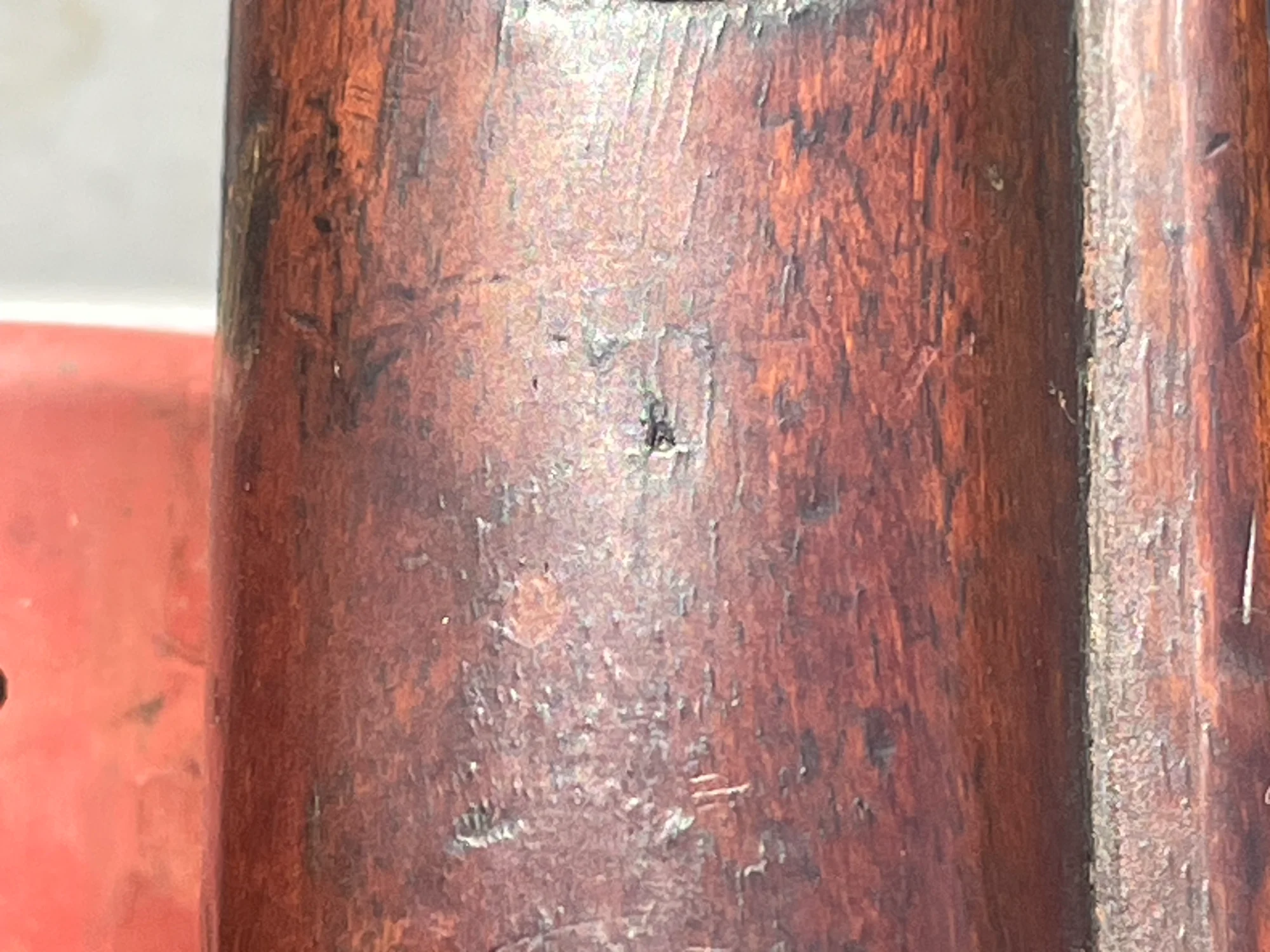
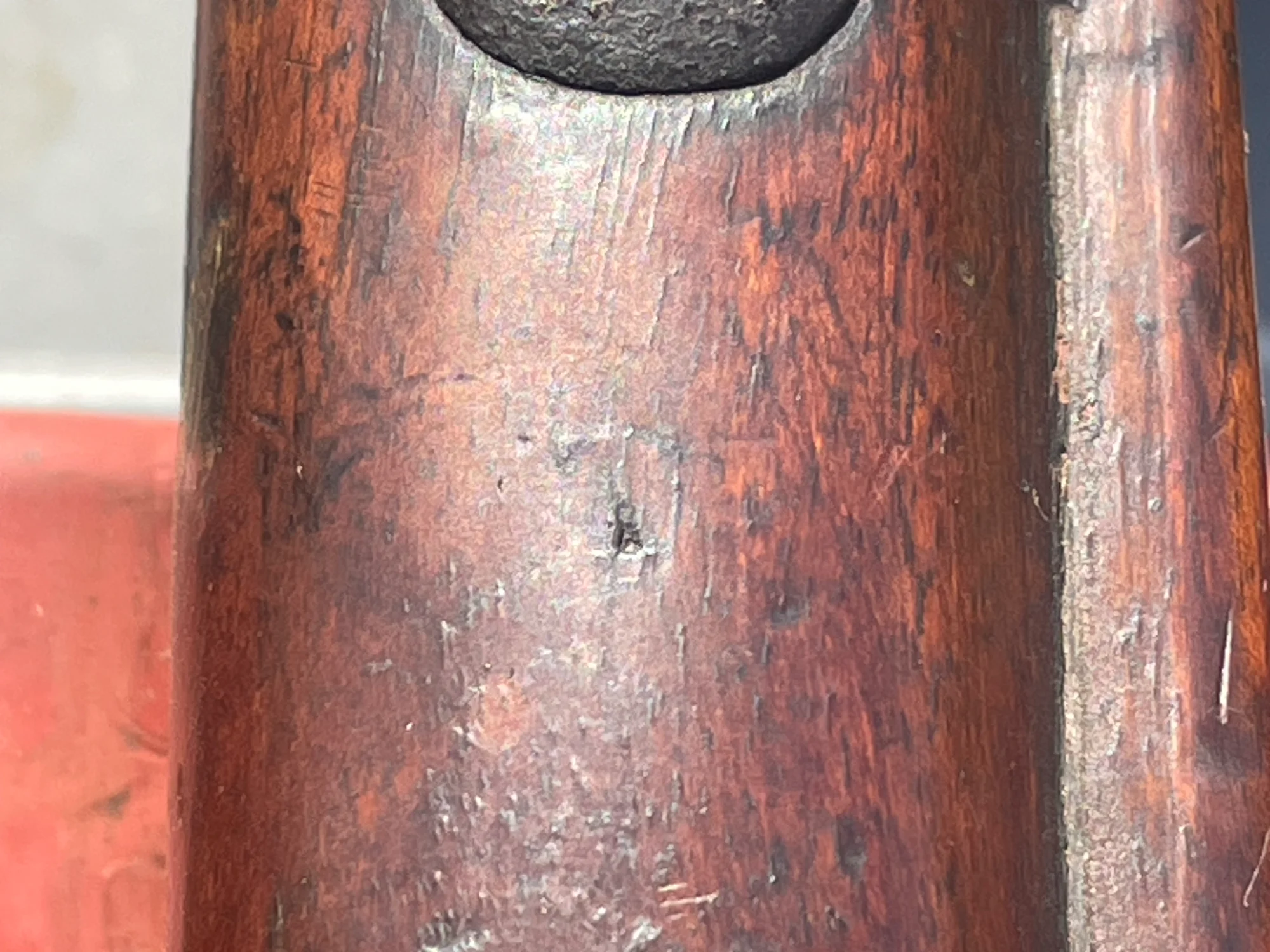
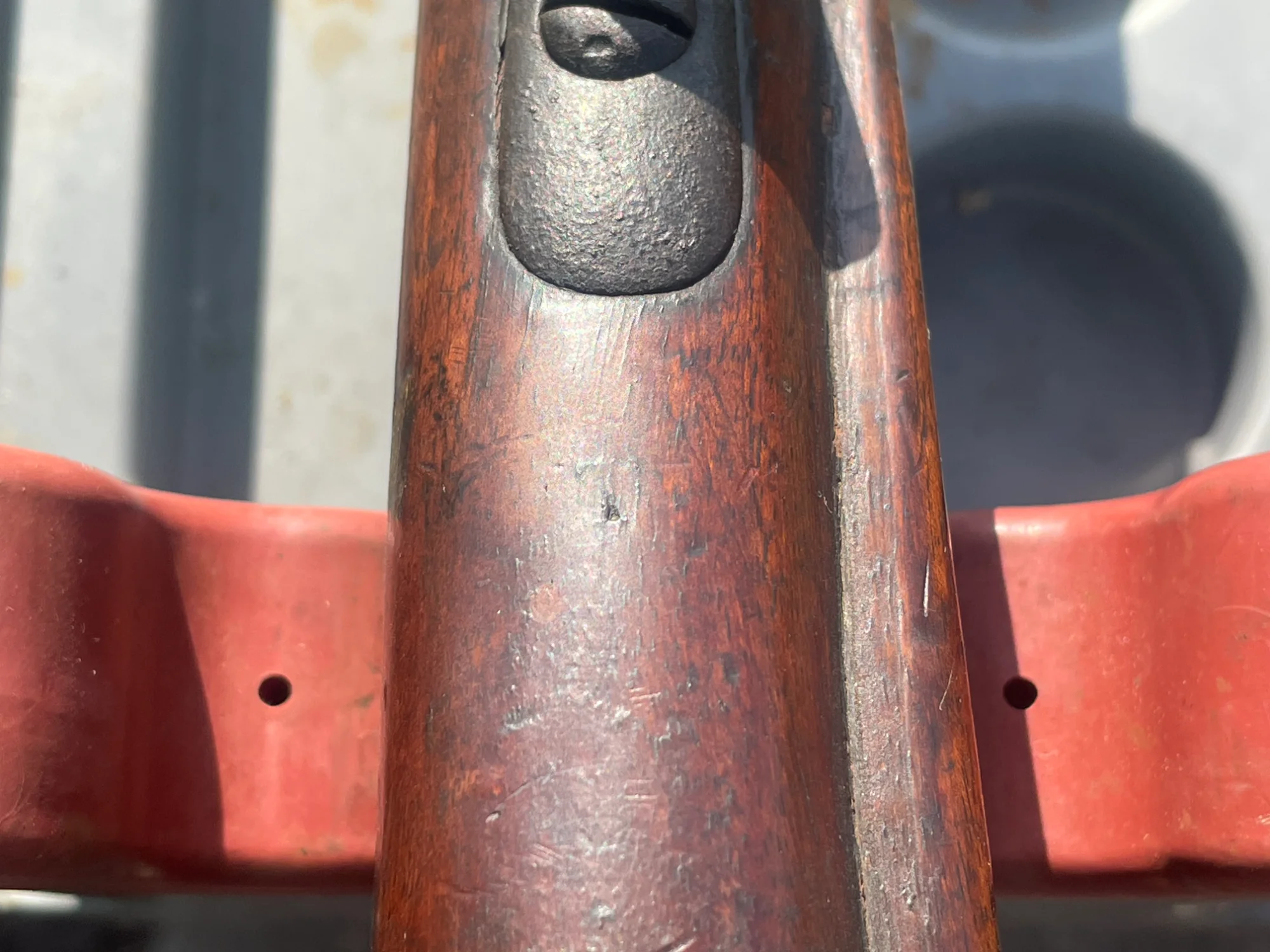
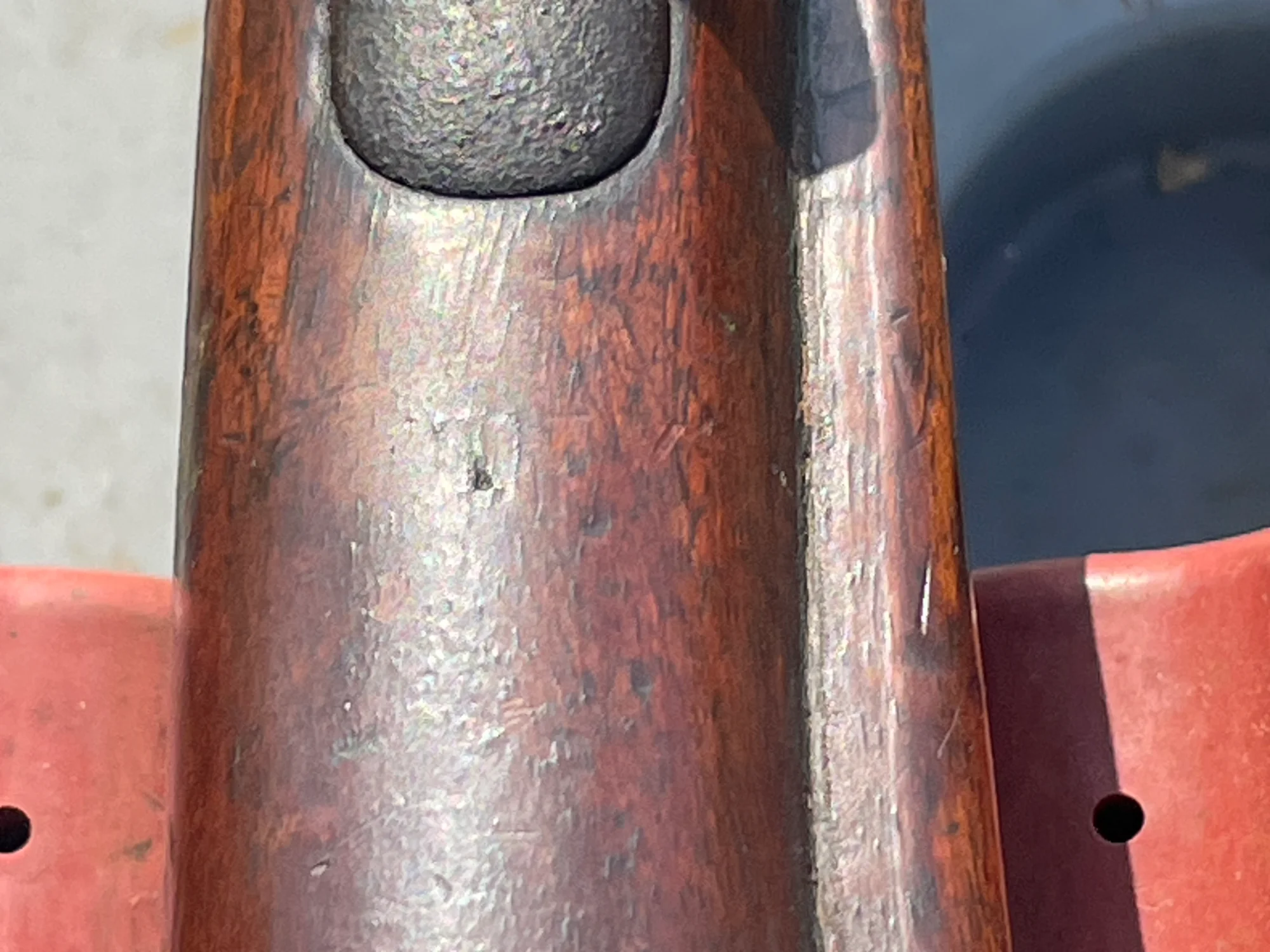
Then we get to your weapon. I have seen a small number of Muster 1842 muskets which were transformed to percussion by screwing a cylindrical drum bolster containing a cone seat into the touch hole in the barrel. I have never seen a Muster 1851 carbine transformed using this technique. The observed drums came in different shapes, probably indicating that the work was performed by different gunsmiths or arsenals. The external System Augustin tubelock parts were removed from the lockplate and the resulting screw holes filled. If the original tubelock hammer was used, the face of the hammer may or may not have been opened to fit around the nipple and percussion cap. Curiously, your weapon appears to have what started out as a Piedmontese style hammer. Although it is safe to say that this work was not done in Europe or by the Federal Army, the provenance of the transformation is unclear. The drum bolster transformation was simple and inexpensive, and prior to the Civil War it was common for gunsmiths to transform flintlock arms to percussion using the technique. There are some American manufactured military arms with alleged Confederate military provenance transformed in this manner. The unanswered, and probably unanswerable, question is: were these arms which were imported and transformed by or for the Confederate Army, or were they surplus tubelock arms which were transformed by commercial gunsmiths after the war? If the work on your carbine was done by the Confederates, the transformation was performed on a carbine in the original System Augustin tubelock.
Since I continue to play with a book project, I would be interested in obtaining copies of your photographs.
Regards,
Don Dixon



 Bringing the