
JPK Huson 1863
Brev. Brig. Gen'l
- Joined
- Feb 14, 2012
- Location
- Central Pennsylvania
Donna is away for a few. No one can replace her energy in the Food Forum, I told her I'd try to help!
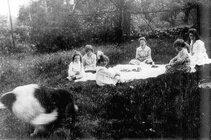
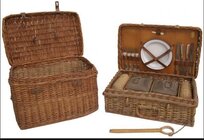
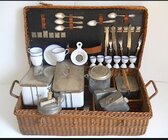
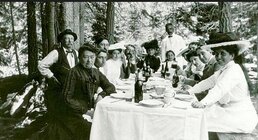
" In July 1861 when - volunteers clashed at Bull Run in northern Virginia, civilians--congressmen, businessmen and socialites with picnic baskets--drove out in carriages from Washington to watch the battle. But within hours they had joined McDowell's Union army in hasty retreat from the battleground to Washington. Contemplating the death of nearly 900 soldiers, both sides realized that the war would be no summer's amusement--nor "fun and frolic," as one spectator anticipated. "
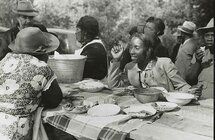
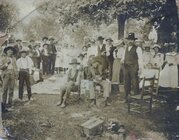
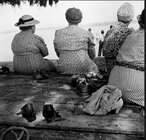
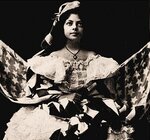
……Was one of the most well-known of all ' picnic ' days and an abysmal, tragic failure. Still, our American spirit dearly loves an excuse, any excuse for a get together. Combine the spirit of patriotism felt through our long History with inventive ways we've managed to mark the birth of our nation and what has transpired has been as unique as all our cultures- which is the point, really. Only one ' Us ', U.S. ' Us ', deliberately symbolic, turning pages together through over two centuries. Like a pianist playing dependent on another flipping his music- the song doesn't continue one without the other. It's the " Star Spangled Banner ".
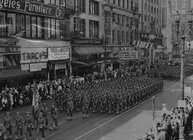
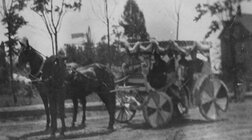
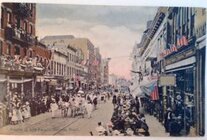
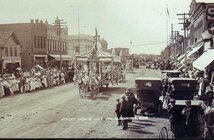
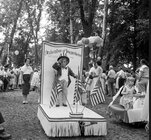
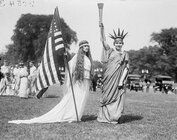
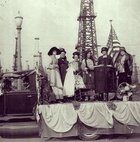
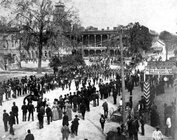
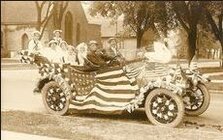
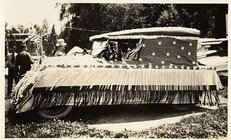
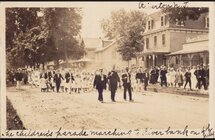
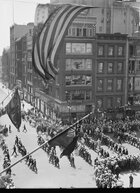
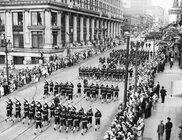
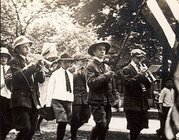
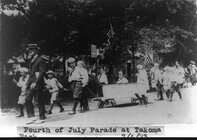
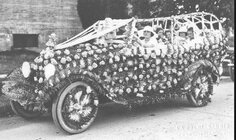
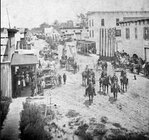
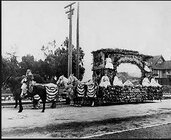
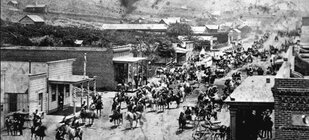
What better reason to throw a parade.
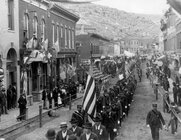
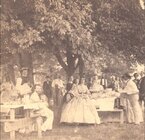
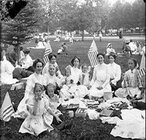
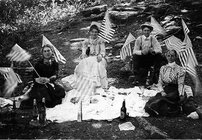
" Variously known as the Fourth of July and Independence Day, July 4th has been a federal holiday in the United States since 1941, but the tradition of Independence Day celebrations goes back to the 18th century and the American Revolution (1775-83). In June 1776, representatives of the 13 colonies then fighting in the revolutionary struggle weighed a resolution that would declare their independence from Great Britain. On July 2nd, the Continental Congress voted in favor of independence, and two days later its delegates adopted the Declaration of Independence, a historic document drafted by Thomas Jefferson. From 1776 until the present day, July 4th has been celebrated as the birth of American independence, with typical festivities ranging from fireworks, parades and concerts to more casual family gatherings and barbecues. "
http://www.history.com/topics/holidays/july-4th
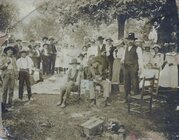
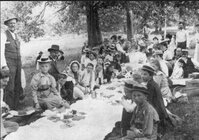
" In July 1861 when - volunteers clashed at Bull Run in northern Virginia, civilians--congressmen, businessmen and socialites with picnic baskets--drove out in carriages from Washington to watch the battle. But within hours they had joined McDowell's Union army in hasty retreat from the battleground to Washington. Contemplating the death of nearly 900 soldiers, both sides realized that the war would be no summer's amusement--nor "fun and frolic," as one spectator anticipated. "
……Was one of the most well-known of all ' picnic ' days and an abysmal, tragic failure. Still, our American spirit dearly loves an excuse, any excuse for a get together. Combine the spirit of patriotism felt through our long History with inventive ways we've managed to mark the birth of our nation and what has transpired has been as unique as all our cultures- which is the point, really. Only one ' Us ', U.S. ' Us ', deliberately symbolic, turning pages together through over two centuries. Like a pianist playing dependent on another flipping his music- the song doesn't continue one without the other. It's the " Star Spangled Banner ".
What better reason to throw a parade.
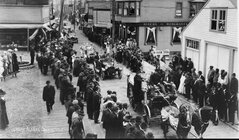
" Variously known as the Fourth of July and Independence Day, July 4th has been a federal holiday in the United States since 1941, but the tradition of Independence Day celebrations goes back to the 18th century and the American Revolution (1775-83). In June 1776, representatives of the 13 colonies then fighting in the revolutionary struggle weighed a resolution that would declare their independence from Great Britain. On July 2nd, the Continental Congress voted in favor of independence, and two days later its delegates adopted the Declaration of Independence, a historic document drafted by Thomas Jefferson. From 1776 until the present day, July 4th has been celebrated as the birth of American independence, with typical festivities ranging from fireworks, parades and concerts to more casual family gatherings and barbecues. "
http://www.history.com/topics/holidays/july-4th
Last edited:


 Forum Host


 Bringing the