- Joined
- Nov 26, 2016
- Location
- central NC
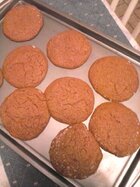
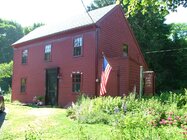
Many recipes tell a story and this one is no exception. Joe Froggers tell a story of how a Black-owned 19th century tavern in Marblehead, Massachusetts became the birthplace of a beloved cookie. As the story goes, Lucretia Thomas Brown, wife of Joseph Brown, invented Joe Froggers as tavern fare for the hungry neighbors and sailors that frequented the couple's establishment. She allegedly named the cookie after her husband and the nearby pond's lily pads. Because the cookie lacked milk and eggs, which spoil easily, it kept for a long time, and the addition of rum and salt water further acted as a preservative. The shelf-stable sweet soon became popular among Marblehead sailors, who took it with them on sojourns to the high seas.
The Joe Frogger cookie is a kind of boozy gingerbread uniquely associated with Marblehead. It's fat as a lily pad, sharp with rum, salty with seawater, Christmassy with ginger, nutmeg, cloves, and allspice, and sweet with molasses. It's a great recipe to pull out for the holidays.
Ingredients:
3½ cups flour
1½ teaspoons sea salt
1½ teaspoons ground ginger
½ teaspoon ground cloves
½ teaspoon grated nutmeg
¼ teaspoon allspice
1 teaspoon baking soda
1 cup molasses
1 packed cup brown sugar
2 tablespoons white sugar
½ cup room temperature butter, vegetable shortening, or lard
2 tablespoons dark rum
1/3 cup hot water
Directions for making the dough:
First, whisk the salt, baking soda, ginger, cloves, nutmeg, and allspice in a medium-sized bowl until they're well-combined. If you like a zingier cookie, you can up the ground ginger to 2 teaspoons.
In a larger bowl, beat together the molasses, brown sugar, and your chosen fat. Your choice of fat depends on what you're looking for in the final outcome. The original 19th century recipe, like many spice cookies of the time, likely used lard. Butter will result in a slightly flatter, crisper cookie, while shortening will result in a fluffier one, though the texture of both will be pleasantly chewy if you leave the dough slightly thicker than ¼ inch..
Whatever fat you choose, beat for a few minutes until the mixture becomes lighter in color and fluffy. Then, in a separate bowl or measuring cup, combine the hot water and rum. If you like a boozy cookie, you can increase the amount of rum and decrease the water proportionately. There are versions of this recipe that call for no water at all, so you'll be in good company.
Now, stirring continuously, alternate adding the dry ingredients and the water-and-rum mixture to the sugar-and-molasses mixture. Continue stirring as the mixture becomes dough. If it's too dry to mold, add a little water. It's okay if the dough is a little sticky; it will firm up while chilled.
Cover the cookie dough and leave it in the fridge, for at least two hours, preferably a day.
Directions for shaping the cookies:
Right before you remove the dough from the fridge, preheat your oven to 375°F. Lay down a layer of parchment paper onto your work surface, and sprinkle it with white sugar. You can add a dash of salt as well if you'd like to enhance the seawater flavor. Some folks like to coat the cookies with a bit of sugar as they roll them out. The sugar also helps keep the dough from sticking to the parchment.
Roll out the dough until it's about ¼ of an inch. Traditional Joe Froggers are quite large (think lily pads), but you can use a typical round cookie cutter.
Directions for baking the cookies:
Place the cookies on greased or parchment paper–lined baking trays. Bake them for 10 to 12 minutes. You'll know the Joe Froggers are done when they begin to brown on the edges and are still slightly soft in the center. You'll smell the sugar and molasses as the edges start to crisp.
The Joe Frogger cookie is a kind of boozy gingerbread uniquely associated with Marblehead. It's fat as a lily pad, sharp with rum, salty with seawater, Christmassy with ginger, nutmeg, cloves, and allspice, and sweet with molasses. It's a great recipe to pull out for the holidays.
Ingredients:
3½ cups flour
1½ teaspoons sea salt
1½ teaspoons ground ginger
½ teaspoon ground cloves
½ teaspoon grated nutmeg
¼ teaspoon allspice
1 teaspoon baking soda
1 cup molasses
1 packed cup brown sugar
2 tablespoons white sugar
½ cup room temperature butter, vegetable shortening, or lard
2 tablespoons dark rum
1/3 cup hot water
Directions for making the dough:
First, whisk the salt, baking soda, ginger, cloves, nutmeg, and allspice in a medium-sized bowl until they're well-combined. If you like a zingier cookie, you can up the ground ginger to 2 teaspoons.
In a larger bowl, beat together the molasses, brown sugar, and your chosen fat. Your choice of fat depends on what you're looking for in the final outcome. The original 19th century recipe, like many spice cookies of the time, likely used lard. Butter will result in a slightly flatter, crisper cookie, while shortening will result in a fluffier one, though the texture of both will be pleasantly chewy if you leave the dough slightly thicker than ¼ inch..
Whatever fat you choose, beat for a few minutes until the mixture becomes lighter in color and fluffy. Then, in a separate bowl or measuring cup, combine the hot water and rum. If you like a boozy cookie, you can increase the amount of rum and decrease the water proportionately. There are versions of this recipe that call for no water at all, so you'll be in good company.
Now, stirring continuously, alternate adding the dry ingredients and the water-and-rum mixture to the sugar-and-molasses mixture. Continue stirring as the mixture becomes dough. If it's too dry to mold, add a little water. It's okay if the dough is a little sticky; it will firm up while chilled.
Cover the cookie dough and leave it in the fridge, for at least two hours, preferably a day.
Directions for shaping the cookies:
Right before you remove the dough from the fridge, preheat your oven to 375°F. Lay down a layer of parchment paper onto your work surface, and sprinkle it with white sugar. You can add a dash of salt as well if you'd like to enhance the seawater flavor. Some folks like to coat the cookies with a bit of sugar as they roll them out. The sugar also helps keep the dough from sticking to the parchment.
Roll out the dough until it's about ¼ of an inch. Traditional Joe Froggers are quite large (think lily pads), but you can use a typical round cookie cutter.
Directions for baking the cookies:
Place the cookies on greased or parchment paper–lined baking trays. Bake them for 10 to 12 minutes. You'll know the Joe Froggers are done when they begin to brown on the edges and are still slightly soft in the center. You'll smell the sugar and molasses as the edges start to crisp.

