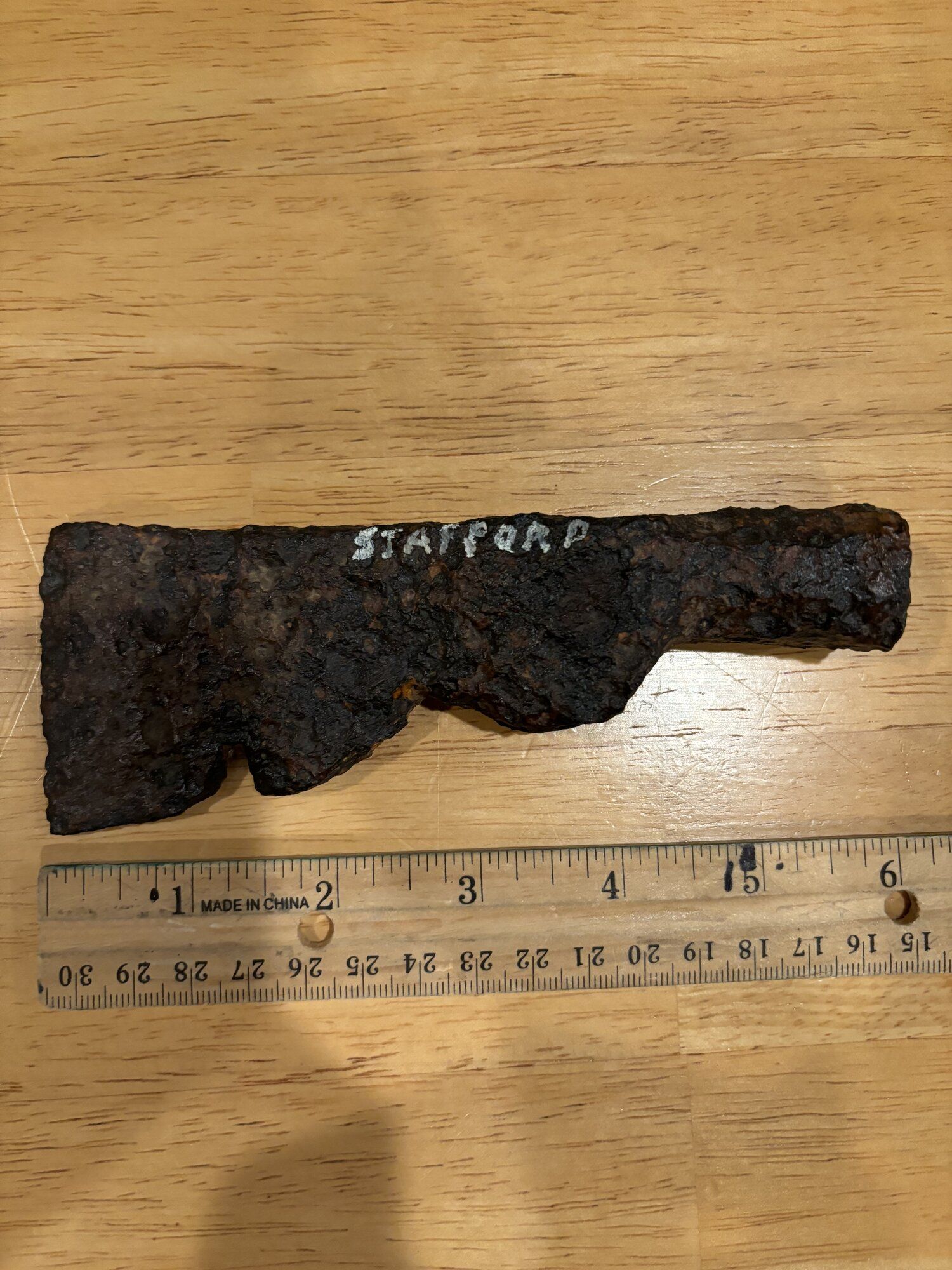
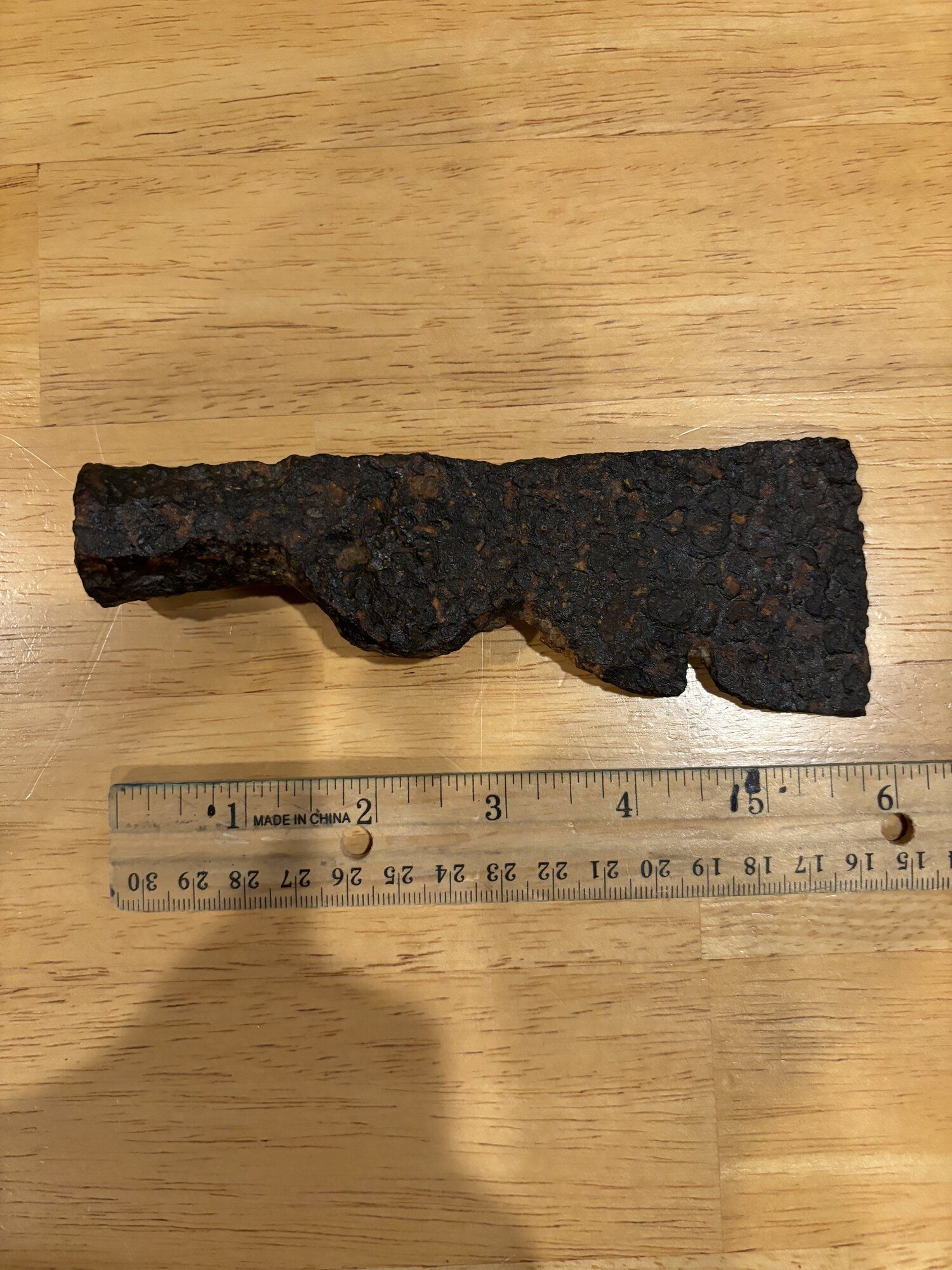
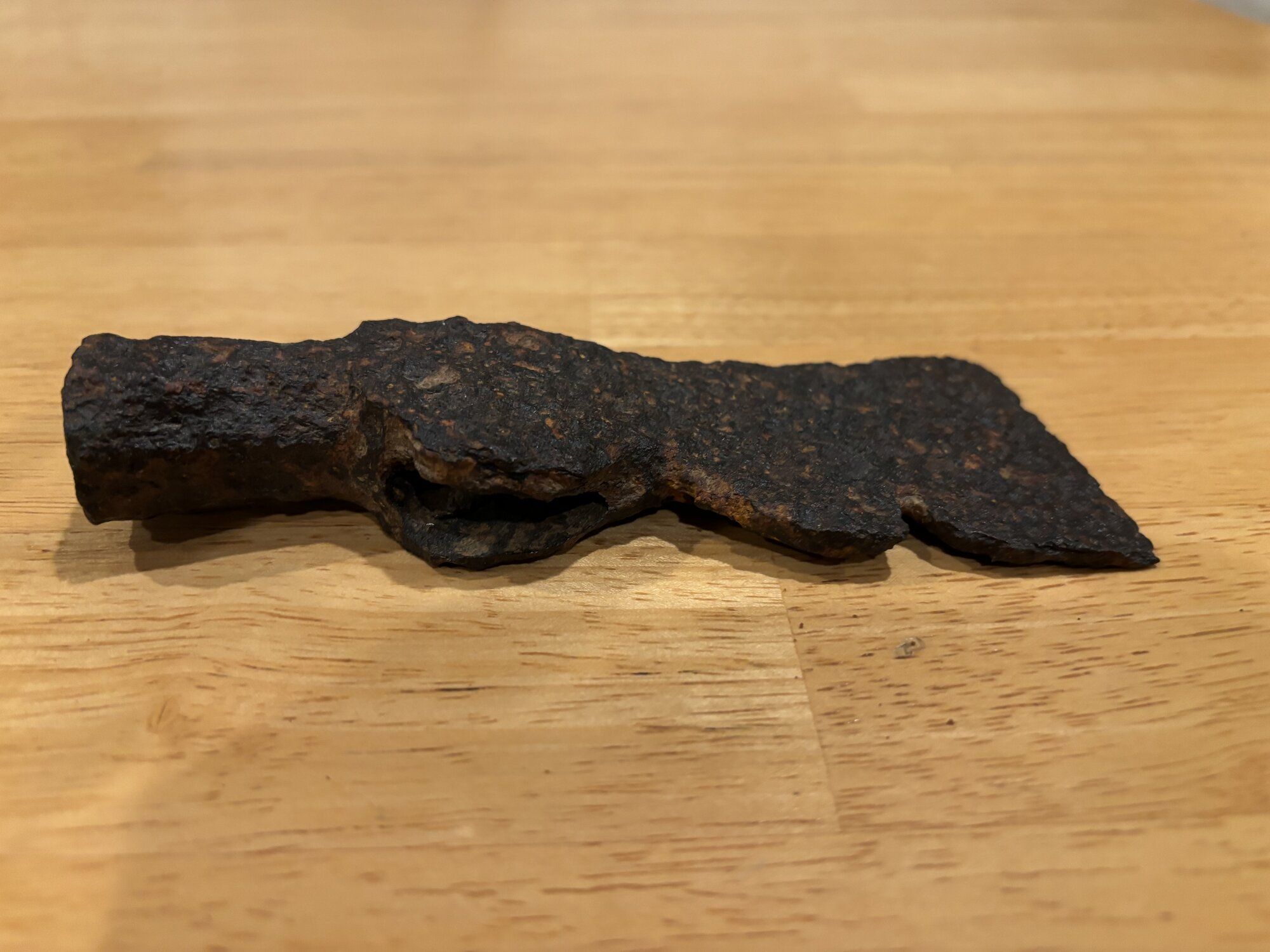
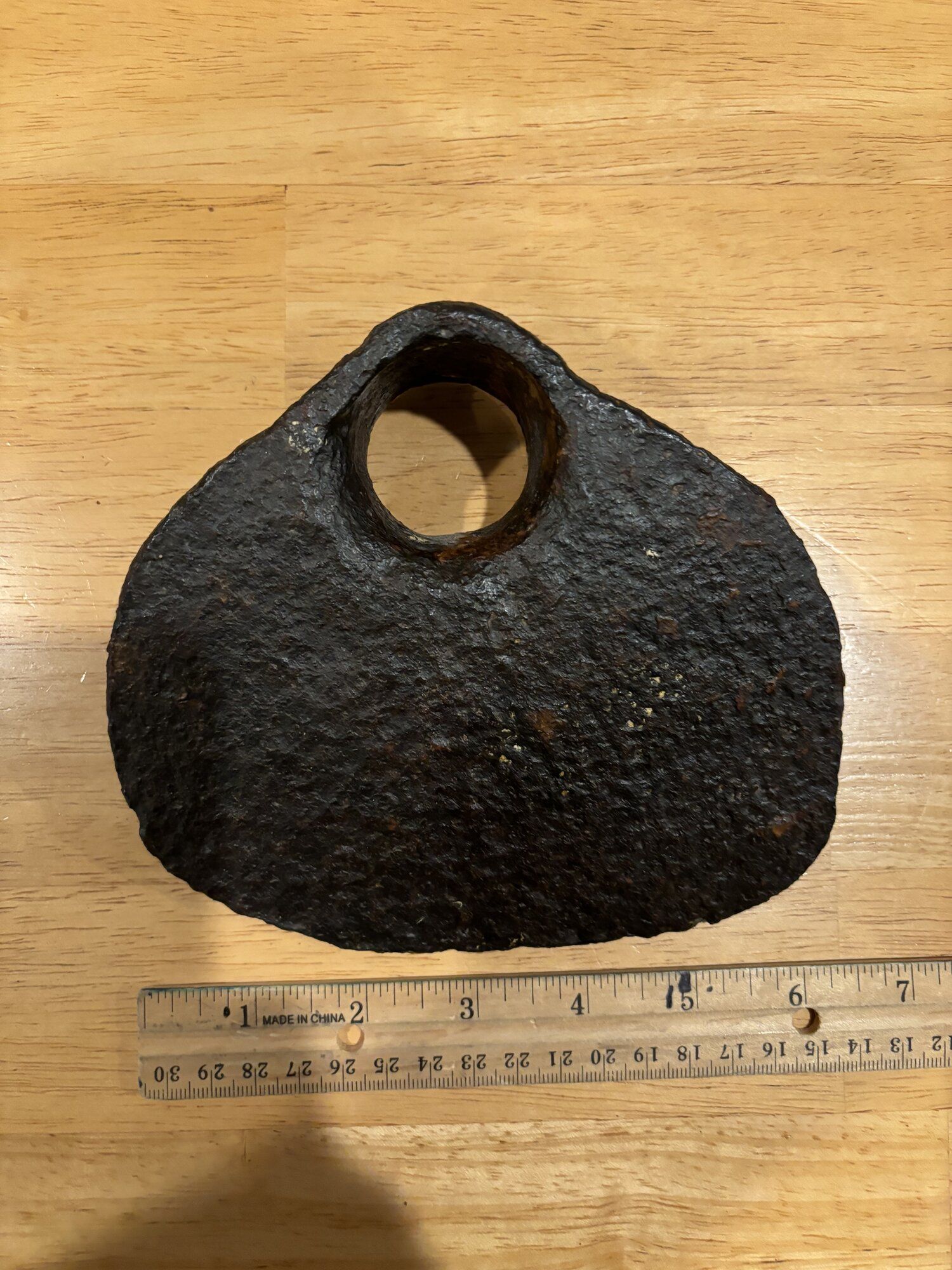
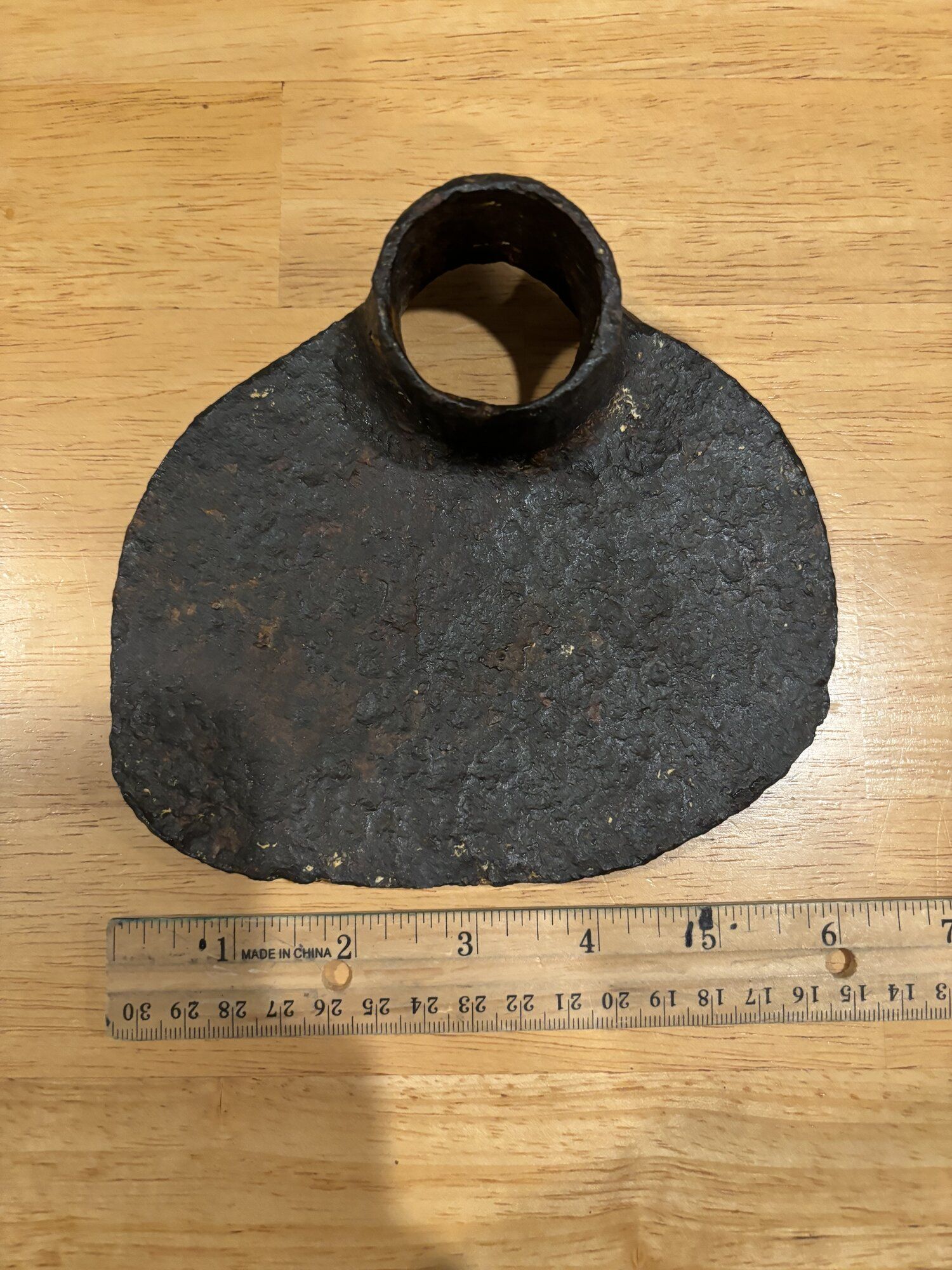
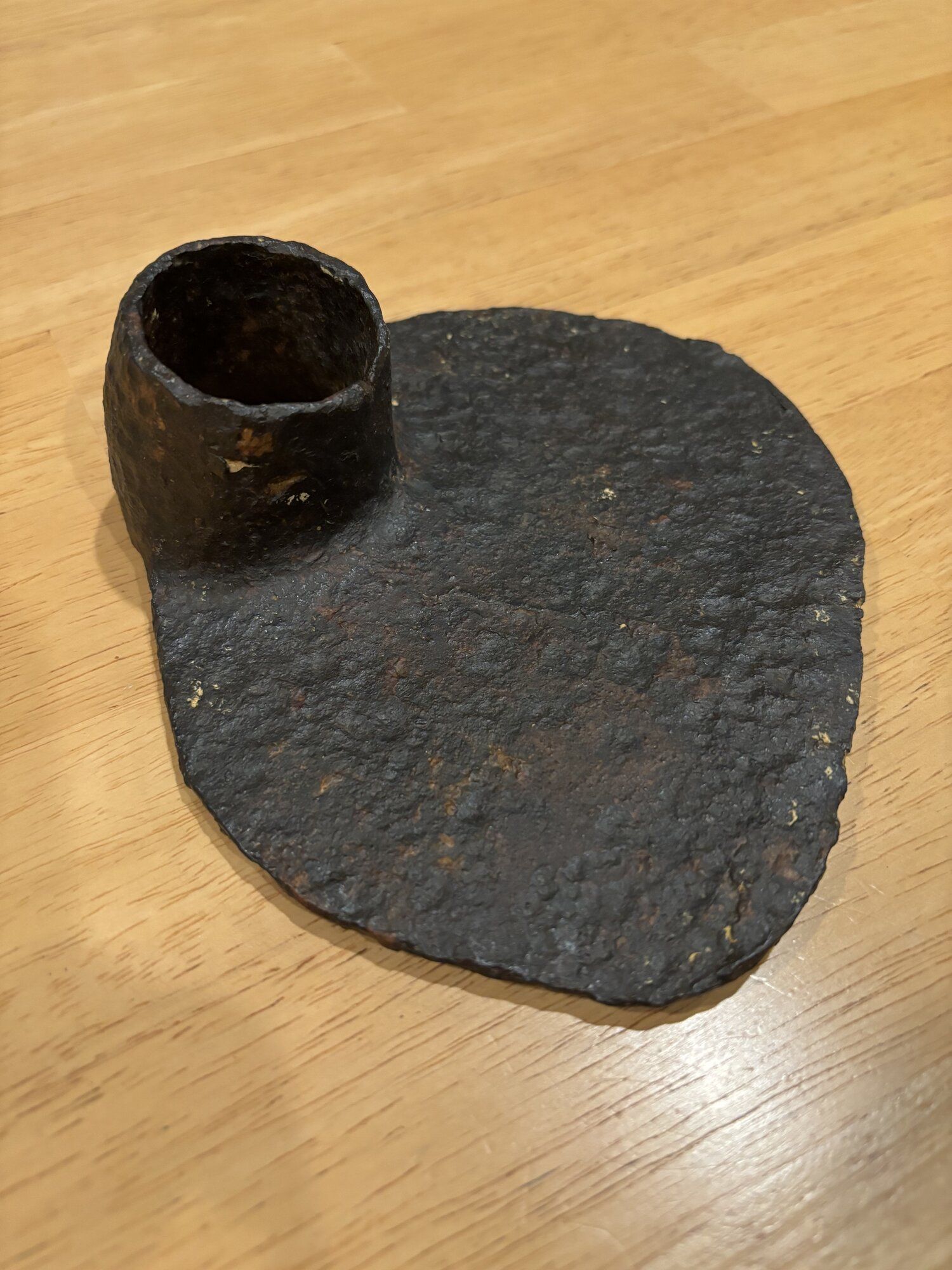
What is this? CW hatchet and hoe?

Phogan87

Private
Joined
Sep 1, 2019
I expect to hear the loud sound of crickets with this question because these tools are so common I would be shocked if anyone can answer. However, I have been amazed at the level of knowledge that is on this forum, so here it goes: these two items were sold as a Civil War hatchet head recovered from a Union campsite in Stafford, Virginia at the site of Gen. Burnsides winter quarters, and a hoe recovered from the site of the earthworks at Kennesaw Mountain, GA. I got these early in my collecting days when I was new to the hobby (and more gullible) but now Ive come back to question their authenticity. Are there any thoughts about the style of these items that would lead credence to the fact that these are possibly CW tools? I really appreciate any insight that is out there.

IMG_4291.jpeg


IMG_4292.jpeg


IMG_4293.jpeg


IMG_4288.jpeg


IMG_4289.jpeg


IMG_4290.jpeg
 
A quick run through five volumes of Francis A. Lord's' Civil War Collector's Encyclopedia, gives the following:

Volume I mentioned two types of hatchet but did not illustrate them. One was a camp axe that was a scaled down version of a full size axe and the other, rarer type, had a hammer and an example had been found in Spotsylvania (I:48)

There is an example of a boarding axe (I:57) but while it has a hammer, it has two notches along the side of the blade. The most noticeable difference is the metal sheath extending from the axe head along the handle to protect it from damage.

IMG_6350.jpeg


There is a display of hatchet heads on (III:85) which has a head similar to the one shown above but it's a bit wider. It was found in a 5th Corps area of the Wilderness battlefield.

IMG_6347.jpeg


There are a number of other axe head styles illustrated in the Encyclopedia, but they don't closely resemble the hatchet head above. As for hoes, on (IV:104) there is a remarkably similar example to the one above but, perhaps, more lightly constructed. The example in the Encyclopedia was found at Sherman's HQ in LaGrange, TN.

IMG_6349.jpeg


IMG_6348.jpeg
 
In addition to those hatchet heads listed in the Civil War Collectors Encyclopedia, I happen to have an example lying around the house.

IMG_6343.jpeg


I don't know how old it is and it doesn't have U.S. stamped on it, but it does have an interesting maker's mark.

IMG_6346.jpeg


C. Hammond of Philadelphia produced some model 1840 swords used during the war. At this point their role is not well understood but they were operating during the Civil War period.
 
Everyone on this forum never ceases to amaze me. You post to images of two rusted and pitted tools and you wind up with a wealth of information. Thanks to everyone… So it appears that the consensus is that these two items could have been utilized during the Civil War with a little more doubt cast on the axe. Hopefully @johan_steele's ears are ringing and he can tell that his services are needed…
 
Everyone on this forum never ceases to amaze me. You post to images of two rusted and pitted tools and you wind up with a wealth of information. Thanks to everyone… So it appears that the consensus is that these two items could have been utilized during the Civil War with a little more doubt cast on the axe. Hopefully @johan_steele's ears are ringing and he can tell that his services are needed…
Sorry… Voice to text is awful that should've said "two"
 
I would agree with much stated above. The hoe is a legitimate period style but you could still find that style up into the 1970's in hardware stores.

The hatchet… I would say it's possible with the caveat that the war produced an immense need for tools and they were supplied from all kinds of places. Some new, some used, some saved from the scrap pile and some brought from home. The corrosion on that hatchet head makes it difficult to identify but the nail pulling notch is more in line with a carpenters hatchet of the time. The thing is they were being made by a lot of companies and individual blacksmiths to the same basic pattern through the 1960's.

Tools were used until they were no longer useable, then they were typically sold or traded to the local blacksmith to be reshaped into something else.

When it comes to tools, firearms or anything else buy the item, not the story. Could these both be period? Absolutely. Could they be from the depression? Yes as well.

I have a variety of period tools, most of mine are actually 1870's or prior. But many of those tools haven't really changed that much in pattern since. Many make the mistake of believing period tools were crude in comparison to today. That is absolutely not true, especially for blacksmith tools.

There was a blacksmith/farrier in every town and many a farmer also dabbled out of necessity. They were skilled by necessity and competition. Their work was typically as good or better than machine made. It was still a viable career into the late 1950's early 60's.

With the corrosion on both items verifying one way or the other would be quite difficult. But even without it could be difficult.

As an example I have a felling ax that looks to be rather modern. The head is 1840's and the handle is 1970's. There was no malice in it the previous owner was just using it. Another I sold on was from the 1870's and the farm owners had notched the head every time it had been re handled. IIRC there were 8 notches on the head that lined up with the farm account book. Yes, the family had accounted for everything purchased for the farm over 130 years when the family left farming.

In short what is pictured are two period style tools dug at such n such… they could have been dropped and lost in 1863 or 1933.
 
@johan_steele : To really find massive differences in tool shapes, I find you really have to go back to the 18th century. Saw handles were strikingly different... axe heads really distinctive. I swear half the tools my grandfather used looked like mikd-19th century tools. Heck, they probably were!
Until axe, adze, hatchet etc handles were machine made the user typically made them.

You really don't see true standardization until the 1840's when the American system took off. Then you get the companies like Disston, Stanley and others who basically dominated the tool world. Before the American system took off the best tools in the world were coming out of England. By 1900 the US was a financial powerhouse.
 
One of the reasons I got into collecting ACW era tools was that it was relatively inexpensive. I put together a carpenters tool chest and there is no single tool in it that cost more than $100. With a couple exceptions all are original.

I really do encourage any who are fascinated with the era to repeat my endeavor. I learned a lot by populating that tool chest. I also gained a greater appreciation of what life was at that time.

If you want some resources drop me a PM.
 
One of the reasons I got into collecting ACW era tools was that it was relatively inexpensive. I put together a carpenters tool chest and there is no single tool in it that cost more than $100. With a couple exceptions all are original.

I really do encourage any who are fascinated with the era to repeat my endeavor. I learned a lot by populating that tool chest. I also gained a greater appreciation of what life was at that time.

If you want some resources drop me a PM.
I really do appreciate all of your help.
 

Learn About Us
About CivilWarTalk
Contact the Webmaster
Meet the Staff
Link to CivilWarTalk
Join Our Community
Register
Browse Forums
View Today's Discussions
Search the Forum
Get Help
FAQ
Student Guide
Forum Rules & Etiquette
Copyright / DMCA

     Contact Us CivilwarTalk on Facebook CivilWarTalk on YouTube CivilWarTalk on Twitter RSS Feed

Bringing the American Civil War and More to Life.
© 1999 - , CIVILWARTALK, LLC - Site Version 10.0

SlaveryTalk.com - SecessionTalk.com - CivilWarTalk.com - ReconstructionTalk.com
Back
Top