Barefoot ladies?

PrivateBrooke

2nd Lieutenant
Joined
Jun 8, 2018
Location
Philly burbs
Reading around, I've read many accounts of soldiers having to march along barefoot after their shoes gave out. This effected both sides but especially the Confederates. We all know the reasons, shoes were scarce, I won't bring up the reasons why, as I imagine they've been discussed ad nauseum.

But now I haven't read much about women on the home front? Confederate ladies had it rough, everything was expensive(when it was even available at all), their money was essentially worthless, they were making dresses out of curtains and any fabric they could due to shortages of both fabric and finished garments; Especially in 64-65. But what about shoes?

Shoes wear out, even if you're not marching about all over hell and creation like the boys were. Especially if you were poor, or later in the war I'd imagine economic status mattered little, and started with cheaply made, poor quality shoes to begin with. During 64 and 65, if you took a walk around Richmond or Atlanta, or Nashville, etc. or even rural areas, would ladies trotting about barefoot have been a common sight? I'd imagine you'd have seen many poorer ladies in dresses all but falling off their person and barefoot; No?
 
I know many of the towns that were "occupied" by the enemy the women would cook, sew and launder for the troops for cash or food...or maybe something to wear on their feet from them? I'm sure some would take their male relative's boots to wear them, (long skirts reveal little) if they weren't there like Augusta wearing what looks to be a man's pair of tan boots in the movie "The Keeping Room" when getting off her horse. Her father and brother were thought to killed in the war and the movie is based in fall of 1864 (despite green leaves) while Sherman's raid was going on.
 
Through the 1930s and even the 40s it was not uncommon to go barefoot when the frost went out until it frosted in the fall' wearing shoes to church, or to town or special event. Here in Northeast Iowa.
I would bet that A woman that didn't have a image to maintain would have no qualms to go barefoot.
I hit something and changed the font and don't know to get back.
 
Huh. It is an excellent question! ( and so funny, @Belle Montgomery , shades ( sorry ) of Carol Burnette.. ).

carol_burnett_gwtw.jpg


Only guesses here, hoping to find something in the usual sources
 
I know many of the towns that were "occupied" by the enemy the women would cook, sew and launder for the troops for cash or food...or maybe something to wear on their feet from them? I'm sure some would take their male relative's boots to wear them, (long skirts reveal little) if they weren't there like Augusta wearing what looks to be a man's pair of tan boots in the movie "The Keeping Room" when getting off her horse. Her father and brother were thought to killed in the war and the movie is based in fall of 1864 (despite green leaves) while Sherman's raid was going on.

I was just thinking, would poor families have more than a single pair of shoes per person? If I was a young lady of 1865, my father and brother off to war, wouldn't they not have taken their only pair of shoes off to war with them? Perhaps if I were wealthy they'd have left behind some pairs, but then I'd also have plenty of pairs of my own to go through before I'd resort to wearing theirs...
 
I was just thinking, would poor families have more than a single pair of shoes per person? If I was a young lady of 1865, my father and brother off to war, wouldn't they not have taken their only pair of shoes off to war with them? Perhaps if I were wealthy they'd have left behind some pairs, but then I'd also have plenty of pairs of my own to go through before I'd resort to wearing theirs...
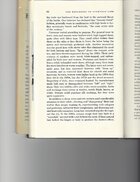
Not sure about the amount of footwear in the closet but in one of my books I found this which says they did go barefoot!:
 

Attachments

  • Barefoot.jpg
    Barefoot.jpg
    281.5 KB · Views: 135
  • Barefoot book cover.jpg
    Barefoot book cover.jpg
    161.6 KB · Views: 133
I've read a number of first person accounts from Union soldiers reflecting on the conditions of poor Southerners, and the lack of shoes is frequently mentioned, both among children and women, black and white. Here's one amazing account of a refugee camp for displaced Southerners in Stevenson, AL:

Our government established extensive camps for these war-stricken Southerners.

Curious to see these people I spent a day in camp at Stevenson. I saw hundreds of tall, gaunt, frouzy-headed, snuff-dipping, pipe-smoking, unclean women. Some were clad in home-spun stuffs, others in calico, others in bagging. Many of them were unshod. There were hundreds and hundreds of vermin-infested and supremely dirty children in the camp. Some families lived in tents, some in flimsy barracks. All lived in discomfort. All drew rations from the government. All were utterly poor. It seemed that they were too poor to ever again get a start in life. Haggard, wind- and sun-and storm-burnt women, their gaunt forms showing plainly through their rags, sat, or lolled, or stood in groups, talking drawlingly. Their features were as expressionless as wood, their eyes lustreless. I talked to many of these women. All told stories of murder, of arson, of blood-curdling scenes. One, gray-eyed, bony, square-jawed, barefooted, forty years old, clad in a dirty, ragged, homespun dress, sat on a log outside of a tent sucking a corn-cob pipe. Her tow-headed children played around her. She told me that before the war she and her husband owned a mountain farm, where they lived in comfort ; that they owned horses, cattle, and pigs, and raised plenty of
corn and tobacco. One day her husband, who was a Union man, was shot dead as he stood by her side in the door of their house. She buried him in a grave she dug herself. She and her children tended the crops. These were burned shortly after they gathered them. Then her swine were stolen, and her cows and horse driven off. Finally her oldest son, a boy of fourteen, was shot dead at the spring, and her house and barn were burned in broad daylight, and she and her children were left homeless and without food on a desolate mountain side. Many of her neighbors had been burned out the same day. They joined forces and wandered down the mountain, hungry, cold, with little children tugging at women's dresses, to a Union camp. From there they had been sent to Stevenson.

-Frank Wilkeson, Recollections of a private soldier in the Army of the Potomac
https://archive.org/details/recollectionsofp00wilk
 
I've read a number of first person accounts from Union soldiers reflecting on the conditions of poor Southerners, and the lack of shoes is frequently mentioned, both among children and women, black and white. Here's one amazing account of a refugee camp for displaced Southerners in Stevenson, AL:

Our government established extensive camps for these war-stricken Southerners.

Curious to see these people I spent a day in camp at Stevenson. I saw hundreds of tall, gaunt, frouzy-headed, snuff-dipping, pipe-smoking, unclean women. Some were clad in home-spun stuffs, others in calico, others in bagging. Many of them were unshod. There were hundreds and hundreds of vermin-infested and supremely dirty children in the camp. Some families lived in tents, some in flimsy barracks. All lived in discomfort. All drew rations from the government. All were utterly poor. It seemed that they were too poor to ever again get a start in life. Haggard, wind- and sun-and storm-burnt women, their gaunt forms showing plainly through their rags, sat, or lolled, or stood in groups, talking drawlingly. Their features were as expressionless as wood, their eyes lustreless. I talked to many of these women. All told stories of murder, of arson, of blood-curdling scenes. One, gray-eyed, bony, square-jawed, barefooted, forty years old, clad in a dirty, ragged, homespun dress, sat on a log outside of a tent sucking a corn-cob pipe. Her tow-headed children played around her. She told me that before the war she and her husband owned a mountain farm, where they lived in comfort ; that they owned horses, cattle, and pigs, and raised plenty of
corn and tobacco. One day her husband, who was a Union man, was shot dead as he stood by her side in the door of their house. She buried him in a grave she dug herself. She and her children tended the crops. These were burned shortly after they gathered them. Then her swine were stolen, and her cows and horse driven off. Finally her oldest son, a boy of fourteen, was shot dead at the spring, and her house and barn were burned in broad daylight, and she and her children were left homeless and without food on a desolate mountain side. Many of her neighbors had been burned out the same day. They joined forces and wandered down the mountain, hungry, cold, with little children tugging at women's dresses, to a Union camp. From there they had been sent to Stevenson.

-Frank Wilkeson, Recollections of a private soldier in the Army of the Potomac
https://archive.org/details/recollectionsofp00wilk
I guess one has to make the distinction between "utterly poor" and lower working class for their reenactment.
 

Learn About Us
About CivilWarTalk
Contact the Webmaster
Meet the Staff
Link to CivilWarTalk
Join Our Community
Register
Browse Forums
View Today's Discussions
Search the Forum
Get Help
FAQ
Student Guide
Forum Rules & Etiquette
Copyright / DMCA

     Contact Us CivilwarTalk on Facebook CivilWarTalk on YouTube CivilWarTalk on Twitter RSS Feed

Bringing the American Civil War and More to Life.
© 1999 - , CIVILWARTALK, LLC - Site Version 10.0

SlaveryTalk.com - SecessionTalk.com - CivilWarTalk.com - ReconstructionTalk.com
Back
Top