
SandiD
Private
- Joined
- Aug 18, 2021
- Location
- Somewhere in the Hudson Valley
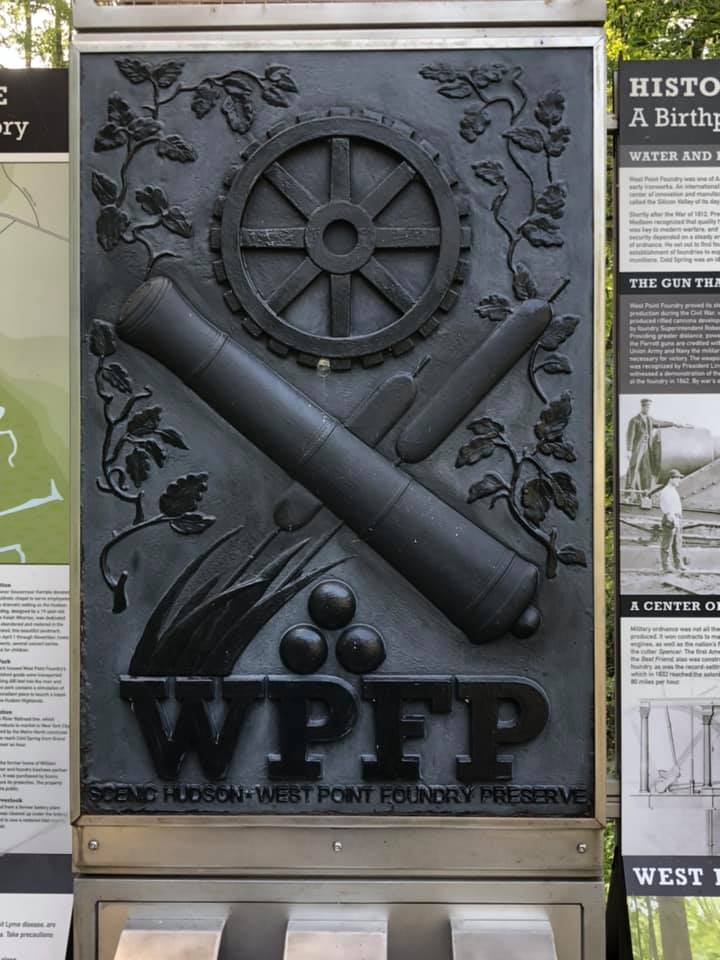
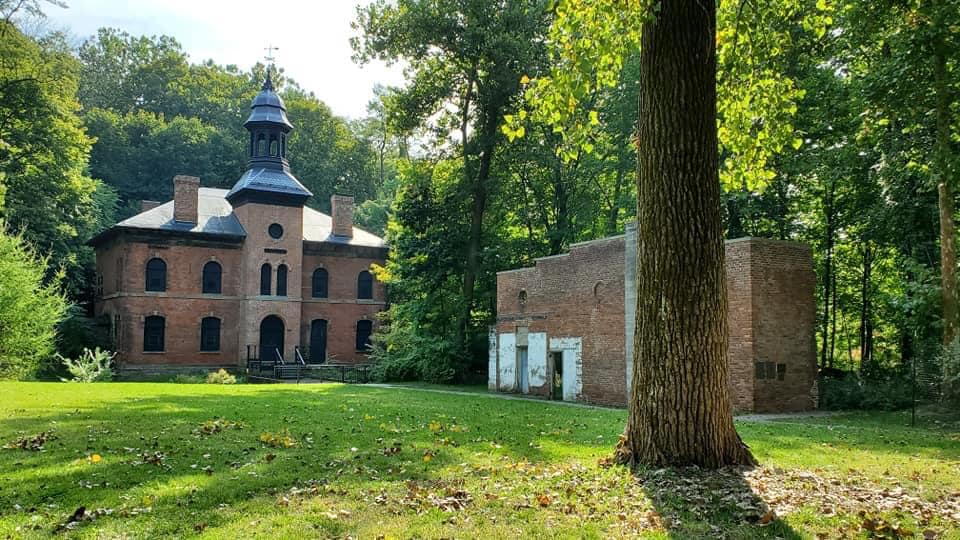
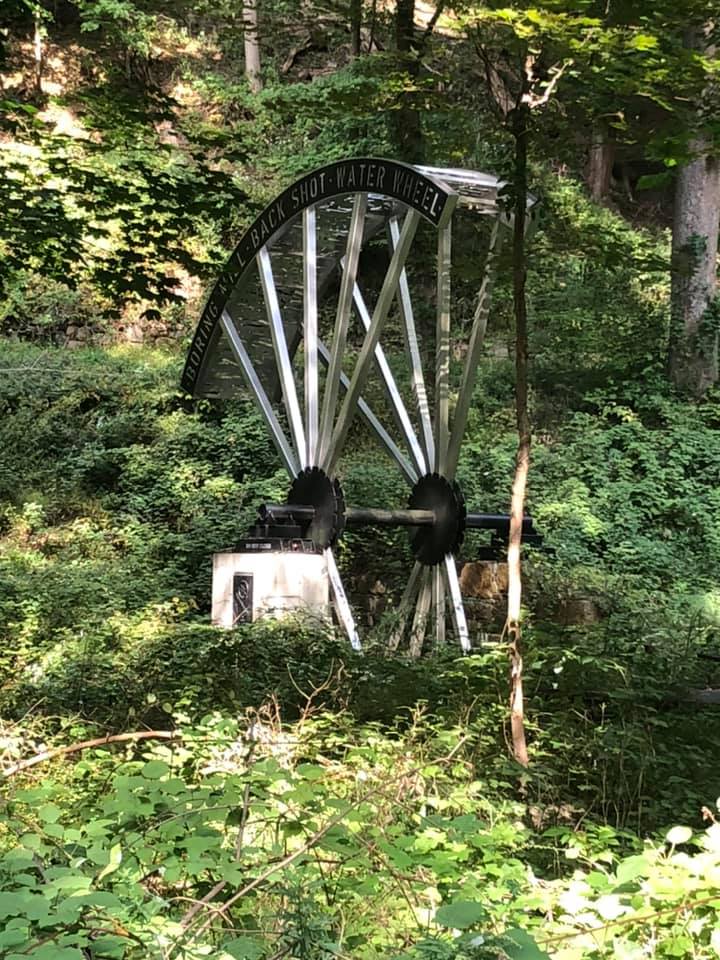
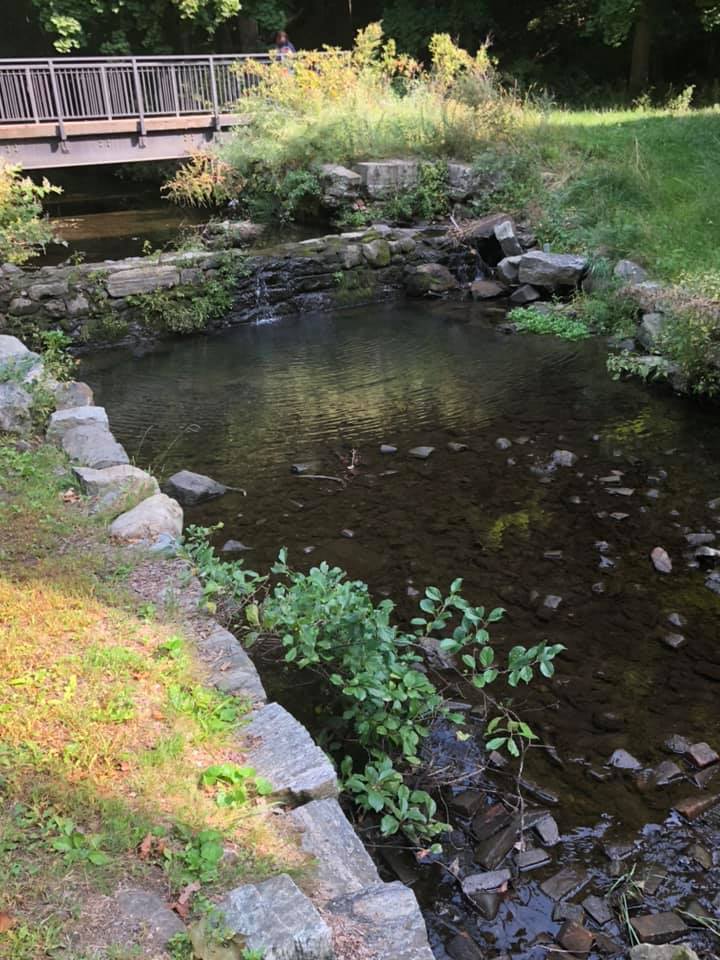
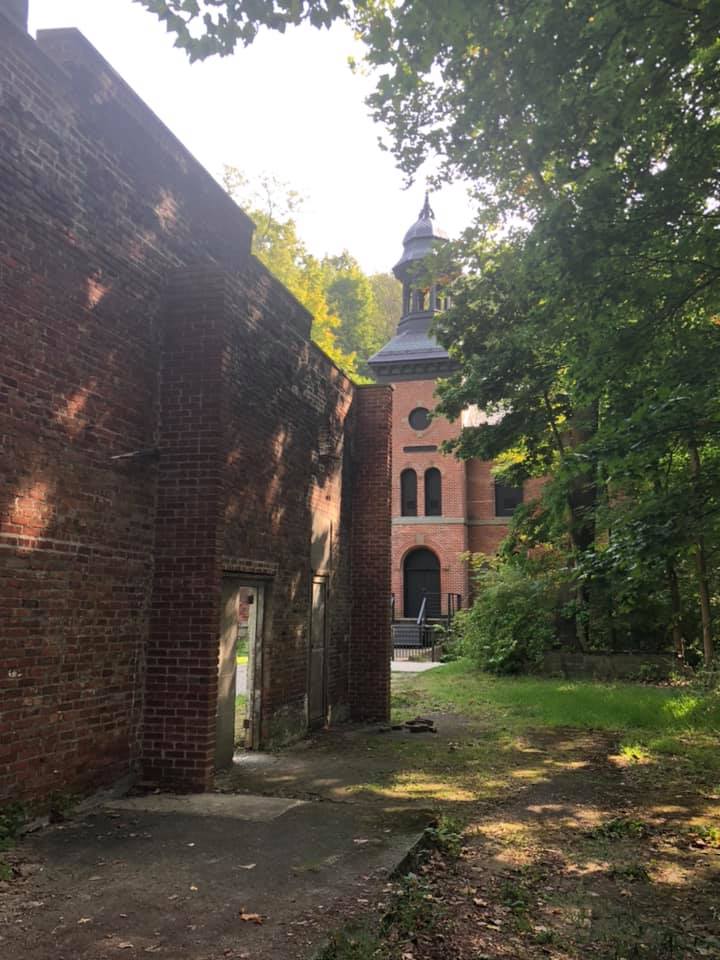
The West Point Foundry, in Cold Spring, NY on the Hudson River operated from 1818 to 1911. Establishment of the foundry was encouraged by President James Madison after the War of 1812. While the foundry manufactured a variety of projects for both civilian and military use, it is most noted for the Parrott Gun and other artillery and munitions during the Civil War.
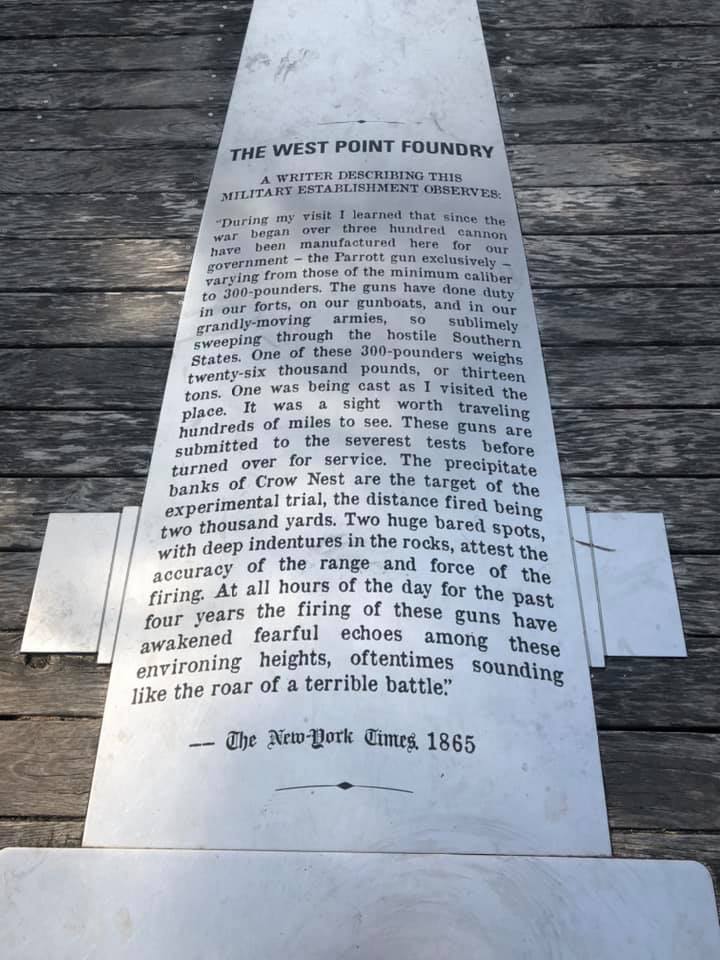
Capt. Robert Parker Parrott (USMA Class of 1824) was appointed the ordnance inspector in 1835. He resigned his commission on 1836 and was appointed superintendent of the foundry. Over the course of his tenure, the foundry prospered with the Parrott gun, which may or may not have been his invention. Writings and information from the foundry suggest it may have been based in part on a British cannon whose design was obtained through industrial espionage and given to Parrott by a captain of the Imperial Russian Navy. During the Civil War, the Foundry engaged in round-the-clock production of several sizes of the Parrott gun-from battlefield cannon to enormous siege guns. By war's end it had manufactured more than 2,500 cannons and three million projectiles. While the distance from the platform to Crow's Nest (a site across the Hudson River from the Foundry) is a little over a mile, the Parrott gun could hit targets up to five miles away with great precision and an armor-piercing velocity of 1,200 feet per second-rendering wooden ships, brick fortifications and cities defenseless. During the Civil War, the foundry employed a workforce of 1,400 people. Parrott resigned in 1867 and the Foundry went into decline due to decreasing need for cast iron and improved manufacturing techniques in other competing foundries.
Across the river in Orange County, NY there were several open pit iron mines and "furnaces" which coincidentally were owned by the Parrott brothers, Robert and Peter. Ore from their mines, as well as other mines in the region was used in the manufacture of the Parrott Gun.


Capt. Robert Parker Parrott (USMA Class of 1824) was appointed the ordnance inspector in 1835. He resigned his commission on 1836 and was appointed superintendent of the foundry. Over the course of his tenure, the foundry prospered with the Parrott gun, which may or may not have been his invention. Writings and information from the foundry suggest it may have been based in part on a British cannon whose design was obtained through industrial espionage and given to Parrott by a captain of the Imperial Russian Navy. During the Civil War, the Foundry engaged in round-the-clock production of several sizes of the Parrott gun-from battlefield cannon to enormous siege guns. By war's end it had manufactured more than 2,500 cannons and three million projectiles. While the distance from the platform to Crow's Nest (a site across the Hudson River from the Foundry) is a little over a mile, the Parrott gun could hit targets up to five miles away with great precision and an armor-piercing velocity of 1,200 feet per second-rendering wooden ships, brick fortifications and cities defenseless. During the Civil War, the foundry employed a workforce of 1,400 people. Parrott resigned in 1867 and the Foundry went into decline due to decreasing need for cast iron and improved manufacturing techniques in other competing foundries.
Across the river in Orange County, NY there were several open pit iron mines and "furnaces" which coincidentally were owned by the Parrott brothers, Robert and Peter. Ore from their mines, as well as other mines in the region was used in the manufacture of the Parrott Gun.
Last edited:

 Forum Host


 Nice pix ! Didn't realize there was any of the foundry left.


 Bringing the