I find it highly unlikely that veteran batteries such as the RILA G & H would have worn the ungainly shako for more than garrison and dress parade. I would even proffer that they were stored in an arsenal with the rest of the surplus gear. Anything is possible, but on campaign trying to keep one of these on while riding a horse or caisson would have been a nightmare.
Case in point, these were only issued to garrison troops according to Lt. Phillip Chase, 1st RILA Battery F
"With the outbreak of war, this cap and plume,
which could hardly have been more unsuitable for
field or combat wear, all but dropped out of sight.
A search of thousands of photographs for the period
1861-1865 has failed to uncover a single picture
of light artillery so uniformed, and a search
of letters emanating from the Office of the Quartermaster
General directing issues of such indicates
that but few were sent to the troops. Lt. Philip S.
Chase, 1st Rhode Island Light Artillery, said that
it was rare for a volunteer unit to receive the cap
and plume and that he saw very few of them during
the war." (171) p. 23
"In fact, the issues made during the period were confined to units in garrison at established posts." (188) p. 23
Source: United States Army Headgear 1855-1902 Catalog of US Army Uniforms in the Collection of The Smithsonian Institution II by Edgar M. Howell
In fact clothing returns for both batteries show that they were issued both the hardee and 1858 forage cap, but nowhere does it show the ungainly Artillery shako.
There may have been some "Heavies", pulled from the forts of Washington that may have had them briefly during the Petersburg campaign, but shakos are not fun to wear at anytime. I wore a repro 1851 for 1st Manassas one year and it did not last very long and I switched to a wheel cap.
As a collector of ACW headgear, I have omitted this piece from the collection as it was deemed ornamental and not field worthy, though it did enjoy more wide acceptance post CW until 1872, at military posts.
I do believe there were some NY LA units that wore them in the later war years in North Carolina, but only on parade.
 Forum Host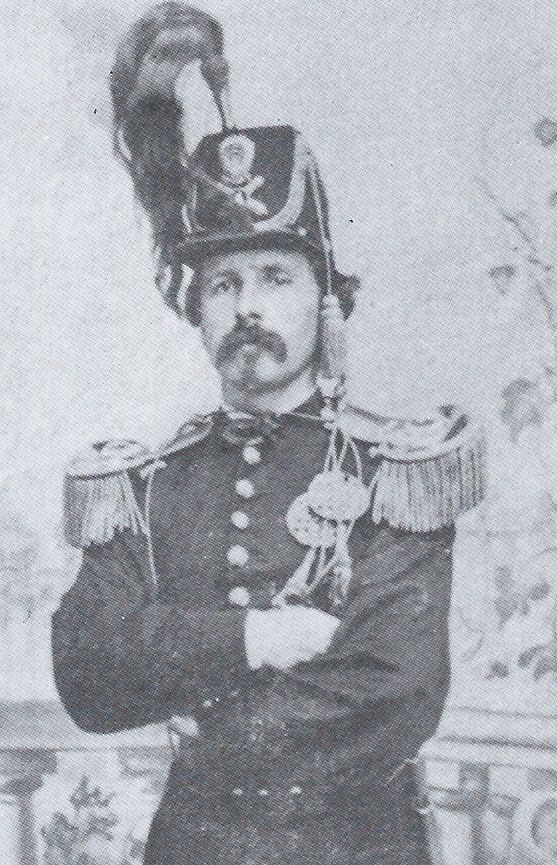


 Bringing the