This "Special Act" seems to involve the period May 29, 1912 to Dec 15, 1913, before Masel died, so wouldn't be affected by either wife. The soldier has to be dead for a widow to enter the picture. Widow's benefits are fixed rate, so there should not be issues about them once the are approved. Increases also were applied automatically, no need for the widow to apply. Here is Regina's widow's pension card. She died after this payment function was transferred away from the VA (this is a Veterans Administration card), so there is no notation of her death on this record.

-
Welcome to CivilWarTalk, a forum about the American Civil War! - Join today! It's fast, simple, and FREE!
You are using an out of date browser. It may not display this or other websites correctly.
You should upgrade or use an alternative browser.
You should upgrade or use an alternative browser.
Need Help Locating Pension File
- Thread starter nancyelizabeth
- Start date

nancyelizabeth
Private
- Joined
- Aug 31, 2016
- Location
- Indiana
Thank you Suzanne. I have looked for widow's info on her but never was successful so I thank you for this. BTW, she passed away in 1944.
When a soldier who has received a pension dies and his widow applies for a widow's pension, she gets her own application number and pension certificate if she's successful, but all of her pension material is included in his file. Probably the intent in the pre-computer era was to keep more than one "widow" from getting a pension arising out of one soldier's service.
Applications by more than one "widow" were not uncommon, sometimes a man did not come to his wife and children after the War -- they thought he was dead or missing as a result of the War and that wife might file for a widow's pension only to find that he had remarried (not validly) and the other wife was receiving his widow's benefits. Both women could be totally ignorant of the real situation.
Other times, women, or more likely people who worked inside the pension process who recruited women to file false claims, discovered the names of dead soldiers without families and applied with false papers claiming a marriage to the soldier and seeking widow's benefits.
I researched a soldier from New York State who was left on the battlefield for dead according to the records of his regiment but he was actually picked up alive by the medical corps and taken to a hospital where he recovered. Meanwhile, his name had been put on the New York Adjutant General's Wall of Fame as one who bravely died in battle (and it's still there). Unfortunately, several New York women filed for benefits claiming falsely to be his widow and the file was flagged for fraud. He had no way of knowing any of this and when he died, his real wife applied for a widows pension (according to my research it was his real wife), but the pension Bureau would not accept her application. In hindsight today, we can see his medical records for the hospital to which he was transported after he was picked up on the battlefield, but apparently either the Pension Bureau didn't look for them or that was not enough for the Pension Bureau to prove he had in fact survived.
So all pension records relating to Regina would be in the Henry Masel file that you are seeking.
According to my research, Regina lived in Brooklyn while Masel was in these soldier's homes. I have no idea what happened to Henry when he was discharged from these homes over and over again. He could have had dementia that is not indicated in the home's records because they deemed it age-related (all dementia in the elderly was then classified as "senile dementia"), not War-related. I also have no idea of Regina's health -- when Henry was in the soldier's home, was she capable of taking care of him at home? Issues of her health were not relevant to her Civil War widow's pension, widows were automatically deemed dependent and incapable of supporting themselves and with very limited opportunity for female employment at that time, it was likely largely true.
The Civil War naturally left many veterans with undiagnosed and untreated PTSD. Many marriages broke up, couples separated or even divorced in large numbers. For the first time in American history as divorce laws expanded post War to be make divorce more accessible to women. It is not unusual to find a husband and wife separated for years because of spousal abuse, alcoholism or drug use, in which case the Bureau must give the widow's pension to the wife on the husband's death if she has not divorced him or remarried. Since it's impossible to prove a negative, and the Pension Bureau was eternally suspicious and anxious to deny as many claims as possible, delay often occurred in granting the widows pension and she may have died before she was able to receive what she was entitled to. In one file, I remember reading a son's affidavit of his father's behavior, absence, alcoholism and abuse in support of his mother's claim. It was quite moving. The widow received her pension but only after years of delay.
I notice in Regina's card, that she applied for the pension a year or less before she received it. Regardless of what her and Henry's situation was, her claim would initially be treated as suspicious as they weren't living together while he was in the soldier's home before his death, but a delay of just one year does not indicate that there were problems.
Without that file, we won't know what she said about their not living together.
As I've mentioned, Regina and Henry evidently had a daughter but she is difficult to track in Brooklyn -- there was a tradition of renters moving annually in the City during these years.
What happened to your ancestor who was the child of Masel's first wife? Is that the daughter in the Soldier's Home record? Did Regina raise him/her?
Applications by more than one "widow" were not uncommon, sometimes a man did not come to his wife and children after the War -- they thought he was dead or missing as a result of the War and that wife might file for a widow's pension only to find that he had remarried (not validly) and the other wife was receiving his widow's benefits. Both women could be totally ignorant of the real situation.
Other times, women, or more likely people who worked inside the pension process who recruited women to file false claims, discovered the names of dead soldiers without families and applied with false papers claiming a marriage to the soldier and seeking widow's benefits.
I researched a soldier from New York State who was left on the battlefield for dead according to the records of his regiment but he was actually picked up alive by the medical corps and taken to a hospital where he recovered. Meanwhile, his name had been put on the New York Adjutant General's Wall of Fame as one who bravely died in battle (and it's still there). Unfortunately, several New York women filed for benefits claiming falsely to be his widow and the file was flagged for fraud. He had no way of knowing any of this and when he died, his real wife applied for a widows pension (according to my research it was his real wife), but the pension Bureau would not accept her application. In hindsight today, we can see his medical records for the hospital to which he was transported after he was picked up on the battlefield, but apparently either the Pension Bureau didn't look for them or that was not enough for the Pension Bureau to prove he had in fact survived.
So all pension records relating to Regina would be in the Henry Masel file that you are seeking.
According to my research, Regina lived in Brooklyn while Masel was in these soldier's homes. I have no idea what happened to Henry when he was discharged from these homes over and over again. He could have had dementia that is not indicated in the home's records because they deemed it age-related (all dementia in the elderly was then classified as "senile dementia"), not War-related. I also have no idea of Regina's health -- when Henry was in the soldier's home, was she capable of taking care of him at home? Issues of her health were not relevant to her Civil War widow's pension, widows were automatically deemed dependent and incapable of supporting themselves and with very limited opportunity for female employment at that time, it was likely largely true.
The Civil War naturally left many veterans with undiagnosed and untreated PTSD. Many marriages broke up, couples separated or even divorced in large numbers. For the first time in American history as divorce laws expanded post War to be make divorce more accessible to women. It is not unusual to find a husband and wife separated for years because of spousal abuse, alcoholism or drug use, in which case the Bureau must give the widow's pension to the wife on the husband's death if she has not divorced him or remarried. Since it's impossible to prove a negative, and the Pension Bureau was eternally suspicious and anxious to deny as many claims as possible, delay often occurred in granting the widows pension and she may have died before she was able to receive what she was entitled to. In one file, I remember reading a son's affidavit of his father's behavior, absence, alcoholism and abuse in support of his mother's claim. It was quite moving. The widow received her pension but only after years of delay.
I notice in Regina's card, that she applied for the pension a year or less before she received it. Regardless of what her and Henry's situation was, her claim would initially be treated as suspicious as they weren't living together while he was in the soldier's home before his death, but a delay of just one year does not indicate that there were problems.
Without that file, we won't know what she said about their not living together.
As I've mentioned, Regina and Henry evidently had a daughter but she is difficult to track in Brooklyn -- there was a tradition of renters moving annually in the City during these years.
What happened to your ancestor who was the child of Masel's first wife? Is that the daughter in the Soldier's Home record? Did Regina raise him/her?
nancyelizabeth
Private
- Joined
- Aug 31, 2016
- Location
- Indiana
Suzanne,When a soldier who has received a pension dies and his widow applies for a widow's pension, she gets her own application number and pension certificate if she's successful, but all of her pension material is included in his file. Probably the intent in the pre-computer era was to keep more than one "widow" from getting a pension arising out of one soldier's service.
Applications by more than one "widow" were not uncommon, sometimes a man did not come to his wife and children after the War -- they thought he was dead or missing as a result of the War and that wife might file for a widow's pension only to find that he had remarried (not validly) and the other wife was receiving his widow's benefits. Both women could be totally ignorant of the real situation.
Other times, women, or more likely people who worked inside the pension process who recruited women to file false claims, discovered the names of dead soldiers without families and applied with false papers claiming a marriage to the soldier and seeking widow's benefits.
I researched a soldier from New York State who was left on the battlefield for dead according to the records of his regiment but he was actually picked up alive by the medical corps and taken to a hospital where he recovered. Meanwhile, his name had been put on the New York Adjutant General's Wall of Fame as one who bravely died in battle (and it's still there). Unfortunately, several New York women filed for benefits claiming falsely to be his widow and the file was flagged for fraud. He had no way of knowing any of this and when he died, his real wife applied for a widows pension (according to my research it was his real wife), but the pension Bureau would not accept her application. In hindsight today, we can see his medical records for the hospital to which he was transported after he was picked up on the battlefield, but apparently either the Pension Bureau didn't look for them or that was not enough for the Pension Bureau to prove he had in fact survived.
So all pension records relating to Regina would be in the Henry Masel file that you are seeking.
According to my research, Regina lived in Brooklyn while Masel was in these soldier's homes. I have no idea what happened to Henry when he was discharged from these homes over and over again. He could have had dementia that is not indicated in the home's records because they deemed it age-related (all dementia in the elderly was then classified as "senile dementia"), not War-related. I also have no idea of Regina's health -- when Henry was in the soldier's home, was she capable of taking care of him at home? Issues of her health were not relevant to her Civil War widow's pension, widows were automatically deemed dependent and incapable of supporting themselves and with very limited opportunity for female employment at that time, it was likely largely true.
The Civil War naturally left many veterans with undiagnosed and untreated PTSD. Many marriages broke up, couples separated or even divorced in large numbers. For the first time in American history as divorce laws expanded post War to be make divorce more accessible to women. It is not unusual to find a husband and wife separated for years because of spousal abuse, alcoholism or drug use, in which case the Bureau must give the widow's pension to the wife on the husband's death if she has not divorced him or remarried. Since it's impossible to prove a negative, and the Pension Bureau was eternally suspicious and anxious to deny as many claims as possible, delay often occurred in granting the widows pension and she may have died before she was able to receive what she was entitled to. In one file, I remember reading a son's affidavit of his father's behavior, absence, alcoholism and abuse in support of his mother's claim. It was quite moving. The widow received her pension but only after years of delay.
I notice in Regina's card, that she applied for the pension a year or less before she received it. Regardless of what her and Henry's situation was, her claim would initially be treated as suspicious as they weren't living together while he was in the soldier's home before his death, but a delay of just one year does not indicate that there were problems.
Without that file, we won't know what she said about their not living together.
As I've mentioned, Regina and Henry evidently had a daughter but she is difficult to track in Brooklyn -- there was a tradition of renters moving annually in the City during these years.
What happened to your ancestor who was the child of Masel's first wife? Is that the daughter in the Soldier's Home record? Did Regina raise him/her?
As far as I know, Regina and Henry were living apart...at least for a time. They hadThe family appeared in a local paper reporting on Henry's charge that one of his sons had stolen his horse and wagon.
When a soldier who has received a pension dies and his widow applies for a widow's pension, she gets her own application number and pension certificate if she's successful, but all of her pension material is included in his file. Probably the intent in the pre-computer era was to keep more than one "widow" from getting a pension arising out of one soldier's service.
Applications by more than one "widow" were not uncommon, sometimes a man did not come to his wife and children after the War -- they thought he was dead or missing as a result of the War and that wife might file for a widow's pension only to find that he had remarried (not validly) and the other wife was receiving his widow's benefits. Both women could be totally ignorant of the real situation.
Other times, women, or more likely people who worked inside the pension process who recruited women to file false claims, discovered the names of dead soldiers without families and applied with false papers claiming a marriage to the soldier and seeking widow's benefits.
I researched a soldier from New York State who was left on the battlefield for dead according to the records of his regiment but he was actually picked up alive by the medical corps and taken to a hospital where he recovered. Meanwhile, his name had been put on the New York Adjutant General's Wall of Fame as one who bravely died in battle (and it's still there). Unfortunately, several New York women filed for benefits claiming falsely to be his widow and the file was flagged for fraud. He had no way of knowing any of this and when he died, his real wife applied for a widows pension (according to my research it was his real wife), but the pension Bureau would not accept her application. In hindsight today, we can see his medical records for the hospital to which he was transported after he was picked up on the battlefield, but apparently either the Pension Bureau didn't look for them or that was not enough for the Pension Bureau to prove he had in fact survived.
So all pension records relating to Regina would be in the Henry Masel file that you are seeking.
According to my research, Regina lived in Brooklyn while Masel was in these soldier's homes. I have no idea what happened to Henry when he was discharged from these homes over and over again. He could have had dementia that is not indicated in the home's records because they deemed it age-related (all dementia in the elderly was then classified as "senile dementia"), not War-related. I also have no idea of Regina's health -- when Henry was in the soldier's home, was she capable of taking care of him at home? Issues of her health were not relevant to her Civil War widow's pension, widows were automatically deemed dependent and incapable of supporting themselves and with very limited opportunity for female employment at that time, it was likely largely true.
The Civil War naturally left many veterans with undiagnosed and untreated PTSD. Many marriages broke up, couples separated or even divorced in large numbers. For the first time in American history as divorce laws expanded post War to be make divorce more accessible to women. It is not unusual to find a husband and wife separated for years because of spousal abuse, alcoholism or drug use, in which case the Bureau must give the widow's pension to the wife on the husband's death if she has not divorced him or remarried. Since it's impossible to prove a negative, and the Pension Bureau was eternally suspicious and anxious to deny as many claims as possible, delay often occurred in granting the widows pension and she may have died before she was able to receive what she was entitled to. In one file, I remember reading a son's affidavit of his father's behavior, absence, alcoholism and abuse in support of his mother's claim. It was quite moving. The widow received her pension but only after years of delay.
I notice in Regina's card, that she applied for the pension a year or less before she received it. Regardless of what her and Henry's situation was, her claim would initially be treated as suspicious as they weren't living together while he was in the soldier's home before his death, but a delay of just one year does not indicate that there were problems.
Without that file, we won't know what she said about their not living together.
As I've mentioned, Regina and Henry evidently had a daughter but she is difficult to track in Brooklyn -- there was a tradition of renters moving annually in the City during these years.
What happened to your ancestor who was the child of Masel's first wife? Is that the daughter in the Soldier's Home record? Did Regina raise him/her?
Suzanne,
First let me say your knowledge is astounding! And I so appreciate your help with this. Everytime you answer, I have more food for thought. Let me add some missing information since my computer is up and running. I often have connection troubles but we are good tonight.
Henry was born in Manhattan on Pitt St in 1843. He married my GG, Anna Herzog sometime around 1866 or so. I have no record on the date but they had 5 children together. As I mentioned, Anna died right after the birth of their 5th child in about 1885. They were living in Brooklyn in Williamsburgh/Bushwick area.
Henry then married Regina (sometimes mistakenly appearing as Rachael) a year or so following the death of my GG. Henry and Regina had at least 4 more children as well as a previous son from Regina's first marriage and one from Henry's.
To answer your question, the daughter you ask of is my Great Grandmother Katie Bohl (mistakenly called Paul on the Disabled Home information.) She was married at the time of his hospitalization to Martin Bohl. She clearly had some responsibility for him but I don't know why. I suspect there was some bad blood between her and Henry's 2nd wife, Regina which I vaguely remember my grandmother mentioning but I was very little.
You asked whether Regina raised my GG...well my GG was about 16 so she really was old enough to be on her own and she married Martin Bohl in 1887. My GG Katie Masel Bohl died in 1954. I was 6 years old at the time but I do recall meeting her once or twice.
It kills me that the file is lost somewhere or destroyed with potentially rich information in it. Grr!
nancyelizabeth
Private
- Joined
- Aug 31, 2016
- Location
- Indiana
When a soldier who has received a pension dies and his widow applies for a widow's pension, she gets her own application number and pension certificate if she's successful, but all of her pension material is included in his file. Probably the intent in the pre-computer era was to keep more than one "widow" from getting a pension arising out of one soldier's service.
Applications by more than one "widow" were not uncommon, sometimes a man did not come to his wife and children after the War -- they thought he was dead or missing as a result of the War and that wife might file for a widow's pension only to find that he had remarried (not validly) and the other wife was receiving his widow's benefits. Both women could be totally ignorant of the real situation.
Other times, women, or more likely people who worked inside the pension process who recruited women to file false claims, discovered the names of dead soldiers without families and applied with false papers claiming a marriage to the soldier and seeking widow's benefits.
I researched a soldier from New York State who was left on the battlefield for dead according to the records of his regiment but he was actually picked up alive by the medical corps and taken to a hospital where he recovered. Meanwhile, his name had been put on the New York Adjutant General's Wall of Fame as one who bravely died in battle (and it's still there). Unfortunately, several New York women filed for benefits claiming falsely to be his widow and the file was flagged for fraud. He had no way of knowing any of this and when he died, his real wife applied for a widows pension (according to my research it was his real wife), but the pension Bureau would not accept her application. In hindsight today, we can see his medical records for the hospital to which he was transported after he was picked up on the battlefield, but apparently either the Pension Bureau didn't look for them or that was not enough for the Pension Bureau to prove he had in fact survived.
So all pension records relating to Regina would be in the Henry Masel file that you are seeking.
According to my research, Regina lived in Brooklyn while Masel was in these soldier's homes. I have no idea what happened to Henry when he was discharged from these homes over and over again. He could have had dementia that is not indicated in the home's records because they deemed it age-related (all dementia in the elderly was then classified as "senile dementia"), not War-related. I also have no idea of Regina's health -- when Henry was in the soldier's home, was she capable of taking care of him at home? Issues of her health were not relevant to her Civil War widow's pension, widows were automatically deemed dependent and incapable of supporting themselves and with very limited opportunity for female employment at that time, it was likely largely true.
The Civil War naturally left many veterans with undiagnosed and untreated PTSD. Many marriages broke up, couples separated or even divorced in large numbers. For the first time in American history as divorce laws expanded post War to be make divorce more accessible to women. It is not unusual to find a husband and wife separated for years because of spousal abuse, alcoholism or drug use, in which case the Bureau must give the widow's pension to the wife on the husband's death if she has not divorced him or remarried. Since it's impossible to prove a negative, and the Pension Bureau was eternally suspicious and anxious to deny as many claims as possible, delay often occurred in granting the widows pension and she may have died before she was able to receive what she was entitled to. In one file, I remember reading a son's affidavit of his father's behavior, absence, alcoholism and abuse in support of his mother's claim. It was quite moving. The widow received her pension but only after years of delay.
I notice in Regina's card, that she applied for the pension a year or less before she received it. Regardless of what her and Henry's situation was, her claim would initially be treated as suspicious as they weren't living together while he was in the soldier's home before his death, but a delay of just one year does not indicate that there were problems.
Without that file, we won't know what she said about their not living together.
As I've mentioned, Regina and Henry evidently had a daughter but she is difficult to track in Brooklyn -- there was a tradition of renters moving annually in the City during these years.
What happened to your ancestor who was the child of Masel's first wife? Is that the daughter in the Soldier's Home record? Did Regina raise him/her?
nancyelizabeth
Private
- Joined
- Aug 31, 2016
- Location
- Indiana
This shows there was trouble in that marriage but I suspect that the Civil War played a part in that disintegration.
Whew, that is airing dirty linen in public. Henry's fault -- he sued them or pressed charges for stealing his horse and wagon which he surely had back since the boys were found. I note that Mr and Mrs Mazel live at separate addresses but very close together on Wycoff Ave. I will beg and plead for that file, will do whatever I can. I actually returned from the Archives on Sept 3 so it will be a while before my next trip is scheduled.
In the PTSD vein, I just read an interesting post on civilwartalk which gave me a more gruesome glimpse of the battlefield than I've had through pictures. A woman living with her children and elderly father while her husband was away in the Army got caught up in the Battle of Gettysburg. She has written of the experience in a way that brings those quiet Brady photos to life and we can hears the soldiers' misery as they lay dying with no one to attend them because other work had to be done. Combine that scene with the shock and fear of actually being in the midst of a battle and it would be hard to shake those terrifying and ghastly memories. And for some soldiers, this was all repeated time and again, and the dying weren't strangers, they were friends from home with close ties further forged in combat. Grief must be added to the mix as well.
The thread is Elizabeth Massey Thorn of Gettysburg, in The Ladies Tea section of The Long Dusty Road.
http://civilwartalk.com/threads/elizabeth-masser-thorn-of-gettysburg.96230/
Elizabeth's words begin a few paragraphs down the post.
As to your great grandmother and her stepmother not getting along, that's easy to understand, your grandmother was old enough to be displaced in the household by Regina and she might have had her own ideas of how things should be done and whether she needed to take orders from this newcomer. Of course, it could have been worse than that, but just the situation is enough to breed resentment in both women, especially if Henry was difficult to live with. Your great grandmother would have had no legal responsibility for her father but she may have felt there was no one else. Or maybe she had to keep bringing him back to the home.
Was that clipping from the Brooklyn Eagle? Interesting that they would report such matters. I wish we knew the outcome. I wonder if the boys lived with Henry and the girls lived with Regina -- that young boy wanted to be allowed to live with his mother. In any case, either Henry was a very severe man or he's lost control and unleashed a violent temper. It's probable that the young boy was not the only victim.
In the PTSD vein, I just read an interesting post on civilwartalk which gave me a more gruesome glimpse of the battlefield than I've had through pictures. A woman living with her children and elderly father while her husband was away in the Army got caught up in the Battle of Gettysburg. She has written of the experience in a way that brings those quiet Brady photos to life and we can hears the soldiers' misery as they lay dying with no one to attend them because other work had to be done. Combine that scene with the shock and fear of actually being in the midst of a battle and it would be hard to shake those terrifying and ghastly memories. And for some soldiers, this was all repeated time and again, and the dying weren't strangers, they were friends from home with close ties further forged in combat. Grief must be added to the mix as well.
The thread is Elizabeth Massey Thorn of Gettysburg, in The Ladies Tea section of The Long Dusty Road.
http://civilwartalk.com/threads/elizabeth-masser-thorn-of-gettysburg.96230/
Elizabeth's words begin a few paragraphs down the post.
As to your great grandmother and her stepmother not getting along, that's easy to understand, your grandmother was old enough to be displaced in the household by Regina and she might have had her own ideas of how things should be done and whether she needed to take orders from this newcomer. Of course, it could have been worse than that, but just the situation is enough to breed resentment in both women, especially if Henry was difficult to live with. Your great grandmother would have had no legal responsibility for her father but she may have felt there was no one else. Or maybe she had to keep bringing him back to the home.
Was that clipping from the Brooklyn Eagle? Interesting that they would report such matters. I wish we knew the outcome. I wonder if the boys lived with Henry and the girls lived with Regina -- that young boy wanted to be allowed to live with his mother. In any case, either Henry was a very severe man or he's lost control and unleashed a violent temper. It's probable that the young boy was not the only victim.
nancyelizabeth
Private
- Joined
- Aug 31, 2016
- Location
- Indiana
Hi Suzanne,
What a story Elizabeth had to tell! Living on the doorstep of history with all that horror around her. Such a brutal war. But then, I guess they all are. As to the PTSD, I've wondered if Henry suffered from that or if it was his nature to be mean and vindictive. He did go through quite a bit through his life so who knows. I have been checking for books on the subject and I see there is one that has piqued my interest. I have a stack by my bedside so it will be awhile before I take on another. Right now I'm in the middle of reading a small book of Civil War Poetry and Prose by Walt Whitman.
I appreciate your perspective on Regina and my gg, Katie. I see your point and it's always helpful to get another perspective on things. I often miss little details so it helps reading what you've written. I know it was common to remarry quickly when you had small children to raise but you often went from the frying pan to the fire...which Regina might have done. As to the animosity, one of the clues my grandmother gave me came from an old family photo. Part of the photo was torn and she said her mother was in the picture (wedding photo of one of Regina and Henry's daughters) but she ripped out her image. My grandmother is in it and I think it dates to 1913. It was taken on a roof which I guess was quite common in order to get the most out of the lighting. I'll try to upload that.
My grandmother was 57 when I was born. My parents were married in 1929 and I was their only child. I came 18 years into their marriage. I spent every weekend with my grandmother and grandfather and often looked at the old family album. I was probably around 7 or 8 but I took an avid interest in the past.
Anyway, I'm drifting, sorry. The paper with the clipping escapes me...it was either the Eagle or possibly the Brooklyn Daily Union. I will check as I neglected to note that.
Once again, thanks so much. I honestly don't expect Washington to find the file but I am indebted to you for even trying. Whenever you get to go will be fine.
What a story Elizabeth had to tell! Living on the doorstep of history with all that horror around her. Such a brutal war. But then, I guess they all are. As to the PTSD, I've wondered if Henry suffered from that or if it was his nature to be mean and vindictive. He did go through quite a bit through his life so who knows. I have been checking for books on the subject and I see there is one that has piqued my interest. I have a stack by my bedside so it will be awhile before I take on another. Right now I'm in the middle of reading a small book of Civil War Poetry and Prose by Walt Whitman.
I appreciate your perspective on Regina and my gg, Katie. I see your point and it's always helpful to get another perspective on things. I often miss little details so it helps reading what you've written. I know it was common to remarry quickly when you had small children to raise but you often went from the frying pan to the fire...which Regina might have done. As to the animosity, one of the clues my grandmother gave me came from an old family photo. Part of the photo was torn and she said her mother was in the picture (wedding photo of one of Regina and Henry's daughters) but she ripped out her image. My grandmother is in it and I think it dates to 1913. It was taken on a roof which I guess was quite common in order to get the most out of the lighting. I'll try to upload that.
My grandmother was 57 when I was born. My parents were married in 1929 and I was their only child. I came 18 years into their marriage. I spent every weekend with my grandmother and grandfather and often looked at the old family album. I was probably around 7 or 8 but I took an avid interest in the past.
Anyway, I'm drifting, sorry. The paper with the clipping escapes me...it was either the Eagle or possibly the Brooklyn Daily Union. I will check as I neglected to note that.
Once again, thanks so much. I honestly don't expect Washington to find the file but I am indebted to you for even trying. Whenever you get to go will be fine.
nancyelizabeth
Private
- Joined
- Aug 31, 2016
- Location
- Indiana
nancyelizabeth
Private
- Joined
- Aug 31, 2016
- Location
- Indiana
In the wedding photo my grandmother is top right, last person...my gg cut herself out of the photo. I believe that is Henry in the front and Regina on the right (w/bouquet in her belt).
Last edited:
nancyelizabeth
Private
- Joined
- Aug 31, 2016
- Location
- Indiana
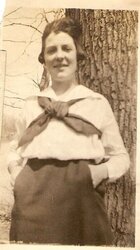
Thank you for sharing your wonderful photos, it was a pleasure to see them. I was fascinated with the shooting family photos on the roof, what a great idea! I'm a transplant New Yorker but this is where I belong. I live under a flat roof in a 5 story building, it makes for a very hot summer. We tenants aren't allowed on the roof, but I know that years ago, people used their roofs all the time. I see that the flat roof in your photo has a sort of deck with spaced planking added so people up there aren't going to get tar on them when they use it, another great idea. Not only was there light on the roof but the rooms in these 19th C buildings weren't big enough to hold all those people and a photographer standing far enough back to get them all in the shot.
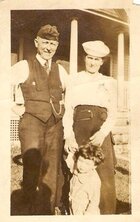
That last photo is a nice one too, is he in an Army cap and she in a sailor's cap? I doubt she ran around town in that hat, I wonder what was the occasion. I wonder if it had to do with WWI, maybe they were honoring a soldier and a sailor in the family who was serving? The clothing in both of those photos (wedding and this one) look like the time period is verging on the radical fashion changes of the 1920's, but not there yet. The wedding photo also seems earlier, but not too much earlier.
In the wedding photo, don't you love the two little old ladies on the left, one just peeking her head out? Don't you wish you could tap on the photo, bring the people to life and interview them? That group on the left there look like miniatures compared to the rest of the crowd. I wonder if that's caused to some extent by the lens.
I have my doubts about Henry being in that photo. If he was even alive, he'd been living in the Old Soldiers Home (sporadically) for a long time, and I don't think he was welcome in the family in Brooklyn, especially since Regina was not the contact person at the Home.
Those black and blue bruises on the 14 year old boy Stephen Masel's arms described on the clipping are likely defensive wounds. He put his arms up to shield his face and head while he being repeatedly whipped or beaten with some kind of stick or other weapon. Not good. By 1896, Henry might have been losing it.
I found Stephen/ Steven in the 1900 census, supposedly living with Regina and Henry ("supposedly" because I think it possible Henry wasn't really living there) and some Herzog children (Regina's from 1st marriage). The date of that clipping must be about 1896 because Steven is 14 and he's 18 in the 1900 census. Steven must be the son of your gggrandmother Anna, not Regina. Actually, I found Henry and Regina's NYC marriage record and they were married Sept 12, 1885. So Steven was definitely not Regina's son.
I notice that in the clipping Henry's stepson, hence Regina's son, is identified as Frank Herzog. Was Regina the sister-in-law of Anna Herzog, Henry's first wife? Look at the 1900 census. In that census Steven is living with Henry (if he was living there) and Regina. There are two other Masel children, Henry and Caroline, they are clearly the children of Henry and Regina. Thereafter in the same household are Regina's Herzog children. Frank Herzog, of the newspaper clipping, 20, his wife Minnie 19, John Herzog 19 and Ernest Herzog 15 (possibly b in 1884). Is it possible that Regina had only one girl, Caroline Masel, and four boys, Frank, John & Ernest Herzog and Henry Masel? Nothing else is consistent with the censuses.
In the 1900 and 1910 censuses, women were asked how many live children they gave birth to and of that number, how many were living on the census day. In the 1900 census, Regina reports giving birth to 6 with 5 living that day (that would be all five of her Herzog and Masel children named on that census. This does indicate that she had a child, whether with Masel or Herzog we don't know, who died.
In the 1910 census, she lists only 5 births and 5 living children and she is living only with her Masel children Henry and Caroline.
Do you know Regina's maiden name? If not maybe I can get a peek at that 1885 marriage record down town -- I don't know if they asked the spouses' parents' names in 1885, they did do that here later on, I have it records from 1910. Let me know.
So let's look at this marriage now in 1885.
I don't know how many children Henry brought to the marriage but one was very young. New wife Regina might have been an in-law married to Henry's first wife's brother, and she brought to the marriage three sons of her first marriage, one of them, Ernest, still a baby. To top it off. Regina was born in Germany, possibly Bavaria, and she came to this country in 1868, probably about 13. She was naturalized in 1881, while married to Mr Herzog.
So a lot of displacement and culture shock was going on when those two became the Brady bunch and combined households. I don't think one needs to conclude that Regina was a horrible person just because Katie hated her, there are so many other good reasons for her and Katie to resent one another -- possibly Regina had Old World expectations for their household which would go against the grain for Katie. And of course as the new mistress of the house, Regina would expect her word to be law. Or she could have been a really horrible person, also a possibility. I notice that her Masel children lived with her as adults for a while, then her divorced Herzog son John lived with her and then the grandchild of her daughter Caroline Masel Otto lived with her. So her own children don't seem to want to get away from her. That does not mean she and her step daughter would get along.
Knowing each other and both finding themselves in the same situation after the death of their spouses, Henry and Regina might have thought it was a good idea to get together. They might have been wrong about that;-)
This is probably a silly observation, and I get in trouble when I comment on people's family pictures. I don't want to have that happen here, so just speculating here as an outsider without benefit of knowing the people FWIW only.
The man in the photo with the woman in the sailor's hat looks a lot like the man in the wedding photo front row, left of center. He's thin and in good shape so I can't figure out how old he is, that light hair could be blond or red or prematurely grey. Could he be Martin Bohl? Could that wedding be one of Katie and Martin's 3 daughters? The time is about right, they were married in 1887 according to the 1900 census, oldest daughter b. 1889. So between 1910 and 1920 (based on the clothes in the photo) their children were of age to be married.
But it's maybe more likely that girl getting married could also be Regina's only daughter Caroline "Carrie" Masel who married Frederick Otto in June or July in NYC 1913. I looked at the admissions/discharge record at the Disabled Veteran's Home in Steuben, NY and it looks like Henry Masel was in residence there from March 1913 to a date that looks like January 1913 to me, but that couldn't be right. Is that Jan 1914 or is it June or July 1913? Possibly Henry could not have been at the wedding.
I read a couple of public family trees on Ancestry when I couldn't find Henry Masel in 1870 or 1880 censuses. Was he really written up as Marshall? Did they bring a census enumerator in from Mississippi or the MidWest to do this job in Brooklyn? It doesn't appear that the family ever changed its name to Marshall, so it must just be a census taker's phonetic spelling if this is the right family? What's the story?
Interesting.
That last photo is a nice one too, is he in an Army cap and she in a sailor's cap? I doubt she ran around town in that hat, I wonder what was the occasion. I wonder if it had to do with WWI, maybe they were honoring a soldier and a sailor in the family who was serving? The clothing in both of those photos (wedding and this one) look like the time period is verging on the radical fashion changes of the 1920's, but not there yet. The wedding photo also seems earlier, but not too much earlier.
In the wedding photo, don't you love the two little old ladies on the left, one just peeking her head out? Don't you wish you could tap on the photo, bring the people to life and interview them? That group on the left there look like miniatures compared to the rest of the crowd. I wonder if that's caused to some extent by the lens.
I have my doubts about Henry being in that photo. If he was even alive, he'd been living in the Old Soldiers Home (sporadically) for a long time, and I don't think he was welcome in the family in Brooklyn, especially since Regina was not the contact person at the Home.
Those black and blue bruises on the 14 year old boy Stephen Masel's arms described on the clipping are likely defensive wounds. He put his arms up to shield his face and head while he being repeatedly whipped or beaten with some kind of stick or other weapon. Not good. By 1896, Henry might have been losing it.
I found Stephen/ Steven in the 1900 census, supposedly living with Regina and Henry ("supposedly" because I think it possible Henry wasn't really living there) and some Herzog children (Regina's from 1st marriage). The date of that clipping must be about 1896 because Steven is 14 and he's 18 in the 1900 census. Steven must be the son of your gggrandmother Anna, not Regina. Actually, I found Henry and Regina's NYC marriage record and they were married Sept 12, 1885. So Steven was definitely not Regina's son.
I notice that in the clipping Henry's stepson, hence Regina's son, is identified as Frank Herzog. Was Regina the sister-in-law of Anna Herzog, Henry's first wife? Look at the 1900 census. In that census Steven is living with Henry (if he was living there) and Regina. There are two other Masel children, Henry and Caroline, they are clearly the children of Henry and Regina. Thereafter in the same household are Regina's Herzog children. Frank Herzog, of the newspaper clipping, 20, his wife Minnie 19, John Herzog 19 and Ernest Herzog 15 (possibly b in 1884). Is it possible that Regina had only one girl, Caroline Masel, and four boys, Frank, John & Ernest Herzog and Henry Masel? Nothing else is consistent with the censuses.
In the 1900 and 1910 censuses, women were asked how many live children they gave birth to and of that number, how many were living on the census day. In the 1900 census, Regina reports giving birth to 6 with 5 living that day (that would be all five of her Herzog and Masel children named on that census. This does indicate that she had a child, whether with Masel or Herzog we don't know, who died.
In the 1910 census, she lists only 5 births and 5 living children and she is living only with her Masel children Henry and Caroline.
Do you know Regina's maiden name? If not maybe I can get a peek at that 1885 marriage record down town -- I don't know if they asked the spouses' parents' names in 1885, they did do that here later on, I have it records from 1910. Let me know.
So let's look at this marriage now in 1885.
I don't know how many children Henry brought to the marriage but one was very young. New wife Regina might have been an in-law married to Henry's first wife's brother, and she brought to the marriage three sons of her first marriage, one of them, Ernest, still a baby. To top it off. Regina was born in Germany, possibly Bavaria, and she came to this country in 1868, probably about 13. She was naturalized in 1881, while married to Mr Herzog.
So a lot of displacement and culture shock was going on when those two became the Brady bunch and combined households. I don't think one needs to conclude that Regina was a horrible person just because Katie hated her, there are so many other good reasons for her and Katie to resent one another -- possibly Regina had Old World expectations for their household which would go against the grain for Katie. And of course as the new mistress of the house, Regina would expect her word to be law. Or she could have been a really horrible person, also a possibility. I notice that her Masel children lived with her as adults for a while, then her divorced Herzog son John lived with her and then the grandchild of her daughter Caroline Masel Otto lived with her. So her own children don't seem to want to get away from her. That does not mean she and her step daughter would get along.
Knowing each other and both finding themselves in the same situation after the death of their spouses, Henry and Regina might have thought it was a good idea to get together. They might have been wrong about that;-)
This is probably a silly observation, and I get in trouble when I comment on people's family pictures. I don't want to have that happen here, so just speculating here as an outsider without benefit of knowing the people FWIW only.
The man in the photo with the woman in the sailor's hat looks a lot like the man in the wedding photo front row, left of center. He's thin and in good shape so I can't figure out how old he is, that light hair could be blond or red or prematurely grey. Could he be Martin Bohl? Could that wedding be one of Katie and Martin's 3 daughters? The time is about right, they were married in 1887 according to the 1900 census, oldest daughter b. 1889. So between 1910 and 1920 (based on the clothes in the photo) their children were of age to be married.
But it's maybe more likely that girl getting married could also be Regina's only daughter Caroline "Carrie" Masel who married Frederick Otto in June or July in NYC 1913. I looked at the admissions/discharge record at the Disabled Veteran's Home in Steuben, NY and it looks like Henry Masel was in residence there from March 1913 to a date that looks like January 1913 to me, but that couldn't be right. Is that Jan 1914 or is it June or July 1913? Possibly Henry could not have been at the wedding.
I read a couple of public family trees on Ancestry when I couldn't find Henry Masel in 1870 or 1880 censuses. Was he really written up as Marshall? Did they bring a census enumerator in from Mississippi or the MidWest to do this job in Brooklyn? It doesn't appear that the family ever changed its name to Marshall, so it must just be a census taker's phonetic spelling if this is the right family? What's the story?
Interesting.
nancyelizabeth
Private
- Joined
- Aug 31, 2016
- Location
- Indiana
Hi Suzanne,
You are an excellent detective! In fact, you don't even get confused...which I unfortunately do. I blame it on my Lupus
Let me try to answer your questions:
The photo of Martin and Katie with the child is undated. I initially thought that it might be around 1906 but the cap might be WWI so that doesn't make sense. I've asked my husband about the cap but he didn't recognize it. I thought that perhaps it was Armistice Day or Decoration Day and perhaps had involved a parade? That cap has me puzzled. I wondered if the sailor cap belonged to the child?
The wedding photo is also a mystery. I always thought it was my other ggrandparents, Marquard and Anna Bohl. Marquard Bohl was born in Konstanz Germany in 1818 and immigrated in 1854. He served with the 52nd NYI from the start of the war till March of 1862 when he fell ill in the Washington DC area. He was hospitalized at Fairfax Seminary Hosp and then discharged. Their son, my ggrandfather Martin Bohl was born in 1866 in Brooklyn.
The reason I told you I thought it was Henry and Regina Masel was because I had the photo analyzed for a date by Maureen Taylor and she felt that it dated to around 1910-13. Since Marquard Bohl died in 1896 and Carrie Masel married in 1913, I jumped to that conclusion. Perhaps that was too hasty. Hope I'm not confusing you.
The two little old ladies have always caught my attention, too...very much from another era and in a time warp. I so wish I could remember what my grandmother had said regarding the people...so frustrating!!
As to the Disabled Home stays, if you look at the first stay in Maine, it says GSW in left thigh...I said right by mistake. Also during the second admittance to the Home in NY, during the year 1913, he entered in March and was discharged in July ?? Does it look like that to you or is it Sept 1913? Not sure about that. It did look like he suffered from Lumbago but the marking after that diagnosis looks like it it mentions the gun shot wound?
Back to the picture, you mention about Stephen's bruising on his arms. Henry was probably an equal opportunity abuser and perhaps went after Regina as well as the other children.
As to the two wives of Henry (sounds like a shakespeare title..but the number's off I think the Herzog family and the Masel had a connection because Henry did marry Regina who had been married to a Herzog so she was his sister-in-law. Some of their children also married Herzog and Masel children. Interestingly, the Herzog's came from Switzerland and the Masel's somewhere in Bavaria. So I would imagine the connection came from the neighborhood. The Masel's went into carpentry and the Herzog's were tailors.
So getting back to the wedding photo...could it have been Martin? Martin Bohl did have a daughter, Margaret who married in 1914 and he would have been 48 years of age. Does that man look older? And the woman with the bouquet seems old. It can't be Martin's mother because she died in 1906. I don't think it's Martin's wife, Katie because the woman looks too old. Puzzlement!!!
Now as to the Marshall name...I think that Henry's father appears in the census as Marshall. I will put up a couple of census records where it shows their name.
In the 1865 one, Henry and his parents are listed (Henry and Catherine) In the 1875 one Henry is married to Anna also called Maria. She was Anna Maria and sometimes the other way around. But that it them for sure.
Conclusively, I don't know why the shift to Marshall/Masel. It could have been a pronounciation thing and the census taker didn't get it right but it appears in at lease three census records so, I don't know.
Anyway, thank you once again for taking an interest. I was the first in my family to leave Brooklyn. I moved to Long Island in 1971 and then to Indiana in 2006. My grandchildren are out here in the heartland and that is where my heart is as well. Just to tell you a little about me...I was a NYC Special Ed teacher in a public school in Manhattan and my husband is retired from the NYPD. I am 68 and enjoying my retired life quite nicely...travelling and taking the grandchildren along is one of our passions. We get back to NYC once a year and was just there in August. My husband has a reunion of all his old high school football buddies and sadly, there are many missing as the years go by. We don't really miss it as I commuted to Manhattan as did my husband on the LIRR and it took me 4.5 hours a day to go door to door. After 9/11 I began to think about what made me happy and then in 2004, our house on Long Island burned down while we were away in Europe for a long weekend. (I sound like I'm trying to impress with the travelling bit but I'm not). Anyway, all I had left was what I had carried to Luxembourg for that long weekend. My husband was a bit luckier as far as possessions go...all of his important things were downstairs. Most of my family photos were destroyed and the things I had collected on our trips were gone but as you can imagine, we knew what was really important. So after we rebuilt our home and were in it about 1.5 years, we decided to pack it in. It just didn't feel like home anymore and our family was in Indiana.
So there you are, a transplanted New Yorker and here I am...a displaced New Yorker. You should see these people trying to understand anything my husband says with his very thick Brooklyn accent. It's a riot.
Talk to you soon,
Nancy

You are an excellent detective! In fact, you don't even get confused...which I unfortunately do. I blame it on my Lupus
Let me try to answer your questions:
The photo of Martin and Katie with the child is undated. I initially thought that it might be around 1906 but the cap might be WWI so that doesn't make sense. I've asked my husband about the cap but he didn't recognize it. I thought that perhaps it was Armistice Day or Decoration Day and perhaps had involved a parade? That cap has me puzzled. I wondered if the sailor cap belonged to the child?
The wedding photo is also a mystery. I always thought it was my other ggrandparents, Marquard and Anna Bohl. Marquard Bohl was born in Konstanz Germany in 1818 and immigrated in 1854. He served with the 52nd NYI from the start of the war till March of 1862 when he fell ill in the Washington DC area. He was hospitalized at Fairfax Seminary Hosp and then discharged. Their son, my ggrandfather Martin Bohl was born in 1866 in Brooklyn.
The reason I told you I thought it was Henry and Regina Masel was because I had the photo analyzed for a date by Maureen Taylor and she felt that it dated to around 1910-13. Since Marquard Bohl died in 1896 and Carrie Masel married in 1913, I jumped to that conclusion. Perhaps that was too hasty. Hope I'm not confusing you.
The two little old ladies have always caught my attention, too...very much from another era and in a time warp. I so wish I could remember what my grandmother had said regarding the people...so frustrating!!
As to the Disabled Home stays, if you look at the first stay in Maine, it says GSW in left thigh...I said right by mistake. Also during the second admittance to the Home in NY, during the year 1913, he entered in March and was discharged in July ?? Does it look like that to you or is it Sept 1913? Not sure about that. It did look like he suffered from Lumbago but the marking after that diagnosis looks like it it mentions the gun shot wound?
Back to the picture, you mention about Stephen's bruising on his arms. Henry was probably an equal opportunity abuser and perhaps went after Regina as well as the other children.
As to the two wives of Henry (sounds like a shakespeare title..but the number's off
I think the Herzog family and the Masel had a connection because Henry did marry Regina who had been married to a Herzog so she was his sister-in-law. Some of their children also married Herzog and Masel children. Interestingly, the Herzog's came from Switzerland and the Masel's somewhere in Bavaria. So I would imagine the connection came from the neighborhood. The Masel's went into carpentry and the Herzog's were tailors.So getting back to the wedding photo...could it have been Martin? Martin Bohl did have a daughter, Margaret who married in 1914 and he would have been 48 years of age. Does that man look older? And the woman with the bouquet seems old. It can't be Martin's mother because she died in 1906. I don't think it's Martin's wife, Katie because the woman looks too old. Puzzlement!!!
Now as to the Marshall name...I think that Henry's father appears in the census as Marshall. I will put up a couple of census records where it shows their name.
In the 1865 one, Henry and his parents are listed (Henry and Catherine) In the 1875 one Henry is married to Anna also called Maria. She was Anna Maria and sometimes the other way around. But that it them for sure.
Conclusively, I don't know why the shift to Marshall/Masel. It could have been a pronounciation thing and the census taker didn't get it right but it appears in at lease three census records so, I don't know.
Anyway, thank you once again for taking an interest. I was the first in my family to leave Brooklyn. I moved to Long Island in 1971 and then to Indiana in 2006. My grandchildren are out here in the heartland and that is where my heart is as well. Just to tell you a little about me...I was a NYC Special Ed teacher in a public school in Manhattan and my husband is retired from the NYPD. I am 68 and enjoying my retired life quite nicely...travelling and taking the grandchildren along is one of our passions. We get back to NYC once a year and was just there in August. My husband has a reunion of all his old high school football buddies and sadly, there are many missing as the years go by. We don't really miss it as I commuted to Manhattan as did my husband on the LIRR and it took me 4.5 hours a day to go door to door. After 9/11 I began to think about what made me happy and then in 2004, our house on Long Island burned down while we were away in Europe for a long weekend. (I sound like I'm trying to impress with the travelling bit but I'm not). Anyway, all I had left was what I had carried to Luxembourg for that long weekend. My husband was a bit luckier as far as possessions go...all of his important things were downstairs. Most of my family photos were destroyed and the things I had collected on our trips were gone but as you can imagine, we knew what was really important. So after we rebuilt our home and were in it about 1.5 years, we decided to pack it in. It just didn't feel like home anymore and our family was in Indiana.
So there you are, a transplanted New Yorker and here I am...a displaced New Yorker. You should see these people trying to understand anything my husband says with his very thick Brooklyn accent. It's a riot.
Talk to you soon,
Nancy
Attachments
I'm guessing that wedding photo is just the bride's family -- where's the groom? You know how they group people about 50 times at those functions. 1913 is Carrie's wedding and I think that may be the best guess.
Wonderful that you were a teacher. I come from a long line of teachers, practically all the women in my family. My mother taught 5th grade, was a school psychologist and then principal in KS and OK, where my parents were from and where I grew up. My daughter has a masters in education from Vanderbilt, but she likes working with the pre-school ages. She is doing that now. The knack for working with groups of children totally skipped over me, I don't have it and I always knew it. But I do admire teachers.
I'm so sorry you lost all that in the fire. I have a friend who put all the family possessions in storage while they remodeled and when they were ready to move back in, they discovered that their storage unit had been burglarized and even the boxes of family 9photos were taken. It's the kind of loss you need to work to put in perspective and that keeps coming back on you.
Continuing with random thoughts, Martin Bohl "Jr.", son of your grandfather, was born in 1900 and he registered for the WWI draft. I thought it might be easy to see if he served in WWI, like it is to find a Civil War soldier, but it isn't. It does seem that the other boy in that family was too young to serve. I will ask at the Archives how to find out if Martin Jr. served in WWI and I just hope those records weren't burned with the WWII service records. Could one of Martin's older sisters have married a man who served in WWI? I haven't tried to look that up. I'm thinking one might have been Army and one Navy, but maybe the hats aren't intended to be so personal.
Returning to Civil War vet Henry Masel, I see that he has a Brooklyn death certificate (by looking at the index on Ancestry). That Disabled Soldiers Home in Steuben Co. Is many, many miles from Brooklyn. My daughter went to Cornell upstate in Ithaca and on today's interstate highways, it was a 5 1/2 hour drive, Steuben Co is father West, but not as far north, so about the same and of course the trip then much longer. Was someone (your great grandmother?) picking him up and bringing him to Brooklyn when he wasn't present in that Home? If he could manage that, why did he live in the Home at all? The picture is very hard to figure out. I didn't see the GSW on his 2nd Disabled Soldier's Home records at all. The first home seemed to focus on War related injury and illness and the second one on his present conditions. This is consistent with a shift also made in pension law. The GSW might have healed and not been relevant to his disability after 1896.
I guess maybe the answer is that some of those gaps in attendance at the Home might have been hospitalizations and not visits home and they might have brought him home and maybe hospitalized him in Brooklyn for what they knew was his final illness.
I saw Regina Kissner's marriage to John Herzog on 30 Sep 1879 in Ancestry's NYC marriage index. Their oldest son was 20 in 1900, so that makes sense. Is that record right? Don't know if John Herzog was related to Anna Maria, I didn't see him in her household anyhow, but I didn't follow those Herzog families through the years.
I'm going to take a few minutes later on and put up on an Ancestry family tree what I found in my search of your family -- I love looking at the history of New York through people's family trees. My observation on yours is that the Bohls moved from Brooklyn to Queens just as Queens was beginning to develop all those suburb-like communities -- I've seen that move around 1900 or later a few times. When I get that tree done, I'll share it with you, that's the easiest way to exchange records.
You are sure Anna Maria's maiden name was Herzog? Certainly you would know for sure, I ask that only because I can't find any records on that, I can't find a marriage record or a death certificate. There is a marriage record for just Mary Herzog, no groom named, I N 1871, but isn't that too late, wasn't Katie born before that? Could Anna Maria have died outside of NYC/Brooklyn? NYC has a death record for my quiltmaker who died in 1860, so even though Anna Maria died in 1884 or thereabout, there should be a record if she died in Brooklyn or Manhattan. Did the baby she had also die? Stephen/Steven Masel was b. c. 1881 and in the 1900 census he is Henry's youngest child -- did Anna Maria died after having him? There is a death record for a Masel child around 10 months old who died in 1885, could that be Anna Maria's last baby?
I did a great deal of research on some quiltmakers of German descent so I subscribed to the NY German Genealogy Society. They are a great organization (they and another volunteer group digitized all of NYC's birth, marriage and death records, along with other similar activities).
They explained German names recently and said that all given names were equal, the first name was no more important than a middle name. So a child of German descent is just as likely to be called by a middle name as by a first name. I also noticed in my research that Anna for girls and Johann or Johannes for boys were very common traditional first names, also often ignored when they decided what name to actually use in daily life. I found this very helpful information for researchers.
Henry Masel's story presents a subject that I'm not sure anyone has tried to study, how did the service of all those young men in the Civil War affect American society in general over the longer term, as well as their own lives as they returned to civilian life and aged? The usual discussion of the social impact concerns the lack of marriageable men for the generation of women coming of age during the War, and all the othet single women who were widowed or whose spouses were missing at the end of the War. That's probably just the tip of the iceberg, considering what we know now about the lingering effects of traumatic stress resulting from combat or continual exposure to the aftermath of combat.
I know that the divorce rate soared. In the post Civil War period, we start seeing divorces with some frequency for the first time. However, a great deal of that is also attributable to the expansion of divorce law to make it available to women who would no longer automatically lose their children if a divorce were granted. But maybe in thinking that way, I have the cart before the horse.
Also part of the same story would be the CW veterans in these Homes like the one Henry was in. What was their situation and why were they not with family? What lingering and per haps profound impact did the War have on families and on the soldiers who participated for the 50 years afterwards?
Wonderful that you were a teacher. I come from a long line of teachers, practically all the women in my family. My mother taught 5th grade, was a school psychologist and then principal in KS and OK, where my parents were from and where I grew up. My daughter has a masters in education from Vanderbilt, but she likes working with the pre-school ages. She is doing that now. The knack for working with groups of children totally skipped over me, I don't have it and I always knew it. But I do admire teachers.
I'm so sorry you lost all that in the fire. I have a friend who put all the family possessions in storage while they remodeled and when they were ready to move back in, they discovered that their storage unit had been burglarized and even the boxes of family 9photos were taken. It's the kind of loss you need to work to put in perspective and that keeps coming back on you.
Continuing with random thoughts, Martin Bohl "Jr.", son of your grandfather, was born in 1900 and he registered for the WWI draft. I thought it might be easy to see if he served in WWI, like it is to find a Civil War soldier, but it isn't. It does seem that the other boy in that family was too young to serve. I will ask at the Archives how to find out if Martin Jr. served in WWI and I just hope those records weren't burned with the WWII service records. Could one of Martin's older sisters have married a man who served in WWI? I haven't tried to look that up. I'm thinking one might have been Army and one Navy, but maybe the hats aren't intended to be so personal.
Returning to Civil War vet Henry Masel, I see that he has a Brooklyn death certificate (by looking at the index on Ancestry). That Disabled Soldiers Home in Steuben Co. Is many, many miles from Brooklyn. My daughter went to Cornell upstate in Ithaca and on today's interstate highways, it was a 5 1/2 hour drive, Steuben Co is father West, but not as far north, so about the same and of course the trip then much longer. Was someone (your great grandmother?) picking him up and bringing him to Brooklyn when he wasn't present in that Home? If he could manage that, why did he live in the Home at all? The picture is very hard to figure out. I didn't see the GSW on his 2nd Disabled Soldier's Home records at all. The first home seemed to focus on War related injury and illness and the second one on his present conditions. This is consistent with a shift also made in pension law. The GSW might have healed and not been relevant to his disability after 1896.
I guess maybe the answer is that some of those gaps in attendance at the Home might have been hospitalizations and not visits home and they might have brought him home and maybe hospitalized him in Brooklyn for what they knew was his final illness.
I saw Regina Kissner's marriage to John Herzog on 30 Sep 1879 in Ancestry's NYC marriage index. Their oldest son was 20 in 1900, so that makes sense. Is that record right? Don't know if John Herzog was related to Anna Maria, I didn't see him in her household anyhow, but I didn't follow those Herzog families through the years.
I'm going to take a few minutes later on and put up on an Ancestry family tree what I found in my search of your family -- I love looking at the history of New York through people's family trees. My observation on yours is that the Bohls moved from Brooklyn to Queens just as Queens was beginning to develop all those suburb-like communities -- I've seen that move around 1900 or later a few times. When I get that tree done, I'll share it with you, that's the easiest way to exchange records.
You are sure Anna Maria's maiden name was Herzog? Certainly you would know for sure, I ask that only because I can't find any records on that, I can't find a marriage record or a death certificate. There is a marriage record for just Mary Herzog, no groom named, I N 1871, but isn't that too late, wasn't Katie born before that? Could Anna Maria have died outside of NYC/Brooklyn? NYC has a death record for my quiltmaker who died in 1860, so even though Anna Maria died in 1884 or thereabout, there should be a record if she died in Brooklyn or Manhattan. Did the baby she had also die? Stephen/Steven Masel was b. c. 1881 and in the 1900 census he is Henry's youngest child -- did Anna Maria died after having him? There is a death record for a Masel child around 10 months old who died in 1885, could that be Anna Maria's last baby?
I did a great deal of research on some quiltmakers of German descent so I subscribed to the NY German Genealogy Society. They are a great organization (they and another volunteer group digitized all of NYC's birth, marriage and death records, along with other similar activities).
They explained German names recently and said that all given names were equal, the first name was no more important than a middle name. So a child of German descent is just as likely to be called by a middle name as by a first name. I also noticed in my research that Anna for girls and Johann or Johannes for boys were very common traditional first names, also often ignored when they decided what name to actually use in daily life. I found this very helpful information for researchers.
Henry Masel's story presents a subject that I'm not sure anyone has tried to study, how did the service of all those young men in the Civil War affect American society in general over the longer term, as well as their own lives as they returned to civilian life and aged? The usual discussion of the social impact concerns the lack of marriageable men for the generation of women coming of age during the War, and all the othet single women who were widowed or whose spouses were missing at the end of the War. That's probably just the tip of the iceberg, considering what we know now about the lingering effects of traumatic stress resulting from combat or continual exposure to the aftermath of combat.
I know that the divorce rate soared. In the post Civil War period, we start seeing divorces with some frequency for the first time. However, a great deal of that is also attributable to the expansion of divorce law to make it available to women who would no longer automatically lose their children if a divorce were granted. But maybe in thinking that way, I have the cart before the horse.
Also part of the same story would be the CW veterans in these Homes like the one Henry was in. What was their situation and why were they not with family? What lingering and per haps profound impact did the War have on families and on the soldiers who participated for the 50 years afterwards?

Hi Suzanne,
I appreciate your perspective on Regina and my gg, Katie. I see your point and it's always helpful to get another perspective on things. I often miss little details so it helps reading what you've written. I know it was common to remarry quickly when you had small children to raise but you often went from the frying pan to the fire...which Regina might have done. As to the animosity, one of the clues my grandmother gave me came from an old family photo. Part of the photo was torn and she said her mother was in the picture (wedding photo of one of Regina and Henry's daughters) but she ripped out her image. My grandmother is in it and I think it dates to 1913. It was taken on a roof which I guess was quite common in order to get the most out of the lighting. I'll try to upload that.
.
The stories pictures could tell! When I was a girl my grandparents kept my parent's wedding picture on their dresser. Shortly after my parents divorced I walked in and found that my grandfather had blotted my dad out entirely with a blue ballpoint pen.
The photo disappeared somewhere along the way, but I still chuckle thinking about it.
nancyelizabeth
Private
- Joined
- Aug 31, 2016
- Location
- Indiana
Dear Suzanne,
I will get back to you later today but I found this while I was out this morning and wanted to share it. Have you heard of this before?http://www.ancestralfindings.com/ci...-using-them-to-research-your-union-ancestors/
I will get back to you later today but I found this while I was out this morning and wanted to share it. Have you heard of this before?http://www.ancestralfindings.com/ci...-using-them-to-research-your-union-ancestors/
nancyelizabeth
Private
- Joined
- Aug 31, 2016
- Location
- Indiana
Hello again!
I was remiss in mentioning the bombings in Manhattan and to ask how it is going for you. I remember how it was after 9/11 so I'm hoping you are taking things in as much stride as you can muster. Realizing the investigation is just in the beginning phases, I do have to commend the FBI and NYPD for their quick response and putting things on track.
I see your family hails from KS and OK. I worked with lots of teachers in NYC from those two states. I hold them in high regard. I started out in my career as a secretary back in the late 60's and teaching wasn't even a thought for me but life has a way of intervening.
Now to your thoughtful questions:
1. Martin Bohl, Jr. might have served in WWI. I really don't know. I did try looking for his draft info several times but came up with zip. You are right, Frank the brother was too young. Now you also asked about my grandmother's sisters. I recall that Marion (nickname) was married to John Rebar and I do have a photo of him in his uniform. There is information on Ancestry, I think. I'll include a photo if I have it.
2. I don't know how he made it to either Home. I've wondered about that as well...such a journey and if you are sick? I realize I didn't send the right file
So the first one shows his GSW and the second one does show it but it's buried among the lumbago and VV (varicose veins) in right leg.
3. Yes, Regina was married to John Herzog. Those records are correct. I believe that John was the brother or possibly cousin to my gggrandmother, Anna Maria Herzog Masel. She had a brother named Joseph who was born in 1855, a brother named Louis 1857 and Andrew 1854. I honestly feel they are related but I am not sure as I havent delved into it.
This is the 1870 census records which shows Henry Masel (Marshall) living with his parents and his brothers and sisters. Under Henry's name is Anna M...his wife (although not noted on the census). At the bottom you see Babette and Catherine(my ggrandmother) and her sister Babette. Henry and Anna Maria went on to have three more kids, the last one died in childbirth in January of 1885 as did my gggrandmother. I do have her death certificate and the baby's but they are both very scanty. I would have to look for them. I do have them, though. So just to clarify, Stephen was not their last.
Well, that's about it. Hope your day is going well. Talk to you soon!
Nancy
Miesel, Johann Heinrich in tree "leach Family Tree"
 VIEW
VIEW
Name: John Marshall
Age in 1870: 53
Birth Year: abt 1817
Birthplace: Bavaria / Bayern
Home in 1870: Brooklyn Ward 18, Kings, New York
Race: White
Gender: Male
Post Office: Williamsburgh
Value of real estate: View image
Household Members:
Name Age
John Marshall 53
Catherina Marshall 50
Henry T Marshall 26
Anna M Marshall 20
Barbara Marshall 24
Stefan Marshall 18
Jacob Marshall 14
Georg Marshall 11
Herrmann Marshall 8
Babette Marshall 3
Catherine Marshall 1
Source Citation
Year: 1870; Census Place: Brooklyn Ward 18, Kings, New York; Roll: M593_958; Page: 299A; Image: 459125; Family History Library Film: 552457
Source Information
Ancestry.com. 1870 United States Federal Census [database on-line]. Provo, UT, USA: Ancestry.com Operations, Inc., 2009. Images reproduced by FamilySearch.
Original data:
Description
This database is an index to individuals enumerated in the 1870 United States Federal Census, the Ninth Census of the United States. Census takers recorded many details including each person's name, age at last birthday, sex, color; birthplace, occupation, and more. No relationships were shown between members of a household. Additionally, the names of those listed on the population schedule are linked to actual images of the 1870 Federal Census. Learn more...
Henry Masel
Make a Connection
Find others who are researching John Marshall in Public Member Trees
Visit our other sites:
© 1997-2016 AncestryCorporate InformationPrivacyTerms and Conditions
Expired Image Removed
I was remiss in mentioning the bombings in Manhattan and to ask how it is going for you. I remember how it was after 9/11 so I'm hoping you are taking things in as much stride as you can muster. Realizing the investigation is just in the beginning phases, I do have to commend the FBI and NYPD for their quick response and putting things on track.
I see your family hails from KS and OK. I worked with lots of teachers in NYC from those two states. I hold them in high regard. I started out in my career as a secretary back in the late 60's and teaching wasn't even a thought for me but life has a way of intervening.
Now to your thoughtful questions:
1. Martin Bohl, Jr. might have served in WWI. I really don't know. I did try looking for his draft info several times but came up with zip. You are right, Frank the brother was too young. Now you also asked about my grandmother's sisters. I recall that Marion (nickname) was married to John Rebar and I do have a photo of him in his uniform. There is information on Ancestry, I think. I'll include a photo if I have it.
2. I don't know how he made it to either Home. I've wondered about that as well...such a journey and if you are sick? I realize I didn't send the right file
So the first one shows his GSW and the second one does show it but it's buried among the lumbago and VV (varicose veins) in right leg.
3. Yes, Regina was married to John Herzog. Those records are correct. I believe that John was the brother or possibly cousin to my gggrandmother, Anna Maria Herzog Masel. She had a brother named Joseph who was born in 1855, a brother named Louis 1857 and Andrew 1854. I honestly feel they are related but I am not sure as I havent delved into it.
This is the 1870 census records which shows Henry Masel (Marshall) living with his parents and his brothers and sisters. Under Henry's name is Anna M...his wife (although not noted on the census). At the bottom you see Babette and Catherine(my ggrandmother) and her sister Babette. Henry and Anna Maria went on to have three more kids, the last one died in childbirth in January of 1885 as did my gggrandmother. I do have her death certificate and the baby's but they are both very scanty. I would have to look for them. I do have them, though. So just to clarify, Stephen was not their last.
Well, that's about it. Hope your day is going well. Talk to you soon!
Nancy
Miesel, Johann Heinrich in tree "leach Family Tree"
Name: John Marshall
Age in 1870: 53
Birth Year: abt 1817
Birthplace: Bavaria / Bayern
Home in 1870: Brooklyn Ward 18, Kings, New York
Race: White
Gender: Male
Post Office: Williamsburgh
Value of real estate: View image
Household Members:
Name Age
John Marshall 53
Catherina Marshall 50
Henry T Marshall 26
Anna M Marshall 20
Barbara Marshall 24
Stefan Marshall 18
Jacob Marshall 14
Georg Marshall 11
Herrmann Marshall 8
Babette Marshall 3
Catherine Marshall 1
Source Citation
Year: 1870; Census Place: Brooklyn Ward 18, Kings, New York; Roll: M593_958; Page: 299A; Image: 459125; Family History Library Film: 552457
Source Information
Ancestry.com. 1870 United States Federal Census [database on-line]. Provo, UT, USA: Ancestry.com Operations, Inc., 2009. Images reproduced by FamilySearch.
Original data:
- 1870 U.S. census, population schedules. NARA microfilm publication M593, 1,761 rolls. Washington, D.C.: National Archives and Records Administration, n.d.
- Minnesota census schedules for 1870. NARA microfilm publication T132, 13 rolls. Washington, D.C.: National Archives and Records Administration, n.d.
Description
This database is an index to individuals enumerated in the 1870 United States Federal Census, the Ninth Census of the United States. Census takers recorded many details including each person's name, age at last birthday, sex, color; birthplace, occupation, and more. No relationships were shown between members of a household. Additionally, the names of those listed on the population schedule are linked to actual images of the 1870 Federal Census. Learn more...
Henry Masel
Make a Connection
Find others who are researching John Marshall in Public Member Trees
Visit our other sites:
© 1997-2016 AncestryCorporate InformationPrivacyTerms and Conditions
Expired Image Removed
Attachments
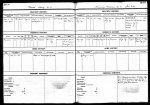
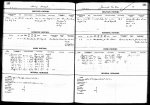
Thanks for all your information. I do get the soldier's medical records at NARA and I'll look for Henry's when I'm there next time. These are what NARA calls the Civil War Carded Medical Records which I've referred to before but probably not on this topic. They are "carded" because they are summaries of the original records, just like the service records we use now are Carded summaries called "Compiled" Service records, again summaries not originals.
Unlike the service records, the carded medical records are not nearly complete for many, many soldiers and sometimes the cards were removed from the medical files and put in either the Pension file or the Service record file, probably by staff of the Pension Bureau. You can see what they're like by looking at my great great grandfather's carded medical records posted on civilwartalk under the thread The,Long Dusty Road >The Ladies Tea>Beyond "Red Rover" Our Nurses Afloat, p.2:
http://civilwartalk.com/threads/beyond-red-rover-our-nurses-afloat.126757/page-2
These are just basically attendance records for hospitals remote from the soldier's regiment -- I don't see field hospitals opetated by the regiments on site in them, any of those notations would be in the service record, I think.
If you're lucky with the Carded Service Records lucky will be a diagnosis. The only treatment I've ever seen noted is amputation and usually you get the dates of presence in the hospital and of discharge or transfer or death. If there are service records for Henry Masal, I would expect to see the gun shot wound, I think his other diagnoses probably came after he left the service, but maybe not -- I have seen many hospitalizations in the Medical Records for the ubiquitous rheumatism, which sometimes meant rheumatic fever, but usually denoted varieties of unspecified joint pain or misery which cannot be translated into a diagnosis in use today.
As I said, I will look for these next visit to NARA, they were already on my list. Do you have his service records? I was planning to get those as well but maybe you have them?
Thanks for the records. I've not been attending to research the last couple of days. Nice of you to inquire about the bombing. Speaking for myself and what I saw on my walks around the area yesterday, New Yorkers haven't panicked about this incident, perhaps because no one died and the bombs didn't completely go off, also it was not a suicide bomber.
We also have a huge investment here in antiterrorist law enforcement. I felt on hearing the first press conference Saturday that they already knew who did it from the video and other surveillance we have in the streets and were already after him. This a.m. I got an Emergency Alert text from the City identifying the suspect, name description and link to photo, described as "armed and dangerous". He was caught in a shoot out in NJ not long after that. Law enforcement seems to think he was not part of a cell, but they don't know, however they don't seem to be looking for more bombs.
Yesterday what really floored me was the highest level of security I've ever seen in the City. In some places the streets were literally lined along the sides with police cars bumper to bumper and the side streets were blocked off with giant Sanitation Dept dump trucks full of wet sand which could probably stop a freight train going 100 mph. All this because Obama is in town and the UN is in session, on top of the bombing. In a way it was encouraging to see that the City had updated its methods.
Maybe we're just jaded, but it just didn't feel like the incidents in Paris or Nice or World Trade Center, there was much less carnage and destruction, law enforcement was on top of it.
On my last post I forgot to mention my devotion to grandchildren also -- two girls who live inside the DC beltway. When I visit DAR or the Archives, I stay at their house and spend time with them.
Unlike the service records, the carded medical records are not nearly complete for many, many soldiers and sometimes the cards were removed from the medical files and put in either the Pension file or the Service record file, probably by staff of the Pension Bureau. You can see what they're like by looking at my great great grandfather's carded medical records posted on civilwartalk under the thread The,Long Dusty Road >The Ladies Tea>Beyond "Red Rover" Our Nurses Afloat, p.2:
http://civilwartalk.com/threads/beyond-red-rover-our-nurses-afloat.126757/page-2
These are just basically attendance records for hospitals remote from the soldier's regiment -- I don't see field hospitals opetated by the regiments on site in them, any of those notations would be in the service record, I think.
If you're lucky with the Carded Service Records lucky will be a diagnosis. The only treatment I've ever seen noted is amputation and usually you get the dates of presence in the hospital and of discharge or transfer or death. If there are service records for Henry Masal, I would expect to see the gun shot wound, I think his other diagnoses probably came after he left the service, but maybe not -- I have seen many hospitalizations in the Medical Records for the ubiquitous rheumatism, which sometimes meant rheumatic fever, but usually denoted varieties of unspecified joint pain or misery which cannot be translated into a diagnosis in use today.
As I said, I will look for these next visit to NARA, they were already on my list. Do you have his service records? I was planning to get those as well but maybe you have them?
Thanks for the records. I've not been attending to research the last couple of days. Nice of you to inquire about the bombing. Speaking for myself and what I saw on my walks around the area yesterday, New Yorkers haven't panicked about this incident, perhaps because no one died and the bombs didn't completely go off, also it was not a suicide bomber.
We also have a huge investment here in antiterrorist law enforcement. I felt on hearing the first press conference Saturday that they already knew who did it from the video and other surveillance we have in the streets and were already after him. This a.m. I got an Emergency Alert text from the City identifying the suspect, name description and link to photo, described as "armed and dangerous". He was caught in a shoot out in NJ not long after that. Law enforcement seems to think he was not part of a cell, but they don't know, however they don't seem to be looking for more bombs.
Yesterday what really floored me was the highest level of security I've ever seen in the City. In some places the streets were literally lined along the sides with police cars bumper to bumper and the side streets were blocked off with giant Sanitation Dept dump trucks full of wet sand which could probably stop a freight train going 100 mph. All this because Obama is in town and the UN is in session, on top of the bombing. In a way it was encouraging to see that the City had updated its methods.
Maybe we're just jaded, but it just didn't feel like the incidents in Paris or Nice or World Trade Center, there was much less carnage and destruction, law enforcement was on top of it.
On my last post I forgot to mention my devotion to grandchildren also -- two girls who live inside the DC beltway. When I visit DAR or the Archives, I stay at their house and spend time with them.
nancyelizabeth
Private
- Joined
- Aug 31, 2016
- Location
- Indiana
Thanks for all your information. I do get the soldier's medical records at NARA and I'll look for Henry's when I'm there next time. These are what NARA calls the Civil War Carded Medical Records which I've referred to before but probably not on this topic. They are "carded" because they are summaries of the original records, just like the service records we use now are Carded summaries called "Compiled" Service records, again summaries not originals.
Unlike the service records, the carded medical records are not nearly complete for many, many soldiers and sometimes the cards were removed from the medical files and put in either the Pension file or the Service record file, probably by staff of the Pension Bureau. You can see what they're like by looking at my great great grandfather's carded medical records posted on civilwartalk under the thread The,Long Dusty Road >The Ladies Tea>Beyond "Red Rover" Our Nurses Afloat, p.2:
http://civilwartalk.com/threads/beyond-red-rover-our-nurses-afloat.126757/page-2
These are just basically attendance records for hospitals remote from the soldier's regiment -- I don't see field hospitals opetated by the regiments on site in them, any of those notations would be in the service record, I think.
If you're lucky with the Carded Service Records lucky will be a diagnosis. The only treatment I've ever seen noted is amputation and usually you get the dates of presence in the hospital and of discharge or transfer or death. If there are service records for Henry Masal, I would expect to see the gun shot wound, I think his other diagnoses probably came after he left the service, but maybe not -- I have seen many hospitalizations in the Medical Records for the ubiquitous rheumatism, which sometimes meant rheumatic fever, but usually denoted varieties of unspecified joint pain or misery which cannot be translated into a diagnosis in use today.
As I said, I will look for these next visit to NARA, they were already on my list. Do you have his service records? I was planning to get those as well but maybe you have them?
Thanks for the records. I've not been attending to research the last couple of days. Nice of you to inquire about the bombing. Speaking for myself and what I saw on my walks around the area yesterday, New Yorkers haven't panicked about this incident, perhaps because no one died and the bombs didn't completely go off, also it was not a suicide bomber.
We also have a huge investment here in antiterrorist law enforcement. I felt on hearing the first press conference Saturday that they already knew who did it from the video and other surveillance we have in the streets and were already after him. This a.m. I got an Emergency Alert text from the City identifying the suspect, name description and link to photo, described as "armed and dangerous". He was caught in a shoot out in NJ not long after that. Law enforcement seems to think he was not part of a cell, but they don't know, however they don't seem to be looking for more bombs.
Yesterday what really floored me was the highest level of security I've ever seen in the City. In some places the streets were literally lined along the sides with police cars bumper to bumper and the side streets were blocked off with giant Sanitation Dept dump trucks full of wet sand which could probably stop a freight train going 100 mph. All this because Obama is in town and the UN is in session, on top of the bombing. In a way it was encouraging to see that the City had updated its methods.
Maybe we're just jaded, but it just didn't feel like the incidents in Paris or Nice or World Trade Center, there was much less carnage and destruction, law enforcement was on top of it.
On my last post I forgot to mention my devotion to grandchildren also -- two girls who live inside the DC beltway. When I visit DAR or the Archives, I stay at their house and spend time
Well, stay alert and keep your wits about you. Again, thank you. I've been on my groups but you are the first person who was willing and able to lend an ear and give it a try. The only service records I have are from ancestry. Nothing more.
I don't want to keep pestering. Should I contact you in a month or so?
Nancy
Did you see this thread yesterday?
"Did Civil War Soldiers Have PTSD?"
Search for PTSD and it comes up on top.
I think everyone said "yes" in answer to the question. Several stories of ancestor's behavior similar to or worse than what is appears of record of Henry Masel. Other married men living in the Old Soldiers Home, which I have also seen in other Pension filed.
"Did Civil War Soldiers Have PTSD?"
Search for PTSD and it comes up on top.
I think everyone said "yes" in answer to the question. Several stories of ancestor's behavior similar to or worse than what is appears of record of Henry Masel. Other married men living in the Old Soldiers Home, which I have also seen in other Pension filed.
Similar threads
- Replies
- 7
- Views
- 240
- Replies
- 6
- Views
- 395

- Replies
- 86
- Views
- 3K
- Replies
- 28
- Views
- 1K

Similar threads
- Replies
- 0
- Views
- 1

- Learn About Us
- ►About CivilWarTalk
- ►Contact the Webmaster
- ►Meet the Staff
- ►Link to CivilWarTalk
- Join Our Community
- ►Register
- ►Browse Forums
- ►View Today's Discussions
- ►Search the Forum
- Get Help
- ►FAQ
- ►Student Guide
- ►Forum Rules & Etiquette
- ►Copyright / DMCA
 Bringing the