I wrote this as part of a speech I gave to a historical society about beginning genealogy. Maybe it will help you.
What tools do I need?
Notebook, pencils, your computer, maybe a program (Legacy is free) – or online tree like FamilySearch (FS). FS has tons of beginner videos for free HERE:
https://familysearch.org/learningcenter/home.html
As a tip: Write down what days you searched, who you searched, where you searched. etc. Otherwise you will redo your work.
Advanced tools
Subscriptions: ancestry, newspapers.com, genealogybank, findmypast, archives.com and many more
Search for books on the area or ebay for memorabilia – visit your local library (especially old newspapers) and your local state, county, and town historical society for whatever resources they have.
How do I start?
Gather your information. If you are one of the lucky people who have living relatives, you want to interview them – preferably recorded. There are lots of guides on what to ask both online or that you can purchase at a bookstore. Keep in mind that memories are faulty, so verify everything with documents, but those stories are the ones I keep coming back to over 13 years now.
Scan your photos & documents. Keep copies offsite, preferably in a large storage account like dropbox or something. Or simply give a copy to another family member. In case of fire, you don't want to lose everything you had.
The vast majority of information is not online. Records such as property records, vital records, etc. are usually kept with state government or local government. I've gone to archives, both here and Utah etc., to try to find information about people. You can work with the Mormon churches to have microfiche leant to you if you can't get to Utah and the info isn't available online. But the easiest way by far to start your tree is online. By the time you get a tree put together, chances are you will already know what documents you need from archives.
Start with a tree online – A side note on privacy. Many sites, like ancestry, will let you keep your information private. Other sites, like Familysearch, have an open policy where anyone can see your tree. Persons marked living are not visible to others, but anyone dead would be. I have never encountered any type of identity theft, and I do have a basic tree up there. However, any photos, documents etc. are NOT up because I have had bad experiences with people taking photos and posting them, sometimes incorrectly, on their trees. Take care with what you share – it feels good to share but really ask yourself if you want those photos to be used by someone else.
Finally – what about secrets? You need to think about your other family members. Will they be upset if there is a family secret let out? Was so and so not a legitimate child? Was a child a black sheep who went to prison? What about suicide? Some people feel shame about this information being available. But it's real life, and it makes your family history richer and more realistic. Your ancestors went through good times and bad, and they were humans so they made mistakes. Reflecting that helps you relate to them better.
Start adding information to a tree. More than likely you will get hints popping up on most sites you can use – including census records, photo hints, stories, you name it. If not, the search engines are really simple to use.
Eventually you will have to make a choice – keep going or stop? And where do you stop? Because I've seen trees of 60,000+ people and that's insane, for me.
I limit at ten generations. I have gone back to like 1100 (theoretically – I don't trust all the info) but at that point it's just names and dates typically. You go back far enough and everyone is related to royalty.
Verifying information
Maybe some people are just making typographical errors, but there's a LOT of bad information out there. If you see someone married to their own son or having children in North Carolina when they lived and died in England, bad info. You need to verify every single fact you add to your tree or essentially you are the person pressing forward on the virus email.
How do you verify? First, use common sense. If the places and dates don't make sense, don't add it. Secondly, check with known sources, such as census records. Other people's trees are great for photos and stories, and also as a hint on where to look next, but they should not be used as a primary source of information. Records such as census, land records, vital records, are much more reliable and considered the standard in the community.
What do I do with it all?
I am a completionist, so I try to get as close to as many documents as possible for each person that exist. I also try to get photos of graves. I get joy from the hunt, the finding, the good feeling of knowing this person is remembered. You can even find the old places they lived, take pictures, or figure it out by plat map and google earth.
Most programs – online or on your computer – will give you printing options. You can print your tree, reports, or do what I did and make a book. Some people print their tree and distribute it to the whole family. There are many projects you can do with your family history – putting a table at a wedding with photos of your grandparents and loved ones so they are "there" in spirit, holding reunions, etc.
Hope this helps.


 It's quite fun.


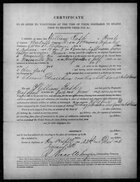
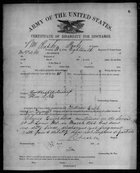
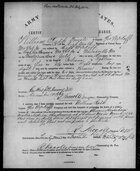
 I have a pension featuring William Rash, Co. D, 18th MO Infantry



 Bringing the