
 Forum Host
- Joined
- Feb 5, 2017
FOOD IN THE CIVIL WAR -- THAT STUFF CALLED HARDTACK
The most common -- and likely the most hated -- food for Civil War soldiers was hardtack, a simple cracker made from flour and water. Hardtack was described as "indestructible, imperishable, practically inedible, too hard to chew, too small for shoeing mules, and too big to use as bullets."
Cooks tried to make it more palatable in recipes such as bully soup (hot cereal made from cornmeal and hardtack, boiled in water, wine and ginger) and skillygalee (hardtack soaked in water then fried with pork grease.)
The hardness of hardtack was legendary and gave rise to many soldier jokes. This one was typical.
Private Jones: I bit into a piece of hardtack and hit something soft.
Private Green: A worm?
Private Jones: No, by glory, a ten-penny nail!
In John Billings' memoir of his life as a Union soldier, "Hardtack and Coffee" (1887), we have a very accurate description of what Civil War hardtack rations were like:
"What was hardtack? It was a plain flour-and-water biscuit. Two which I have in my possession as mementos measure three and one-eighth by two and seven-eighths inches, and are nearly half an inch thick. Although these biscuits were furnished to organizations by weight, they were dealt out to the men by number, nine constituting a ration in some regiments and ten in others; but there were usually enough for those who wanted more, as some men would not draw them.
While hardtack was nutritious, yet a hungry man could eat his ten in a short time and still be hungry. When they were poor and fit objects for the soldiers' wrath, it was due to one of three conditions: first, they may have been so hard that they could not be bitten; it then required a very strong blow of the fist to break them; the second condition was when they were moldy or wet, as sometimes happened, and should not have been given to the soldiers: the third condition was when from storage they had become infested with maggots.
When the bread was moldy or moist, it was thrown away and made good at the next drawing, so that the men were not the losers; but in the case of its being infested with the weevils, they had to stand it as a rule; but hardtack was not so bad an article of food, even when traversed by insects, as may be supposed. Eaten in the dark, no one could tell the difference between it and hardtack that was untenanted. It was no uncommon occurrence for a man to find the surface of his pot of coffee swimming with weevils, after breaking up hardtack in it, which had come out of the fragments only to drown; but they were easily skimmed off, and left no distinctive flavor behind.
Having gone so far, I know the reader will be interested to learn of the styles in which this particular article was served up by the soldiers. Of course, many of them were eaten just as they were received — hardtack plain; then I have already spoken of their being crumbed in coffee, giving the "hardtack and coffee."
Probably more were eaten in this way than in any other, for they thus frequently furnished the soldier his breakfast and supper. But there were other and more appetizing ways of preparing them.
Many of the soldiers, partly through a slight taste for the business but more from force of circumstances, became in their way and opinion experts in the art of cooking the greatest variety of dishes with the smallest amount of capital."
RECIPE ARMY HARDTACK OR PILOT BREAD RECIPE YOU CAN MAKE AT HOME
4 cups flour (preferably whole wheat)
4 teaspoons salt or to taste
Water (about 2 cups)
Pre-heat oven to 375° F
Put the dry ingredients into a mixing bowl and then add the water. Mix the ingredients until the dough will stick together and is easy to work with. If you add too much flour, add slightly more water. Roll the dough out into a rectangle. Cut the dough into squares about 3 x 3 inches and ½ inch thick. This recipe should make about 10 pieces.
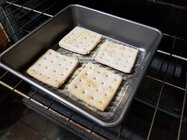
After cutting the squares, press a pattern of four rows of four holes into each square, using a fork or other such object. Do not punch through the dough. The appearance you want is similar to that of a modern saltine cracker. Turn each square over and do the same thing to the other side.
Place the squares on an ungreased cookie sheet in the oven and bake for 30 minutes. Turn each piece over and bake for another 30 minutes. The crackers should be slightly brown on both sides.
The biggest mistake that you can make is not cooking them long enough.
During the time of the Civil War, they cooked them in kilns for hours. You can't leave them in to cook too long unless you burn them. When you first take them out, store them in paper bags for a day or so to give them a chance to breathe. Just remember the harder the better for long-term storage. Once they are dried, protect them from moisture and insects.
-- Recipe courtesy: Preparednessadvice.com
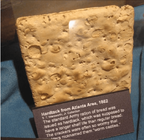
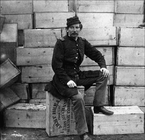
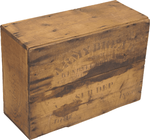
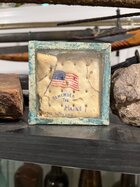
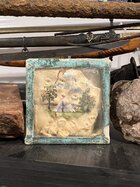
This was actually given to a Gettysburg Veteran in 1913. National Biscuit Company made them for the 50th Gettysburg Anniversary.
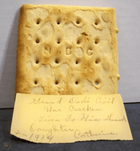
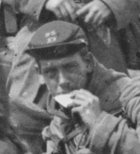
A soldier eating hardtack
The most common -- and likely the most hated -- food for Civil War soldiers was hardtack, a simple cracker made from flour and water. Hardtack was described as "indestructible, imperishable, practically inedible, too hard to chew, too small for shoeing mules, and too big to use as bullets."
Cooks tried to make it more palatable in recipes such as bully soup (hot cereal made from cornmeal and hardtack, boiled in water, wine and ginger) and skillygalee (hardtack soaked in water then fried with pork grease.)
The hardness of hardtack was legendary and gave rise to many soldier jokes. This one was typical.
Private Jones: I bit into a piece of hardtack and hit something soft.
Private Green: A worm?
Private Jones: No, by glory, a ten-penny nail!
In John Billings' memoir of his life as a Union soldier, "Hardtack and Coffee" (1887), we have a very accurate description of what Civil War hardtack rations were like:
"What was hardtack? It was a plain flour-and-water biscuit. Two which I have in my possession as mementos measure three and one-eighth by two and seven-eighths inches, and are nearly half an inch thick. Although these biscuits were furnished to organizations by weight, they were dealt out to the men by number, nine constituting a ration in some regiments and ten in others; but there were usually enough for those who wanted more, as some men would not draw them.
While hardtack was nutritious, yet a hungry man could eat his ten in a short time and still be hungry. When they were poor and fit objects for the soldiers' wrath, it was due to one of three conditions: first, they may have been so hard that they could not be bitten; it then required a very strong blow of the fist to break them; the second condition was when they were moldy or wet, as sometimes happened, and should not have been given to the soldiers: the third condition was when from storage they had become infested with maggots.
When the bread was moldy or moist, it was thrown away and made good at the next drawing, so that the men were not the losers; but in the case of its being infested with the weevils, they had to stand it as a rule; but hardtack was not so bad an article of food, even when traversed by insects, as may be supposed. Eaten in the dark, no one could tell the difference between it and hardtack that was untenanted. It was no uncommon occurrence for a man to find the surface of his pot of coffee swimming with weevils, after breaking up hardtack in it, which had come out of the fragments only to drown; but they were easily skimmed off, and left no distinctive flavor behind.
Having gone so far, I know the reader will be interested to learn of the styles in which this particular article was served up by the soldiers. Of course, many of them were eaten just as they were received — hardtack plain; then I have already spoken of their being crumbed in coffee, giving the "hardtack and coffee."
Probably more were eaten in this way than in any other, for they thus frequently furnished the soldier his breakfast and supper. But there were other and more appetizing ways of preparing them.
Many of the soldiers, partly through a slight taste for the business but more from force of circumstances, became in their way and opinion experts in the art of cooking the greatest variety of dishes with the smallest amount of capital."
RECIPE ARMY HARDTACK OR PILOT BREAD RECIPE YOU CAN MAKE AT HOME
4 cups flour (preferably whole wheat)
4 teaspoons salt or to taste
Water (about 2 cups)
Pre-heat oven to 375° F
Put the dry ingredients into a mixing bowl and then add the water. Mix the ingredients until the dough will stick together and is easy to work with. If you add too much flour, add slightly more water. Roll the dough out into a rectangle. Cut the dough into squares about 3 x 3 inches and ½ inch thick. This recipe should make about 10 pieces.
After cutting the squares, press a pattern of four rows of four holes into each square, using a fork or other such object. Do not punch through the dough. The appearance you want is similar to that of a modern saltine cracker. Turn each square over and do the same thing to the other side.
Place the squares on an ungreased cookie sheet in the oven and bake for 30 minutes. Turn each piece over and bake for another 30 minutes. The crackers should be slightly brown on both sides.
The biggest mistake that you can make is not cooking them long enough.
During the time of the Civil War, they cooked them in kilns for hours. You can't leave them in to cook too long unless you burn them. When you first take them out, store them in paper bags for a day or so to give them a chance to breathe. Just remember the harder the better for long-term storage. Once they are dried, protect them from moisture and insects.
-- Recipe courtesy: Preparednessadvice.com
This was actually given to a Gettysburg Veteran in 1913. National Biscuit Company made them for the 50th Gettysburg Anniversary.
A soldier eating hardtack

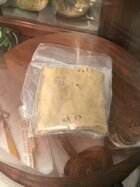


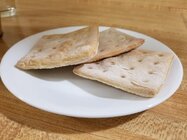

 some guys actually like it. Honestly to me it's absolutely tasteless and as advertised, HARD



 Bringing the