
 Forum Host
- Joined
- Feb 5, 2017
From The National Museum of Civil War Medicine
Rations during the Civil War was no feast to write home about, at least in a positive manner. Generally, the Army issues two types of rations, marching rations, and camp rations. Marching rations generally consisted of about 12-14 ounces of hard tack, 12 ounces of salted meat and coffee, and maybe some sugar if they were lucky.
Camp rations were a little more substantial if one could say that. Hardtack could occasionally be substituted for hardtack, dried peas or beans were available, as well as rice, vinegar, and molasses. As the war raged on, both sides saw a quick and dramatic decline in both the quality and quantity of the food being supplied to them.
This meant that soldiers would frequently buy food from local farmers or sutlers, or even pillage the towns they marched through to attain better quality food. However, this lack of quality food led most soldiers to significant malnutrition, weakened immune systems, and extreme exhaustion.
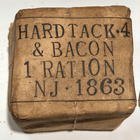
Rations during the Civil War was no feast to write home about, at least in a positive manner. Generally, the Army issues two types of rations, marching rations, and camp rations. Marching rations generally consisted of about 12-14 ounces of hard tack, 12 ounces of salted meat and coffee, and maybe some sugar if they were lucky.
Camp rations were a little more substantial if one could say that. Hardtack could occasionally be substituted for hardtack, dried peas or beans were available, as well as rice, vinegar, and molasses. As the war raged on, both sides saw a quick and dramatic decline in both the quality and quantity of the food being supplied to them.
This meant that soldiers would frequently buy food from local farmers or sutlers, or even pillage the towns they marched through to attain better quality food. However, this lack of quality food led most soldiers to significant malnutrition, weakened immune systems, and extreme exhaustion.


 Bringing the