Recreated Fermented Cherry Tomatoes

Joined
Jul 12, 2007
Location
Aledo, IL
Fermented vegetables, like Pickles and Sauerkraut, are probiotic and healthy for you! Personally, I enjoy pickling peppers, pickles, green tomatoes and making dill pickles and sauerkraut. It is remarkably easy! All you need is a quart jar and some fermentation lids and springs made by Ball (there's other things you can use, but I find the lids and springs to be easy).
Below is a pic and recipe for pickled cherry (or other salad type) tomato that I have started.

20250528_185303[1].jpg

Cherry Tomatoes Fermented

  • 2 cups cherry tomatoes, washed
  • 2 cups water
  • 1½ tablespoons salt
  • 5 cloves peeled garlic, optional
  • 8 leaves fresh basil, optional
Instructions

1. Measure the water in a measuring cup. Add the salt and stir. Set this brine aside for a few minutes until the salt has dissolved.


  1. Place the cherry tomatoes in a clean, 4-cup jar or larger, along with garlic cloves and basil, if using. Pour the brine over the tomatoes. To submerge the tomatoes in brine, place a small weight inside the jar, such as a small glass bowl or a small glass yogurt jar. If the brine begins to overflow, remove some. Close the jar and place it on a plate to catch any brine that might bubble out of the jar during active fermentation.
  2. Let the jar sit at room temperature for about 5 days. During that time, the brine will become cloudy and the tomato color more subdued—signs of successful fermentation. The tomatoes are ready when they are effervescent and tangy. Move them to the refrigerator, where they will keep for several months or longer. Do not leave them at room temperature as they will turn alcoholic quickly.
  3. After emptying the jar of the tomatoes, make a second batch by adding more fresh cherry tomatoes to the brine. This second batch will ferment much quicker in the culture-rich brine. Check them every day until they are ready.
 
Fermented vegetables, like Pickles and Sauerkraut, are probiotic and healthy for you! Personally, I enjoy pickling peppers, pickles, green tomatoes and making dill pickles and sauerkraut. It is remarkably easy! All you need is a quart jar and some fermentation lids and springs made by Ball (there's other things you can use, but I find the lids and springs to be easy).
Below is a pic and recipe for pickled cherry (or other salad type) tomato that I have started.

View attachment 551427

Cherry Tomatoes Fermented

  • 2 cups cherry tomatoes, washed
  • 2 cups water
  • 1½ tablespoons salt
  • 5 cloves peeled garlic, optional
  • 8 leaves fresh basil, optional
Instructions

1. Measure the water in a measuring cup. Add the salt and stir. Set this brine aside for a few minutes until the salt has dissolved.


  1. Place the cherry tomatoes in a clean, 4-cup jar or larger, along with garlic cloves and basil, if using. Pour the brine over the tomatoes. To submerge the tomatoes in brine, place a small weight inside the jar, such as a small glass bowl or a small glass yogurt jar. If the brine begins to overflow, remove some. Close the jar and place it on a plate to catch any brine that might bubble out of the jar during active fermentation.
  2. Let the jar sit at room temperature for about 5 days. During that time, the brine will become cloudy and the tomato color more subdued—signs of successful fermentation. The tomatoes are ready when they are effervescent and tangy. Move them to the refrigerator, where they will keep for several months or longer. Do not leave them at room temperature as they will turn alcoholic quickly.
  3. After emptying the jar of the tomatoes, make a second batch by adding more fresh cherry tomatoes to the brine. This second batch will ferment much quicker in the culture-rich brine. Check them every day until they are ready.
Just for my edification - were cherry tomatoes being grown in America in the 1860s?
I am old enough to remember [I think] when they first became available in grocery stores.
 
IMG_4593.webp

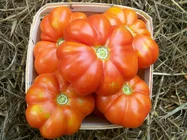
The "Large Red" was listed in the Shaker's catalog in 1843. During the 1860's it was the most common tomato.

This kind of tomato makes for beautifully shaped slices. Can make a remarkable presentation.

You can have some of your own.

Link:

 
Fermented vegetables, like Pickles and Sauerkraut, are probiotic and healthy for you! Personally, I enjoy pickling peppers, pickles, green tomatoes and making dill pickles and sauerkraut. It is remarkably easy! All you need is a quart jar and some fermentation lids and springs made by Ball (there's other things you can use, but I find the lids and springs to be easy).
Below is a pic and recipe for pickled cherry (or other salad type) tomato that I have started.

View attachment 551427

Cherry Tomatoes Fermented

  • 2 cups cherry tomatoes, washed
  • 2 cups water
  • 1½ tablespoons salt
  • 5 cloves peeled garlic, optional
  • 8 leaves fresh basil, optional
Instructions

1. Measure the water in a measuring cup. Add the salt and stir. Set this brine aside for a few minutes until the salt has dissolved.


  1. Place the cherry tomatoes in a clean, 4-cup jar or larger, along with garlic cloves and basil, if using. Pour the brine over the tomatoes. To submerge the tomatoes in brine, place a small weight inside the jar, such as a small glass bowl or a small glass yogurt jar. If the brine begins to overflow, remove some. Close the jar and place it on a plate to catch any brine that might bubble out of the jar during active fermentation.
  2. Let the jar sit at room temperature for about 5 days. During that time, the brine will become cloudy and the tomato color more subdued—signs of successful fermentation. The tomatoes are ready when they are effervescent and tangy. Move them to the refrigerator, where they will keep for several months or longer. Do not leave them at room temperature as they will turn alcoholic quickly.
  3. After emptying the jar of the tomatoes, make a second batch by adding more fresh cherry tomatoes to the brine. This second batch will ferment much quicker in the culture-rich brine. Check them every day until they are ready.
Those tomatoes would be right at home in my homemade pasta sauce. I've never tried any canning but this is something I would be interested in trying.
 
Fermented vegetables, like Pickles and Sauerkraut, are probiotic and healthy for you! Personally, I enjoy pickling peppers, pickles, green tomatoes and making dill pickles and sauerkraut. It is remarkably easy! All you need is a quart jar and some fermentation lids and springs made by Ball (there's other things you can use, but I find the lids and springs to be easy).
Below is a pic and recipe for pickled cherry (or other salad type) tomato that I have started.

View attachment 551427

Cherry Tomatoes Fermented

  • 2 cups cherry tomatoes, washed
  • 2 cups water
  • 1½ tablespoons salt
  • 5 cloves peeled garlic, optional
  • 8 leaves fresh basil, optional
Instructions

1. Measure the water in a measuring cup. Add the salt and stir. Set this brine aside for a few minutes until the salt has dissolved.


  1. Place the cherry tomatoes in a clean, 4-cup jar or larger, along with garlic cloves and basil, if using. Pour the brine over the tomatoes. To submerge the tomatoes in brine, place a small weight inside the jar, such as a small glass bowl or a small glass yogurt jar. If the brine begins to overflow, remove some. Close the jar and place it on a plate to catch any brine that might bubble out of the jar during active fermentation.
  2. Let the jar sit at room temperature for about 5 days. During that time, the brine will become cloudy and the tomato color more subdued—signs of successful fermentation. The tomatoes are ready when they are effervescent and tangy. Move them to the refrigerator, where they will keep for several months or longer. Do not leave them at room temperature as they will turn alcoholic quickly.
  3. After emptying the jar of the tomatoes, make a second batch by adding more fresh cherry tomatoes to the brine. This second batch will ferment much quicker in the culture-rich brine. Check them every day until they are ready.
Sounds absolutely horrible for my taste.
 
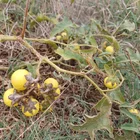
Interesting. The tomatoes Cortez brought back circa 1520 were small & yellow like a cherry tomato,

Interesting… I knew he was introduced to them by the Aztec - but never knew any of the details.

Your description reminds me of our 'pasture tomatoes' which you certainly wouldn't want to eat (It's a Nightshade!)


IMG_2451.webp
 
Interesting… I knew he was introduced to them by the Aztec - but never knew any of the details.

Your description reminds me of our 'pasture tomatoes' which you certainly wouldn't want to eat (It's a Nightshade!)


View attachment 578842

It is a bit weird that both potatoes & tomatoes are in the nightshade family. It goes to show what a thousand years of cultivation can do. I have been reading a history of the Maya, who were the first to cultivate & name tomatoes along with chilis, chocolate & black beans. Add in potatoes from the Andes & corn from highland Mexico… what did Europeans eat before 1500?
 
It is a bit weird that both potatoes & tomatoes are in the nightshade family. It goes to show what a thousand years of cultivation can do. I have been reading a history of the Maya, who were the first to cultivate & name tomatoes along with chilis, chocolate & black beans. Add in potatoes from the Andes & corn from highland Mexico… what did Europeans eat before 1500?

I hear ya!

The european version of the 'three sisters' - rye, barley and oats, haha.

The western hemisphere had the 'superior' grains and legumes, I suppose!
 

Learn About Us
About CivilWarTalk
Contact the Webmaster
Meet the Staff
Link to CivilWarTalk
Join Our Community
Register
Browse Forums
View Today's Discussions
Search the Forum
Get Help
FAQ
Student Guide
Forum Rules & Etiquette
Copyright / DMCA

     Contact Us CivilwarTalk on Facebook CivilWarTalk on YouTube CivilWarTalk on Twitter RSS Feed

Bringing the American Civil War and More to Life.
© 1999 - , CIVILWARTALK, LLC - Site Version 10.0

SlaveryTalk.com - SecessionTalk.com - CivilWarTalk.com - ReconstructionTalk.com
Back
Top