PARROTT RIFLE ARTILLERY
The 100 pound / 8" Parrott Rifle has a very distinctive profile. In what is often referred to as a 'pig in a blanket' a reenforcing collar of wrought iron was slipped over the breech & forged into place. The cooled wrought iron collar gripped the brittle cast iron breech at a molecular level.
When young lieutenant Robert E. Lee supervised the construction of Fort Pulaski at the mouth of the Savannah River it was effectively indestructible.
From miles away, Parrott Rifles reduced a corner of the fort to rubble, forcing its surrender.
At that point, every masonry fort in the world was obsolete. Read more here.
Link:
Site

www.nps.gov
Robert Parrott & his namesake cannon. Read more here.
Link:
www.nps.gov
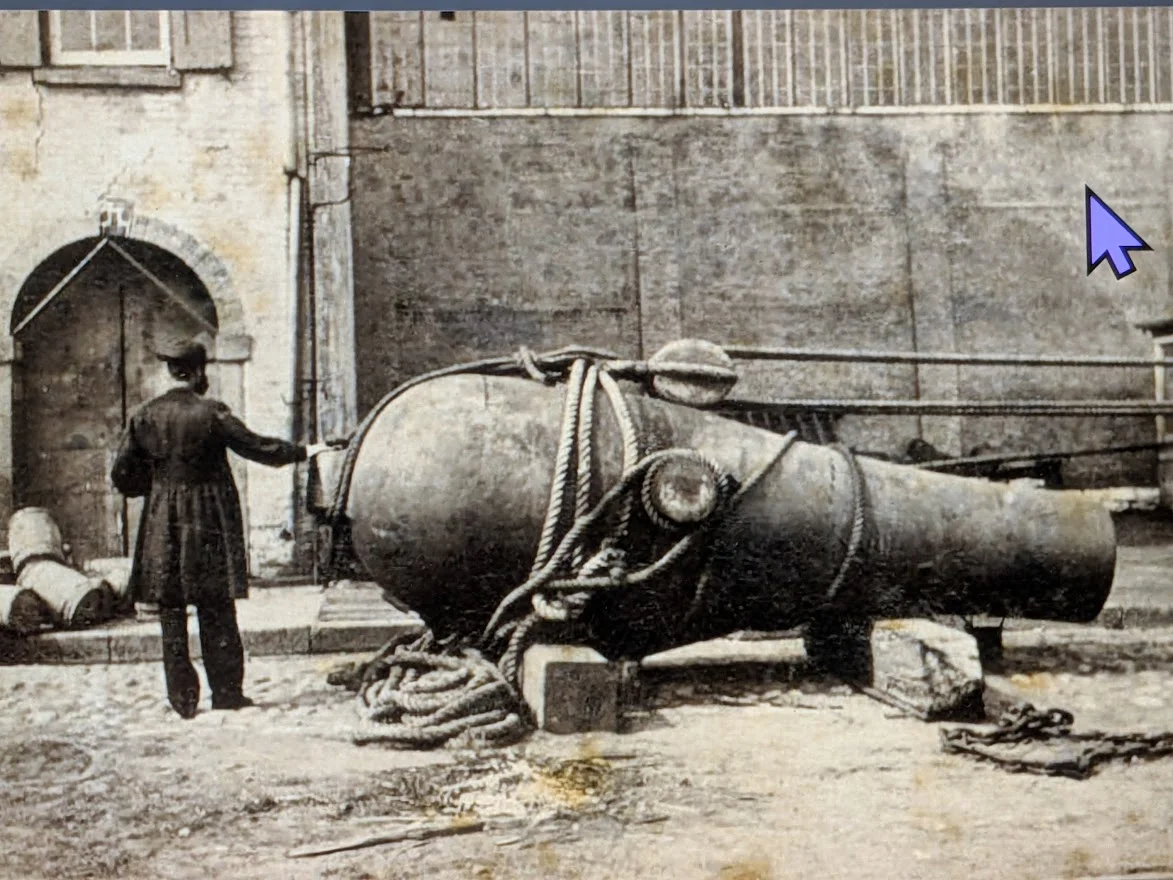
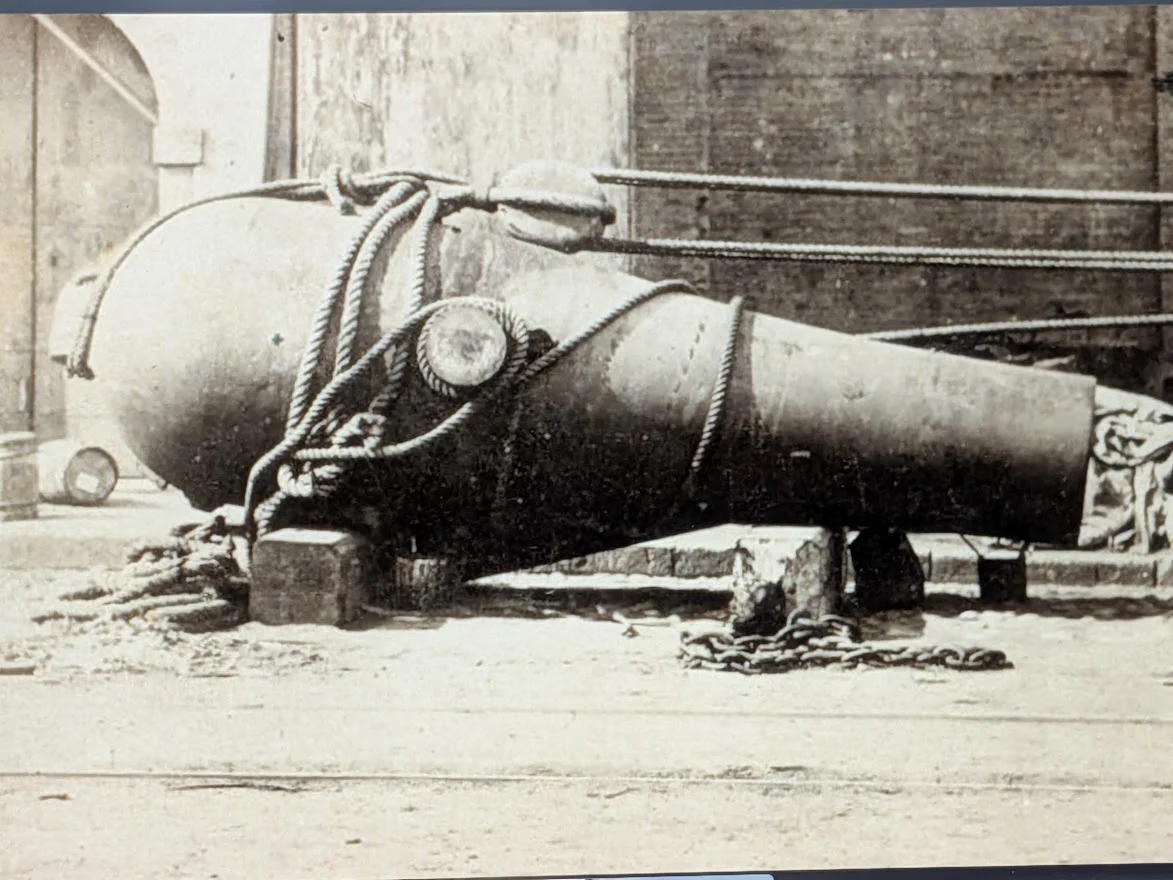
COLUMBIAD SHAPED CANNON CAST WITH THE RODMAN PROCESS
This preposterous 20" Rodman was cast in 1863. At its side, the little popgun looking thing in the center is an 8" Rodman / Columbiad shaped cannon. Two of the colossal 20" were cast, but never deployed. See the caption for details.
Many Monitors were armed with 13" & 15" Rodmans.
Read about the Rodman process here.
Link:
www.nps.gov
CivilWarTalk thread about the history & types of Columbiad cannon. Read more here.
Link:
What variations of the Columbiad cannons were made by the Confederate army during the American Civil War?
Also, what is that plunger thingy you use to shove a cannonball down a barrel?
Cheers!
8" SIEGE HOWITZER
Obsolete 8" siege howitzers were mounted in Fortress Rosecrans in Murfreesboro TN. An 1840's design, the sewer pipe profile is in stark contrast to the elegant swell of the Rodman / Columbiads.
"Columbiad" refers to the "perfume bottle" shape of the cannon.
3" ordinance rifles share the swelling breech of the Columbiad design. They were also commonly referred to as 'Rodmans' during the Civil war.
The Ames Model 2 bronze rifles followed the elegant profile of the 3" Rodman.
Read about the Rodman method here.
Link:
www.nps.gov
Note: Save this post & next time you can be a smarty pants know it all.



 Bringing the