When A Wound Never Heals

NH Civil War Gal

Major
* OFFICIAL *
CWT PRESENTER
Forum Host
Regtl. Quartermaster Antietam 2021
Joined
Feb 5, 2017
From the FB page, "Civil War Medicine and Surgery"

WHEN A WOUND NEVER HEALS

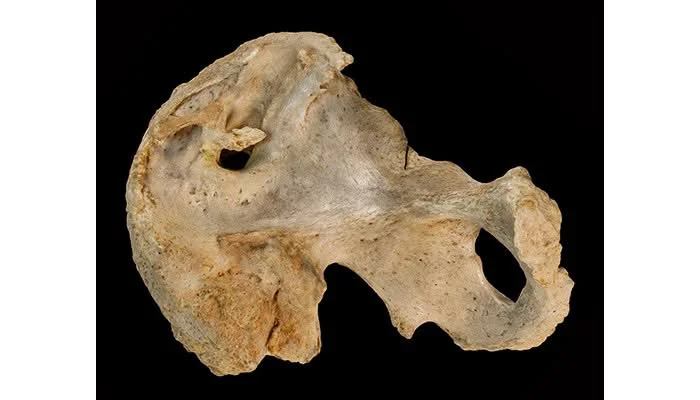
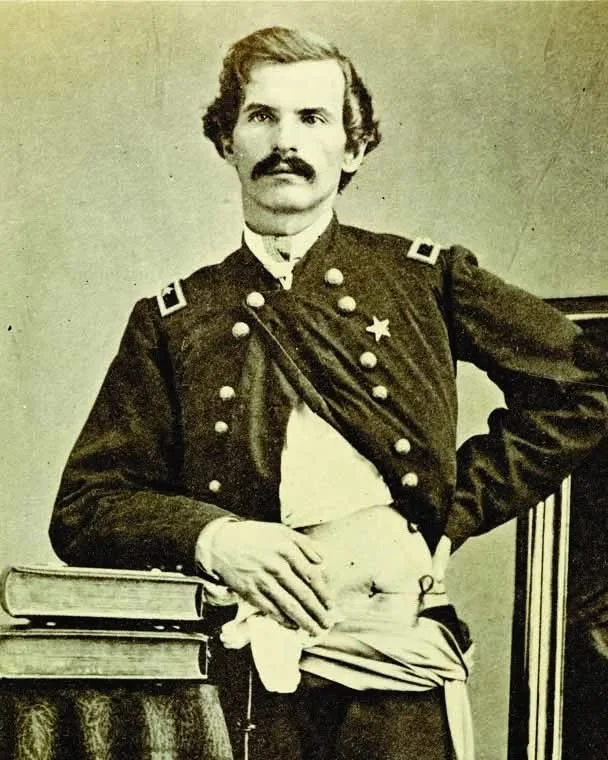
On July 1, 1862, at Malvern Hill, Major Henry A. Barnum of the 12th New York was struck by a Confederate Minie ball that tore through his pelvis.

The bullet passed through the ilium and out the flank. It was thought likely to have injured the viscera and, thus, prove fatal. Barnum was left behind when Confederate troops overran the field, and taken to Richmond a prisoner, where he shocked the physicians by rallying. He was exchanged and, in a few months, returned to duty. He was wounded three more times in the course of the war, was awarded the Medal of Honor, and rose to the rank of Brevet Major General.

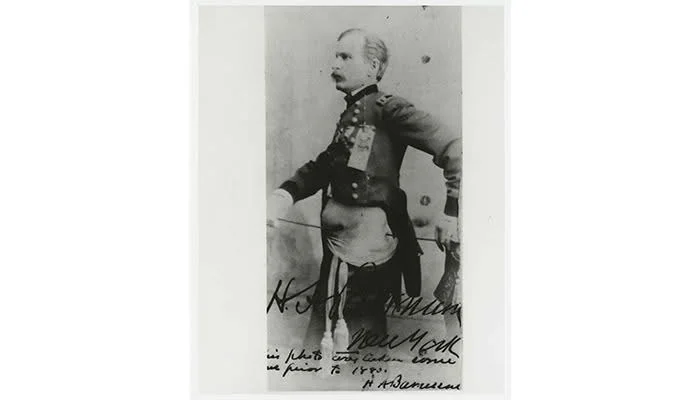
The pelvic wound, however, never healed. Pieces of dead bone and bullet led to a chronic, smoldering infection, which sometimes created abscesses and always drained. To prevent the wound from closing and trapping infection inside, surgeons inserted a seton, a cord threaded through the wound tract to keep it open and draining. This principle remains familiar to surgeons today. In certain conditions, maintaining drainage can be safer than allowing an infected tract to close prematurely. He wore it the rest of his life.

In 1892, 30 years after his gunshot wound, Barnum died at the age of 58, of pneumonia. His damaged pelvic bone was preserved by the Army Medical Museum.

Sometimes survival was not a return to health, but rather a lifetime spent negotiating a truce with injury.
1781107476573.webp


1781107500810.webp


1781107571052.webp


1781107571094.webp


1781107535674.webp
 
Barnum returned to service on the march to Gettysburg and saw action on the evening of July 2nd on Culp's Hill. But during the night, he turned over command of the 149th New York to Lt. Colonel Charles Randall due to exhaustion. While he held his field command until the end of the war, on several occasions, he had to return to Washington for further treatments.

Ryan
 
Last edited:
General Hancock's wound at Gettysburg also never fully healed. In fact, they couldn't at first get the bullet out, and his quality of life degenerated so badly that he resigned himself to death. Fortunately, a doctor finally managed to get the bullet to pop out. But Hancock realized it had permanently damaged his health. He lived a full life. But the wound continued to cause him problems up until his death. They didn't have antibiotics in those days. So, it was really hard for them to heal internal injuries. Amputations were performed because it was a way to turn inside wounds into outside wounds. But, depending on where the wound was on the body, that wasn't always an option. And even then, sometimes infections set in.
 
From the FB page, "Civil War Medicine and Surgery"

WHEN A WOUND NEVER HEALS

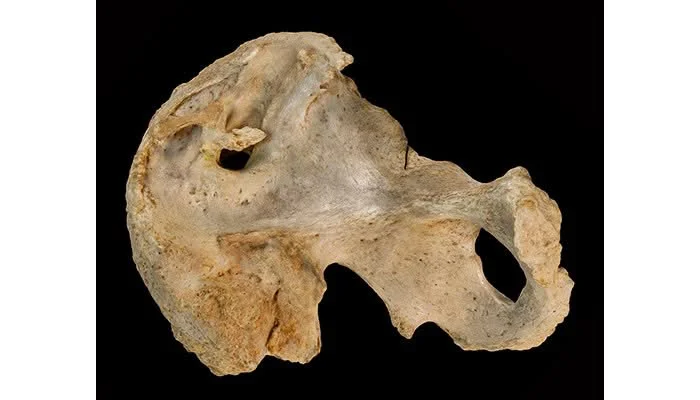
On July 1, 1862, at Malvern Hill, Major Henry A. Barnum of the 12th New York was struck by a Confederate Minie ball that tore through his pelvis.

The bullet passed through the ilium and out the flank. It was thought likely to have injured the viscera and, thus, prove fatal. Barnum was left behind when Confederate troops overran the field, and taken to Richmond a prisoner, where he shocked the physicians by rallying. He was exchanged and, in a few months, returned to duty. He was wounded three more times in the course of the war, was awarded the Medal of Honor, and rose to the rank of Brevet Major General.

The pelvic wound, however, never healed. Pieces of dead bone and bullet led to a chronic, smoldering infection, which sometimes created abscesses and always drained. To prevent the wound from closing and trapping infection inside, surgeons inserted a seton, a cord threaded through the wound tract to keep it open and draining. This principle remains familiar to surgeons today. In certain conditions, maintaining drainage can be safer than allowing an infected tract to close prematurely. He wore it the rest of his life.

In 1892, 30 years after his gunshot wound, Barnum died at the age of 58, of pneumonia. His damaged pelvic bone was preserved by the Army Medical Museum.

Sometimes survival was not a return to health, but rather a lifetime spent negotiating a truce with injury.
View attachment 582354

View attachment 582355

View attachment 582358

View attachment 582359

View attachment 582357
Quite a story. Quite a man! The truth of real life is even more entertaining than the Barnum and Bailey Circus.
 
General Hancock's wound at Gettysburg also never fully healed. In fact, they couldn't at first get the bullet out, and his quality of life degenerated so badly that he resigned himself to death. Fortunately, a doctor finally managed to get the bullet to pop out. But Hancock realized it had permanently damaged his health. He lived a full life. But the wound continued to cause him problems up until his death. They didn't have antibiotics in those days. So, it was really hard for them to heal internal injuries. Amputations were performed because it was a way to turn inside wounds into outside wounds. But, depending on where the wound was on the body, that wasn't always an option. And even then, sometimes infections set in.
As I understand it, most of the doctors probed for the bullet while Hancock was lying flat. The doctor who was successful in finding and removing the bullet thought he would have better luck if he could put Hancock in the same position he was in when he was hit. Since Hancock was astride his horse at the time, one theory is that the doctor put a saddle on a stationary support and had Hancock sit in the saddle. The doctor then probed the wound and found and removed the bullet. Hancock continued to have problems with the wound, though.


An additional reason for Hancock having difficulty with wound healing is that he developed diabetes which was listed as a secondary cause of death on his death certificate.
 

Learn About Us
About CivilWarTalk
Contact the Webmaster
Meet the Staff
Link to CivilWarTalk
Join Our Community
Register
Browse Forums
View Today's Discussions
Search the Forum
Get Help
FAQ
Student Guide
Forum Rules & Etiquette
Copyright / DMCA

     Contact Us CivilwarTalk on Facebook CivilWarTalk on YouTube CivilWarTalk on Twitter RSS Feed

Bringing the American Civil War and More to Life.
© 1999 - , CIVILWARTALK, LLC - Site Version 10.0

SlaveryTalk.com - SecessionTalk.com - CivilWarTalk.com - ReconstructionTalk.com
Back
Top