If you have
The Rifled Musket by Claud E. Fuller, page 288-302
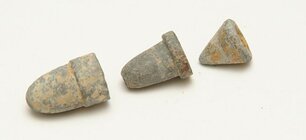
Poisoned & Explosive Bullets, is an exhaustively documented source. It includes numerous surgeon's (gruesome) reports of wounds inflicted by exploding bullets. The 2nd New Hampshire used exploding bullets at Gettysburg. Union officers reported hearing a peculiar snapping sound during that battle. They were told by ordinance officers that the Confederates were using captured exploding bullets. It also shows that many wounds attributed to exploding bullets were actually inflicted by mushroomed soft lead bullets.
.
Page 292
The Rifled Musket mushroomed bullets taken from wounds.
During the first year of the war, newspaper accounts like the one above abounded.
Louisville Journal March 14, 1862
"...the finding of a lot of poisoned bullets at Nashville, left behind by the rebels in their flight from that city, are fearful indications of the fiendish spirit of portions of our enemies. If this war shall continue, we know not how soon the rebels, transformed by fury & despair from human beings into devils, may resort to poisoning as an established mode of warfare."
Jefferson Davis
Beauvior, Mis
28 June 187
My dear Sir:
"In reply to your inquires as to the use of explosive or poisoned ball by troops of the Confederate States, I state as positively as one may in such a case that the charge has no foundation in truth." Jefferson Davis
General Joseph Gorgas, Chief of Ordnance of the Confederate States July 11, 1879 :
[To his] "...knowledge of the Confederate States never authorized or used explosive or poisoned rifle balls during the war."
In this case, the official's denials are supported by the facts. The surgeon's reports indicate that what were claimed as poisoned wounds were actually the result of ordinary contamination. No evidence of manufactured poisoned bullets were discovered. The elaborate construction attributed to poisoned bullets was an overreach. It was noted that all that would have been necessary was to coat minnie balls with a poison before the wax or tallow with which they were routinely coated.
Page 294
The Rifled Musket patent drawing of Gardiner exploding bullet.
Conclusion:
There is ample documentation that the U.S. Army purchased, issued & used exploding bullets in combat. Probably, the Confederate's used captured exploding bullets. Neither side actually purchased or issued poisoned bullets. Civil War battle wounds were infectious enough on their own, no poisoning was necessary.
Note:
If you do not have
The Rifled Musket in your library, I highly encourage you to do so.




 Forum Host


 Bringing the