
- Joined
- Jun 21, 2012
- Location
- Louisville, KY
Thought I would share some photos of the Civil War-related sites I recently visited while in the Nashville area.
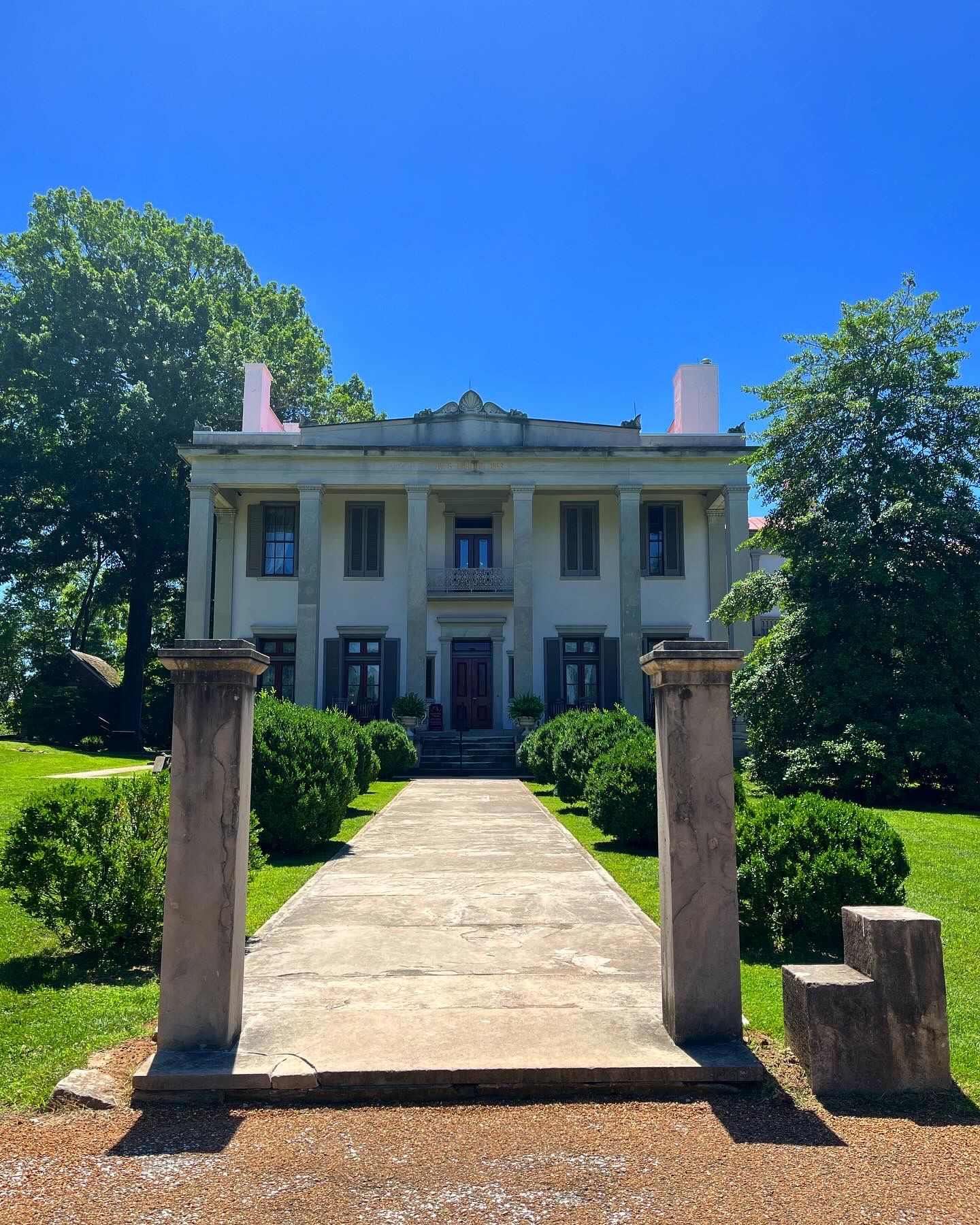
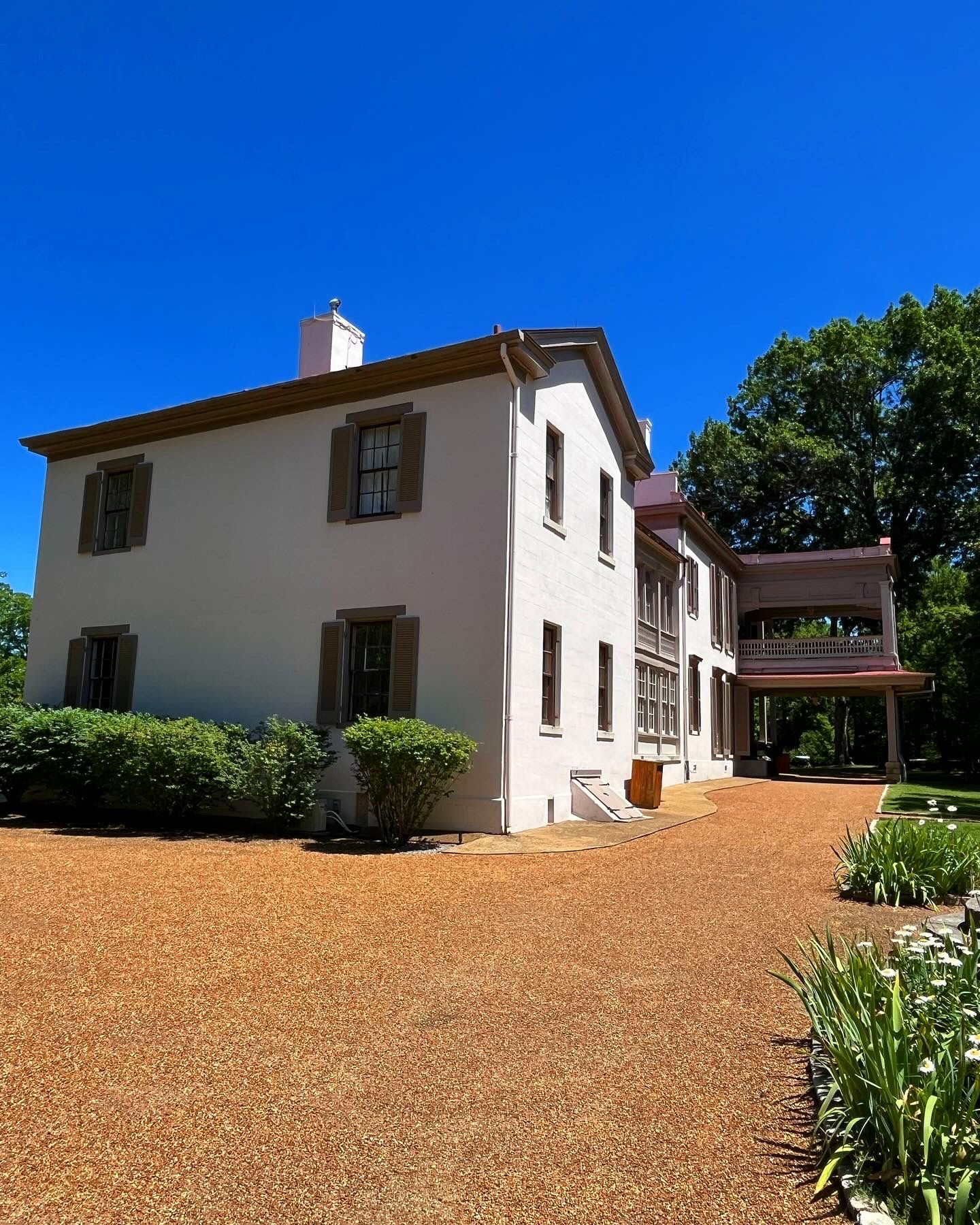
Belle Meade Plantation
The Belle Meade Plantation was established in 1807 and the operation emphasized breeding cattle and horses, primarily thoroughbreds. At the time of the war, the plantation was run by William Giles Harding. Harding, an ardent supporter of the Confederacy, was taken prisoner by Union troops and imprisoned for a short time at Fort Mackinac located on Mackinac Island in Michigan. He eventually swore an oath to the Union before paying bond and returning home. After the death of Harding, his son-in-law, Confederate Brig. General William Hicks Jackson continued to run Belle Meade where he continued in the stud business until his death. The plantation was sold off to pay debts a few years later. I was very impressed with the home, sorry photographs were not permitted inside. Much of the plantation was swallowed up by the surrounding community but the old family mausoleum, smokehouse, slave cabins and other buildings found on such a plantation have survived or been recreated.
Fort Negley
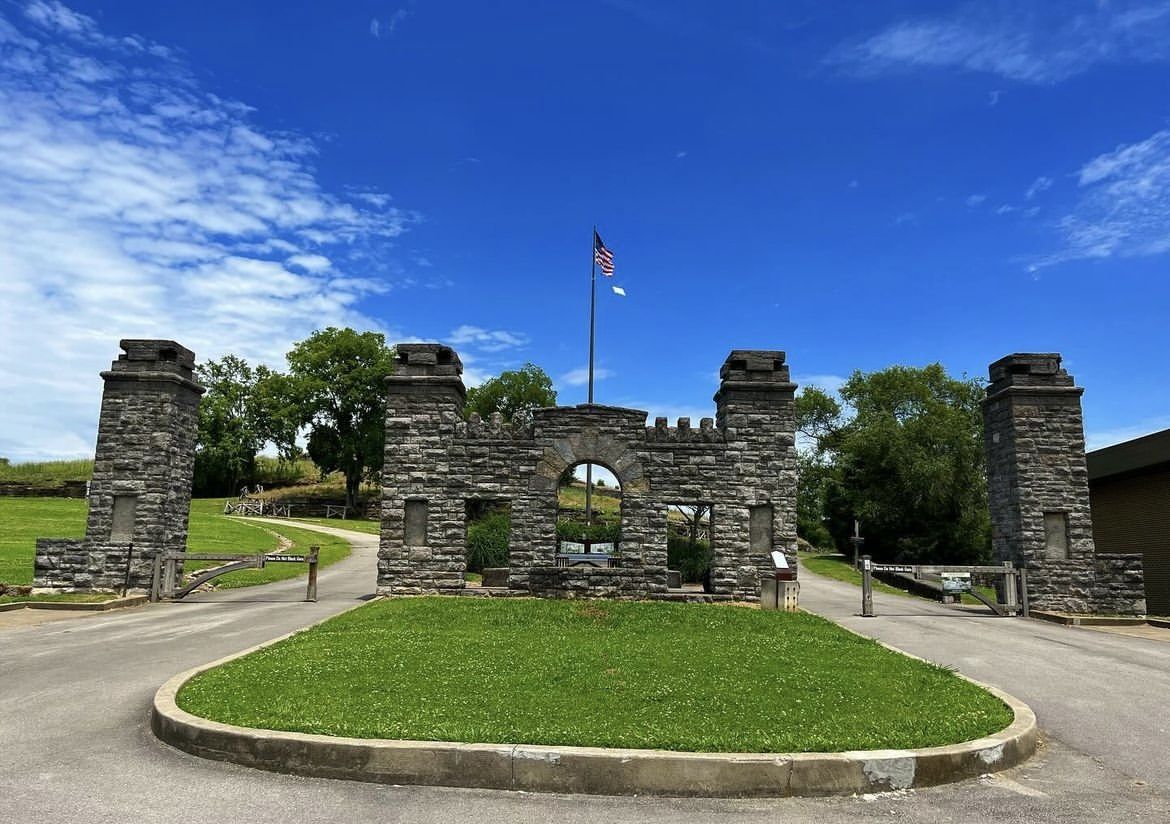
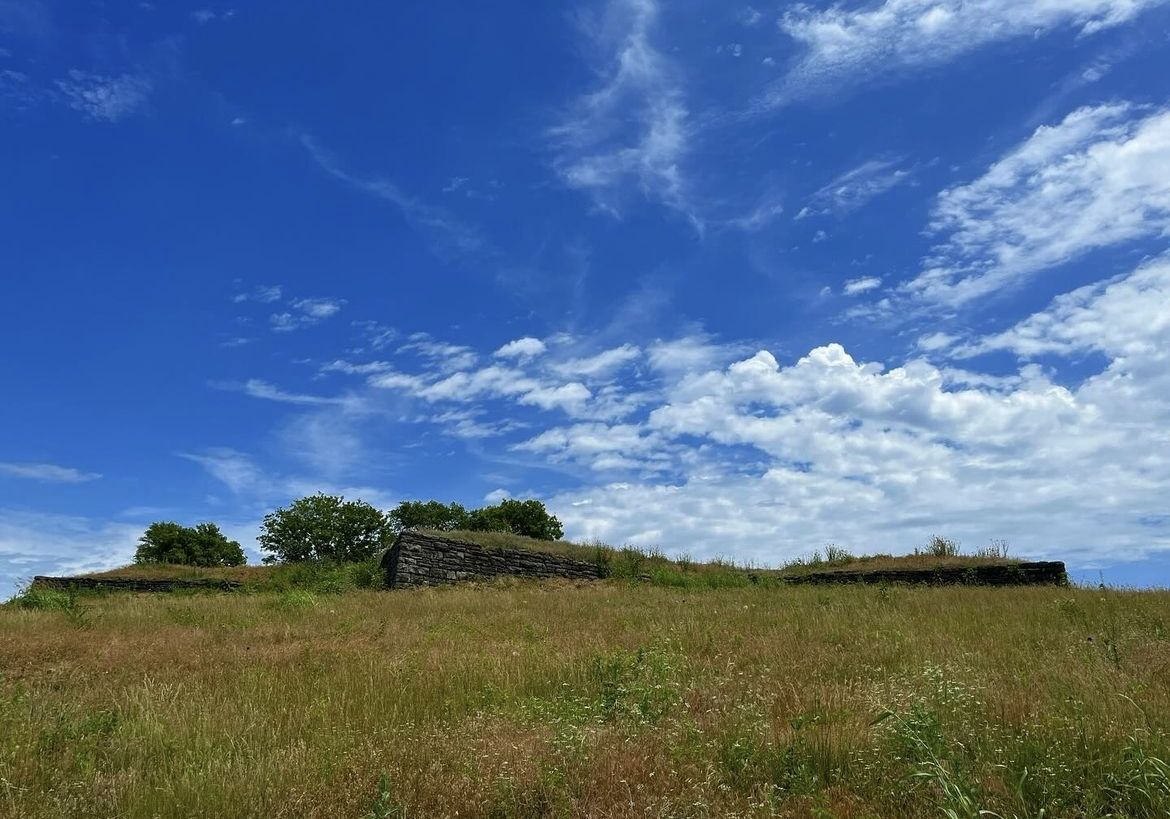
This prominent fort in the Union line that defended Nashville ultimately did not play a major role in the Battle of Nashville in December of 1864. Much of the fort was rebuilt during the Great Depression and the land turned into a park. Unfortunately it is in pretty rough shape. Nearly all markers are now unreadable after being exposed to the elements and it was pretty well overgrown.
Shy's Hill
One of the key points in the Battle of Nashville. Probably the most pristine part of the battlefield left.


Nashville City Cemetery
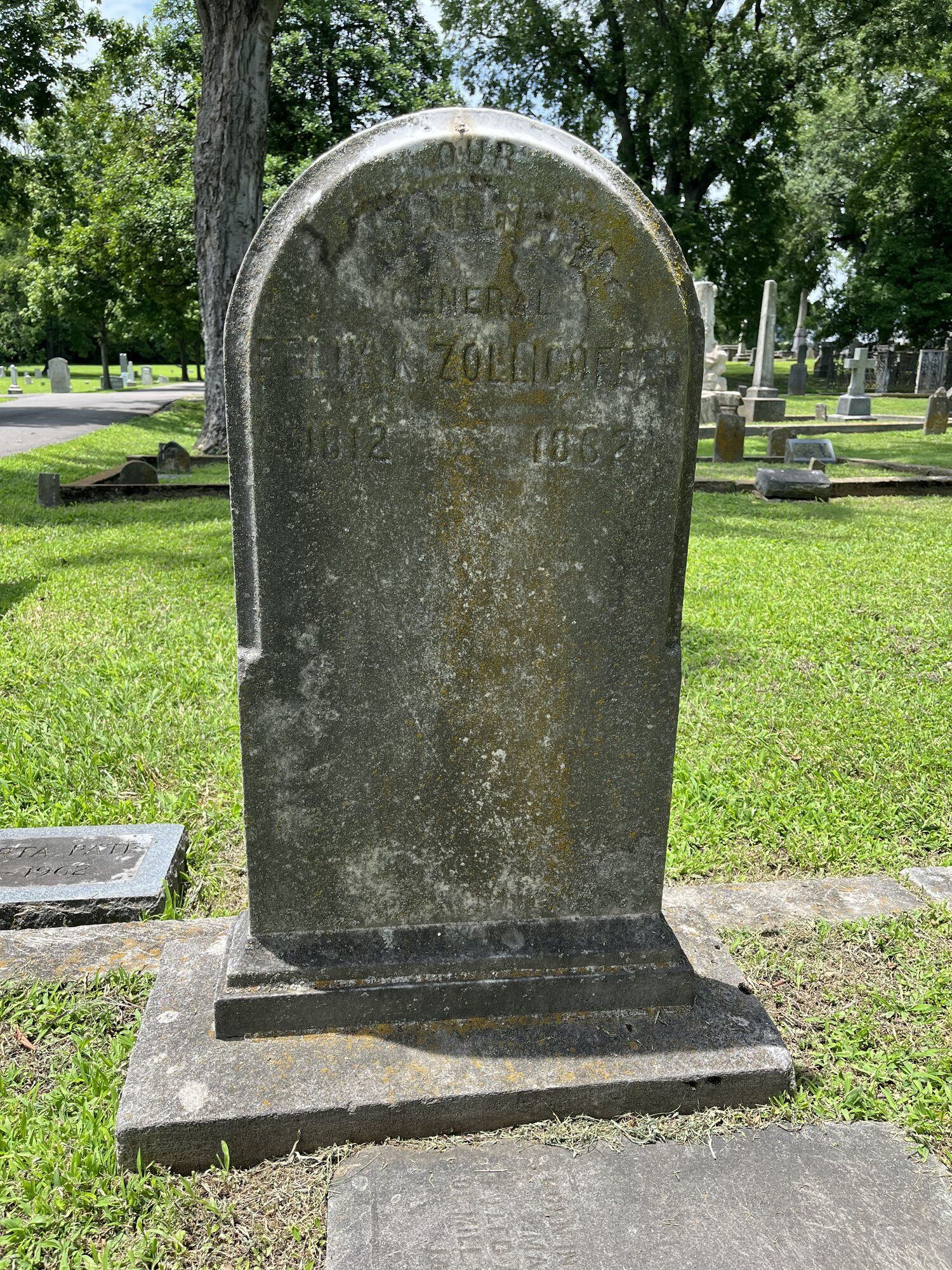
I was able to locate 4 Confederate generals buried here as well as various other veterans from the war. The four generals are Brigadier Generals Samuel Anderson and Felix Zollicoffer, Major General Bushrod Johnson & Lt. General Richard Ewell.

Bowen Plantation Home
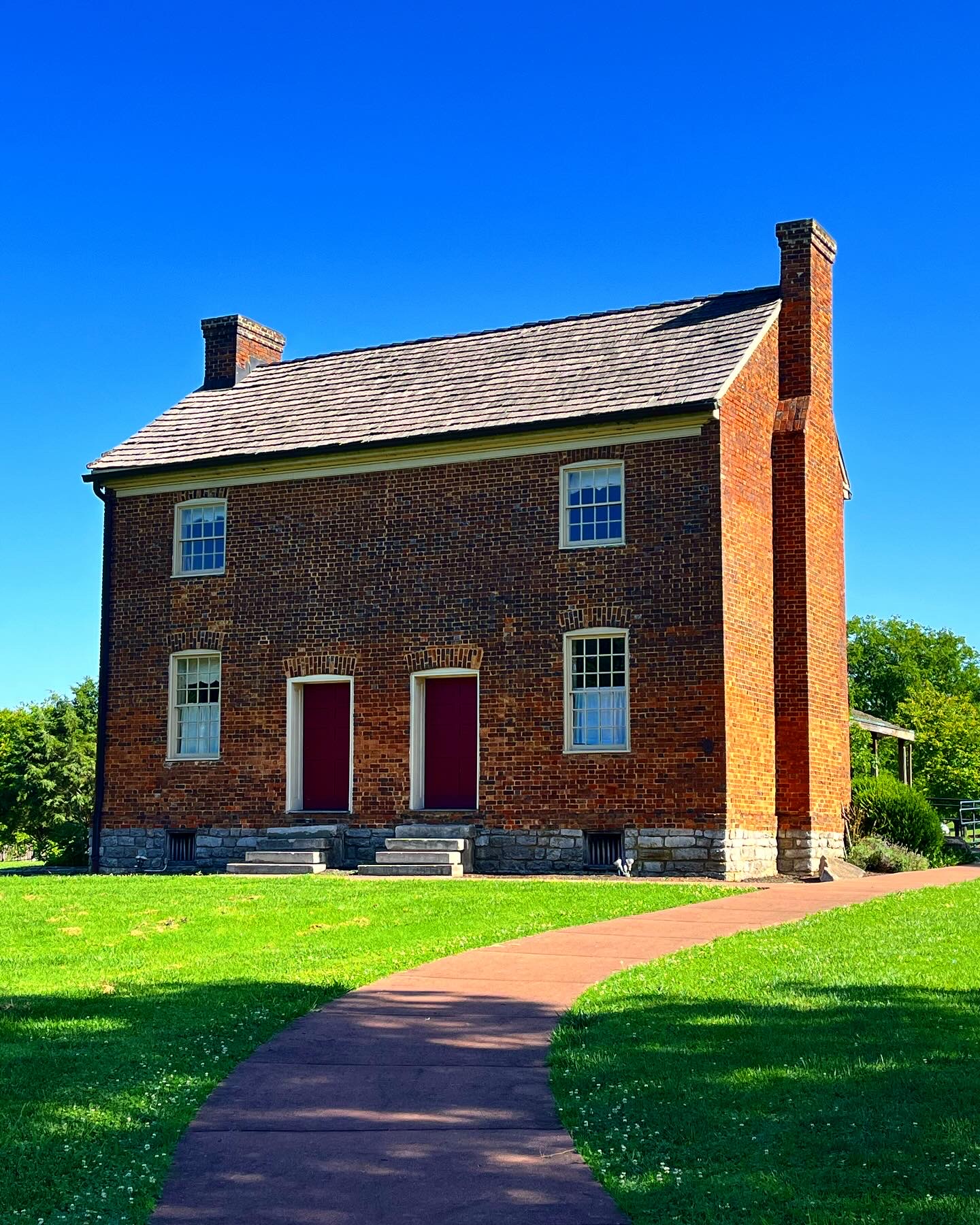
This home was completed in 1787 by William Bowen along what is known as Mansker Creek. The plantation was located near the Louisville & Nashville Railroad. To protect the railroad and a nearby bridge, Union troops routinely occupied the area. John Hunt Morgan led a succesful raid here in August 1862. The 5th Tennessee Cavalry (Union) was also engaged in a skirmish here against a portion of Morgan's forces in September 1862. The home itself is open for tours but was not at the time of our visit. Union Brigadier General William Bowen Campbell may have been born in this home or another home that existed on the property at the time. He was the grandson of William Bowen.
Belle Meade Plantation
The Belle Meade Plantation was established in 1807 and the operation emphasized breeding cattle and horses, primarily thoroughbreds. At the time of the war, the plantation was run by William Giles Harding. Harding, an ardent supporter of the Confederacy, was taken prisoner by Union troops and imprisoned for a short time at Fort Mackinac located on Mackinac Island in Michigan. He eventually swore an oath to the Union before paying bond and returning home. After the death of Harding, his son-in-law, Confederate Brig. General William Hicks Jackson continued to run Belle Meade where he continued in the stud business until his death. The plantation was sold off to pay debts a few years later. I was very impressed with the home, sorry photographs were not permitted inside. Much of the plantation was swallowed up by the surrounding community but the old family mausoleum, smokehouse, slave cabins and other buildings found on such a plantation have survived or been recreated.
Fort Negley
This prominent fort in the Union line that defended Nashville ultimately did not play a major role in the Battle of Nashville in December of 1864. Much of the fort was rebuilt during the Great Depression and the land turned into a park. Unfortunately it is in pretty rough shape. Nearly all markers are now unreadable after being exposed to the elements and it was pretty well overgrown.
Shy's Hill
One of the key points in the Battle of Nashville. Probably the most pristine part of the battlefield left.
Nashville City Cemetery
I was able to locate 4 Confederate generals buried here as well as various other veterans from the war. The four generals are Brigadier Generals Samuel Anderson and Felix Zollicoffer, Major General Bushrod Johnson & Lt. General Richard Ewell.
Bowen Plantation Home
This home was completed in 1787 by William Bowen along what is known as Mansker Creek. The plantation was located near the Louisville & Nashville Railroad. To protect the railroad and a nearby bridge, Union troops routinely occupied the area. John Hunt Morgan led a succesful raid here in August 1862. The 5th Tennessee Cavalry (Union) was also engaged in a skirmish here against a portion of Morgan's forces in September 1862. The home itself is open for tours but was not at the time of our visit. Union Brigadier General William Bowen Campbell may have been born in this home or another home that existed on the property at the time. He was the grandson of William Bowen.

 Forum Host

 . very well done and agree with


 Bringing the