Collection M1816 Rifled with questions

danielking1775

Private
Joined
Nov 20, 2022
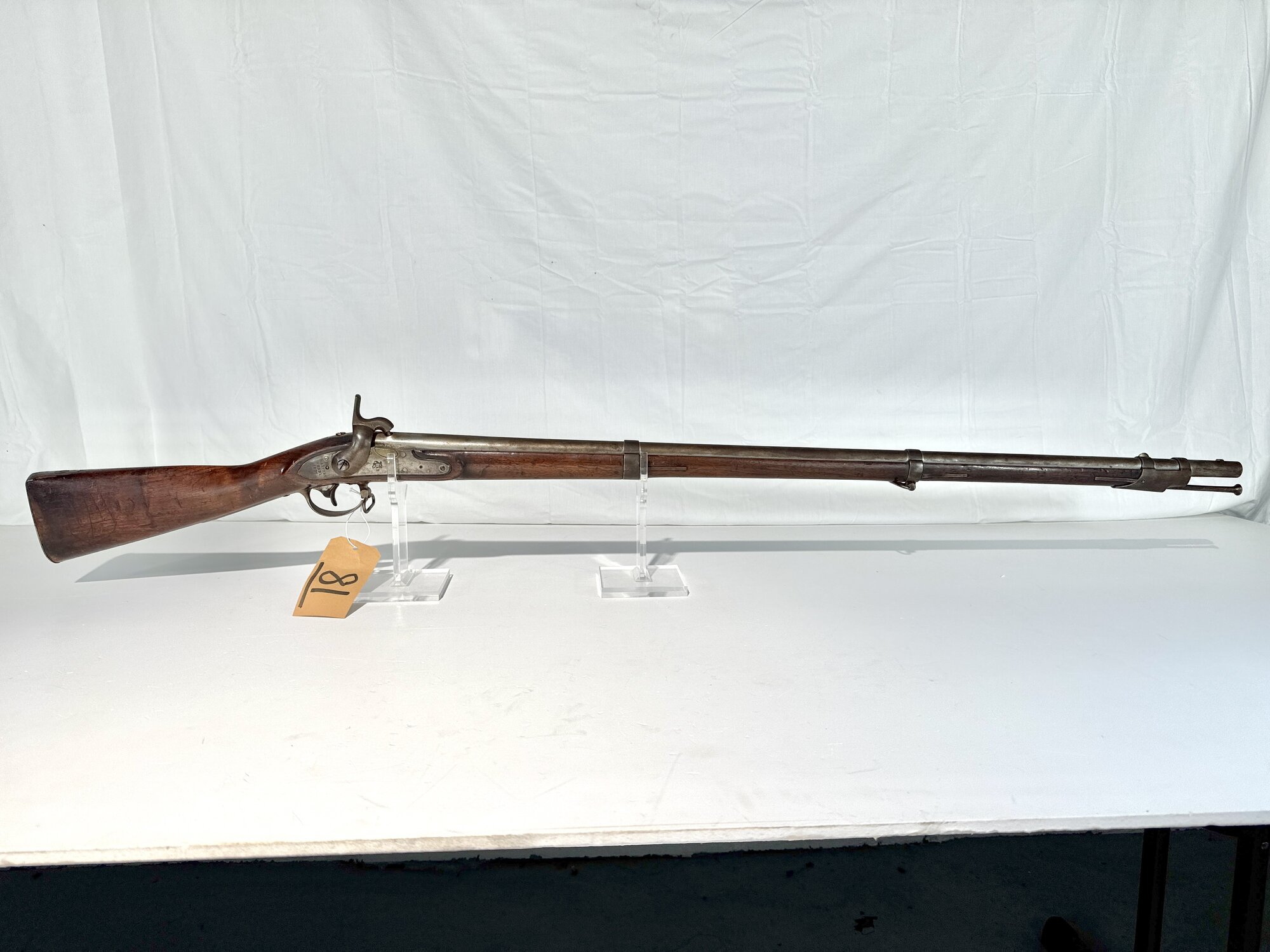
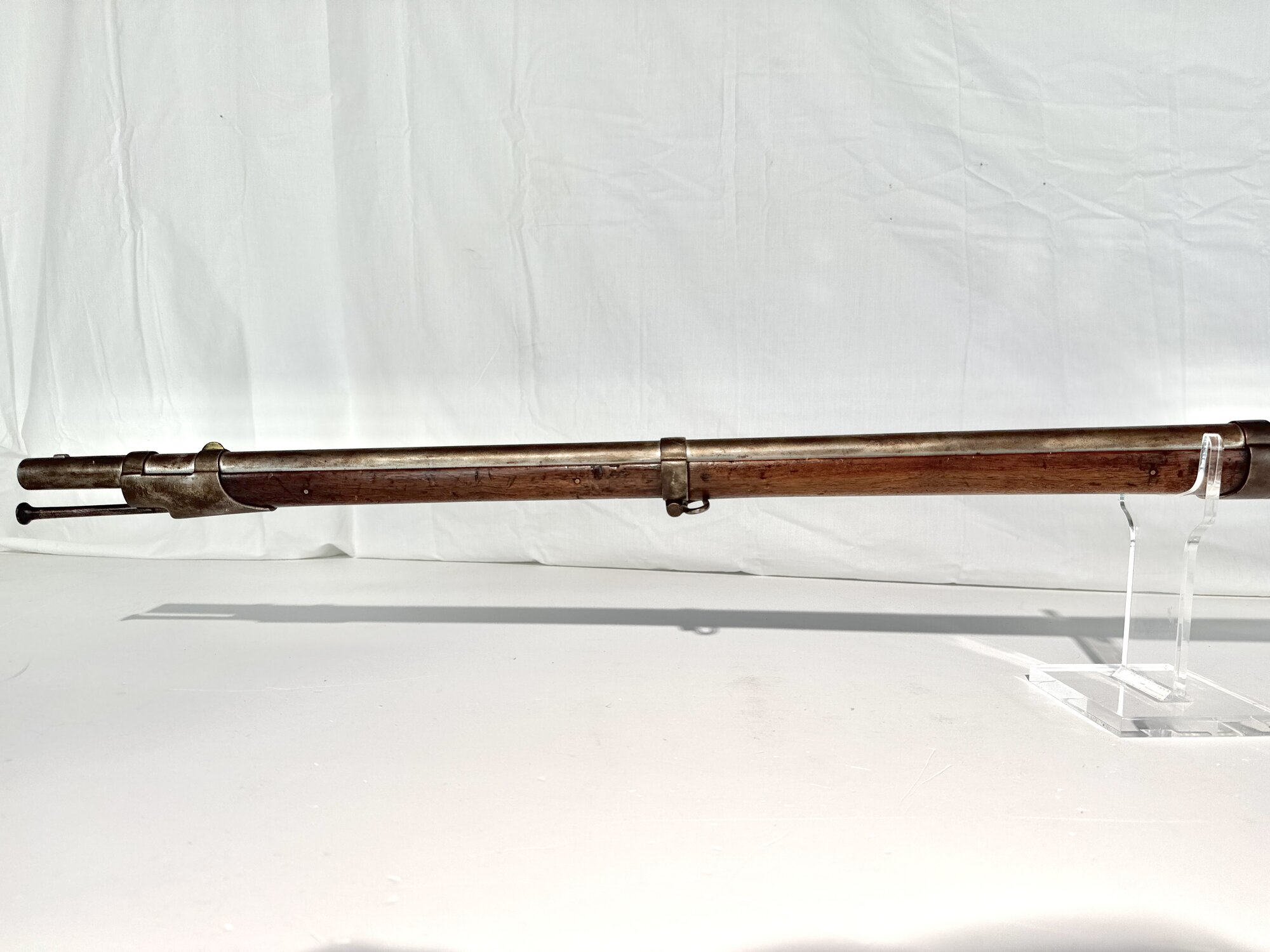
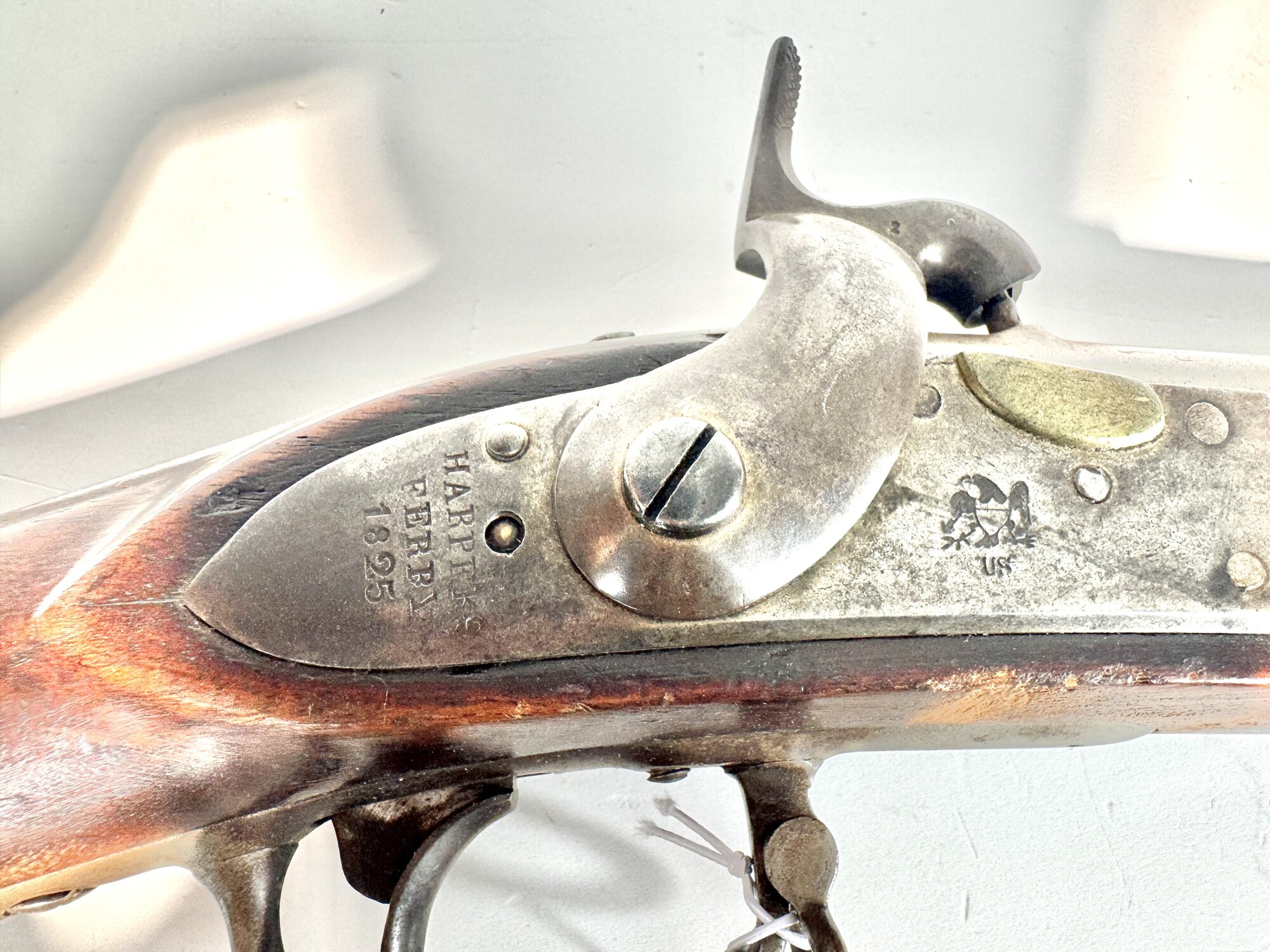
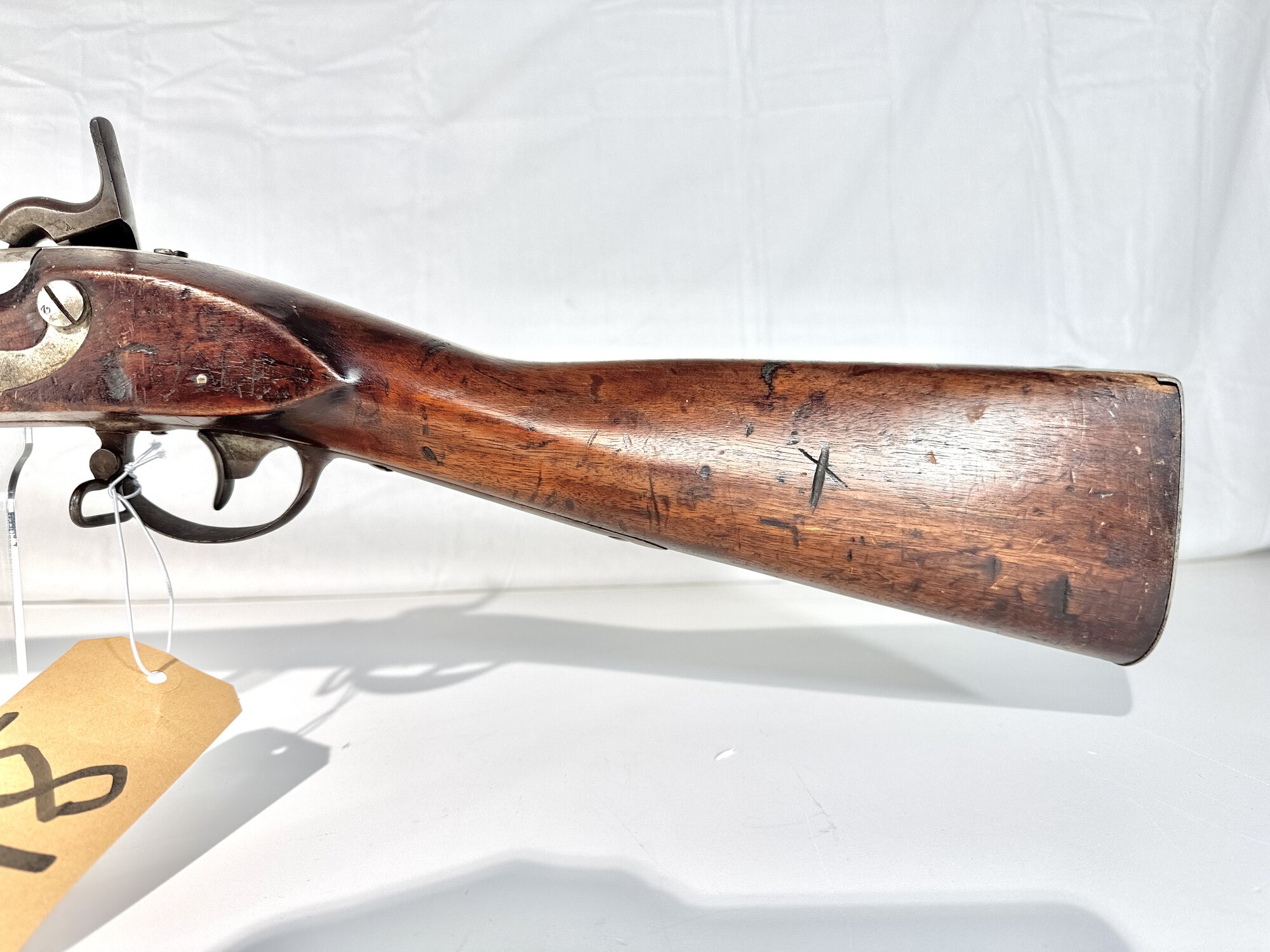
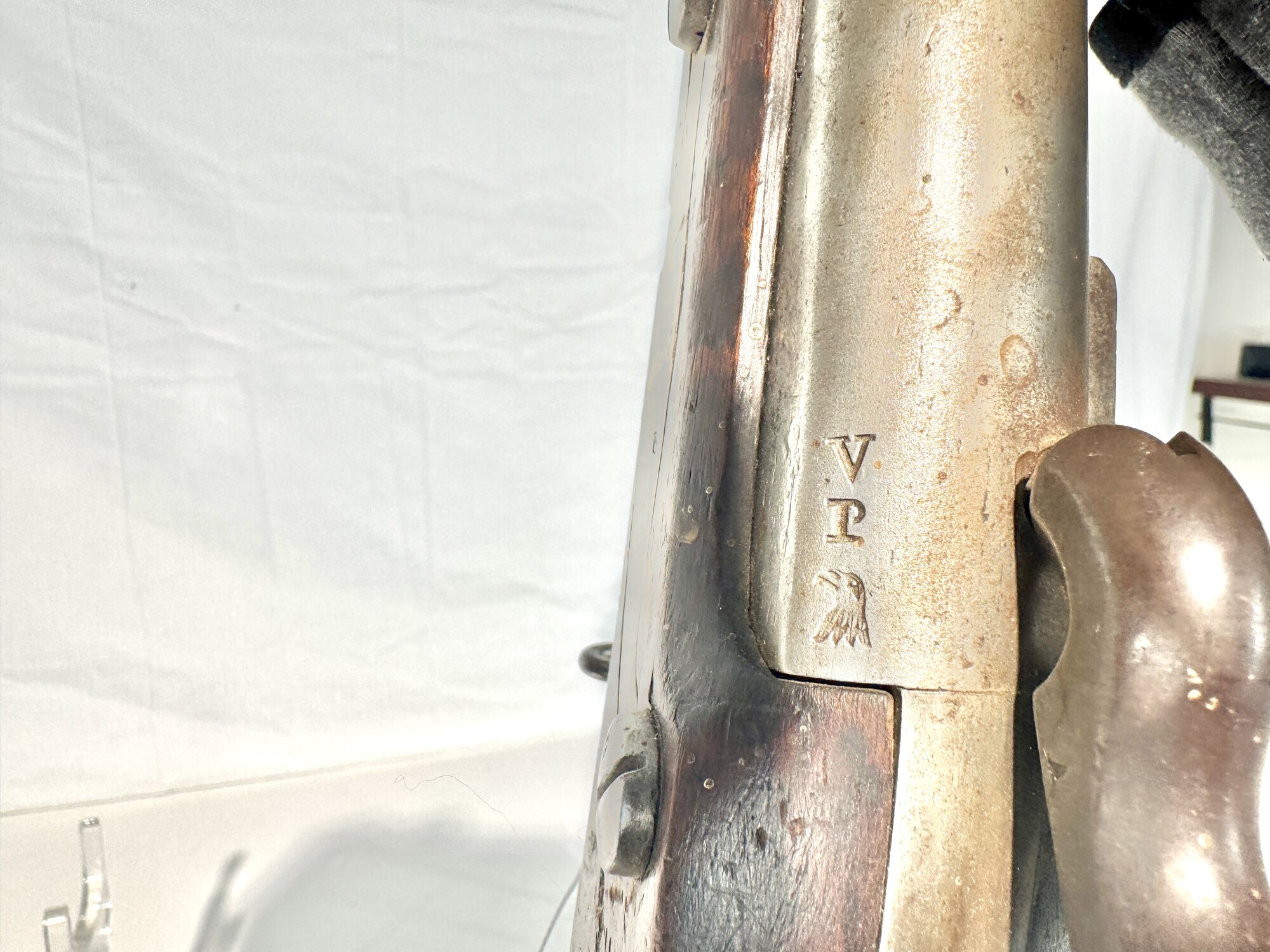
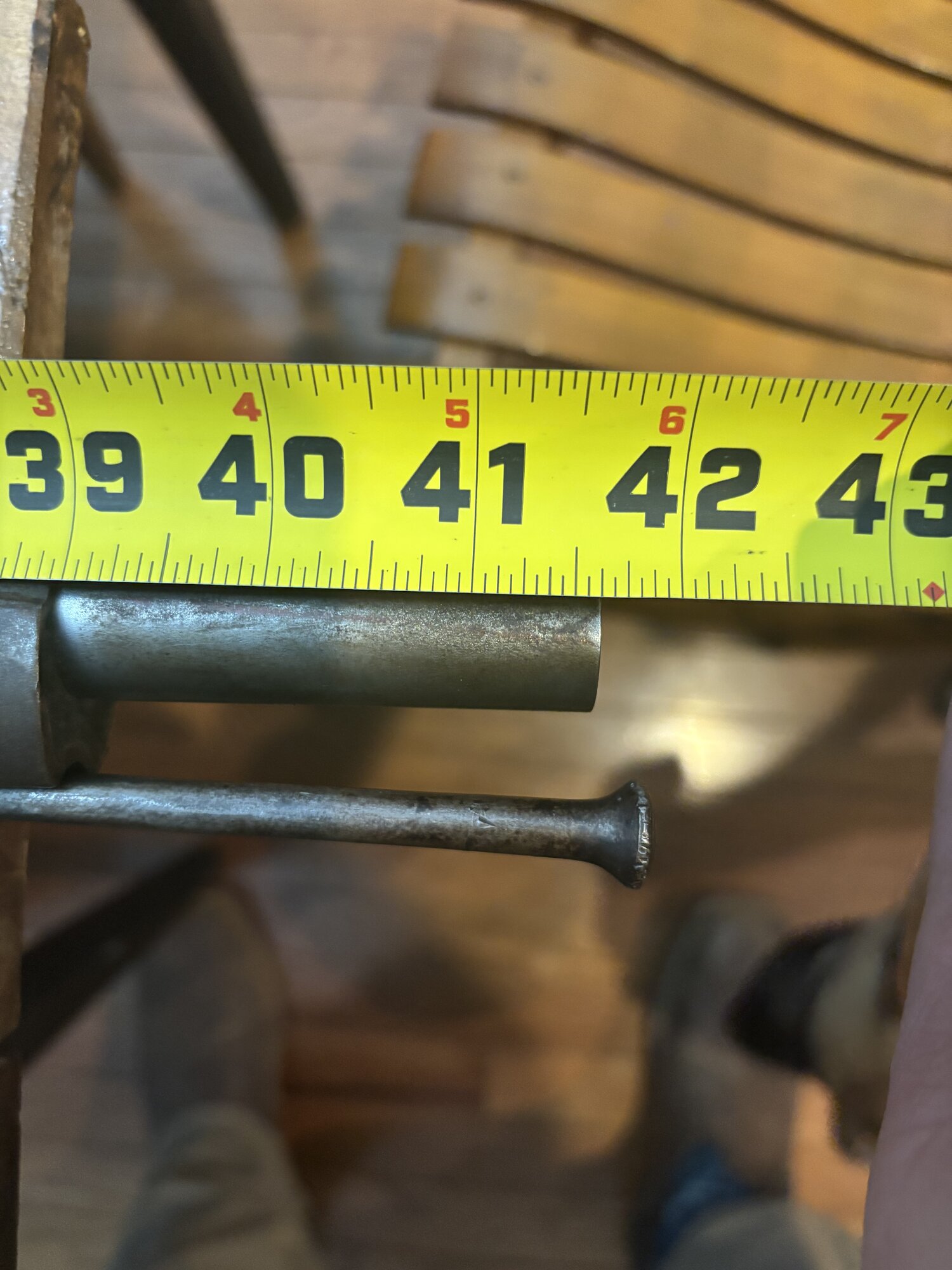
Hi all, I recently purchased this Harper's ferry model 1816 made in 1825 as a gift for my father. I had a few questions. What really struck out to me is how original this gun seems, almost every part on the gun is marked with a "2". The gun has of course been converted. Here's what makes it different than my other m1816s, first it's rifled, I can't find a whole lot of information about these being converted with Rifling. Second the barrel length has me puzzled most I see are 42", this one is 41 and 5/8". Was it cut just a tad when converted? Maybe it was damaged at the end and cut? I just don't see bubba cutting such a small section from the end and leaving the bayonet lug. Thanks for all your help!
IMG_7061.jpeg


IMG_7042.jpeg


IMG_7036.jpeg


IMG_6890.jpeg


IMG_6889.jpeg


IMG_6891.jpeg
 
From what I can see, it appears to be either an arsenal conversion or a Miles Greenwood conversion. Neither modified the breech and both rifled, but did not add rear sights, to both M1816s and M1842s. The actual conversion from flintlock was most likely done at an arsenal in the1850s and, if Greenwood rifled it, he did so in 1861 for the state of Ohio. The cupped ramrod was part of the rifling process. Annoyingly, Greenwood never marked his work, so it's nearly impossible to ID an unsighted Greenwood. I don't have the Arsenal numbers handy, but Greenwood rifled about 27,000 muskets, both sighted and unsighted.

I
 
One other thing, because of the thin walls of M1816 barrels, it's not uncommon to see cracks/chips at the muzzle of rifled conversions. It's quite possible that is what happened here and was trimmed back.

In an extreme example, I have a M1816 in which the muzzle was cut back almost two inches. The stock was remortised to accommodate the front barrel band keeper and the front sight put back on to accommodate a bayonet. This one has a Greenwood sight and it was likely done at his satellite shop in Louisville in early 1862.
 
I have a similar piece that was rifled and cut back at the muzzle to just before the front sight. It has Ohio stamps on it.. I picked up a bayonet that matched it perfectly and displayed with the bayonet fixed you don't notice it. View attachment 532170View attachment 532171
That looks a lot like mine. Even if the muzzles was chipped and if the musket was otherwise still functional, the demand for firearms early in the war dictated that shortening the barrel was completely acceptable.

For a bit more background on these things, Greenwood received a contract in October 1861 for "rifling and percussioning" captured Confederate muskets. That's why he set up shop in Louisville. One of the few (only?) distinguishing marks of this type of Greenwood is the checkering on the hammer. Compared to arsenal conversions, it's rather crude. Greenwood, at one time, sought to get extra hammers from the Springfield, but Riley turned him down.
 
Great musket ...ah I mean rifle. Seriously though great conversion, I always say conversions are so overlooked and can really be a great priced purchase.

I will also add that based on the study of the Lookout Mountain cave guns, shortened barrels cut back from muzzle/crown damage were more common that alot may think.
 

Learn About Us
About CivilWarTalk
Contact the Webmaster
Meet the Staff
Link to CivilWarTalk
Join Our Community
Register
Browse Forums
View Today's Discussions
Search the Forum
Get Help
FAQ
Student Guide
Forum Rules & Etiquette
Copyright / DMCA

     Contact Us CivilwarTalk on Facebook CivilWarTalk on YouTube CivilWarTalk on Twitter RSS Feed

Bringing the American Civil War and More to Life.
© 1999 - , CIVILWARTALK, LLC - Site Version 10.0

SlaveryTalk.com - SecessionTalk.com - CivilWarTalk.com - ReconstructionTalk.com
Back
Top