
- Joined
- Jan 16, 2015
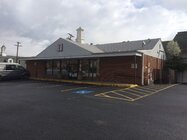
The Eagle Hotel (Washington House) was located on the north-east corner of the intersection of Washington Street and the Chambersburg Pike in Gettysburg. It had three stories, with a balcony running the length of the second floor, fronting the pike. It accessed hydrant water and had a well-stocked kitchen and bar, with ice for one's favorite alcoholic beverage. A horse stable was located behind the hotel for guests to board their mounts.
On the morning of July 1, Surgeon James Lorenzo Farley of the 14th Brooklyn, and Surgeon Algernon Sydney Coe of the 147th New York selected the hotel as a hospital for their respective regiments, in Brig. Gen. Lysander Cutler's brigade, which was soon fighting in and around the railroad cuts about a mile to the northwest. When the surgeons arrived the hotel was still filled with guests, but the growing sounds of battle convinced both the guests and the proprietors that it was time to go. The walking wounded, and ambulances carrying the more serious cases, began arriving around 10:45 a.m., victims of the attack by Confederate Brig. Gen. Joseph R. Davis' brigade. The hotel was soon filled with casualties, and so an adjoining building was pressed into service as well. The slightly wounded at the hotel, who were still armed, were not long in searching out and helping themselves to the liquor in the bar.
Surgeon Farley (1835-1886) was a Brooklyn native. Both he and Surgeon Coe received their medical degrees from the College of Physicians and Surgeons (Columbia College Medical Department) in New York City, Coe in 1854 and Farley in 1857. It is reported that Surgeon Farley previously encountered Confederate Maj. Gen. Richard Ewell at Gaines's Mill in 1862. Farley briefly ran into Ewell again at Gettysburg, the latter stating that he was "going to Philadelphia to get a new leg."
Late in the afternoon of July 1 the Union First Corps fell back through the town, pursued by the survivors of Col. Perrin's South Carolina brigade, who had just lost many of their comrades in their attack in front of the Lutheran Seminary. They were revengeful, although jubilant over their hard-won victory. As they made their way through town along the Chambersburg Pike, they were fired upon by a few slightly wounded (and intoxicated) Federal soldiers from the windows of the hotel. A dozen of the latter then converged at the entrance to directly confront the now very angry Confederate squad, which may have consisted mainly of soldiers from the 1st South Carolina. At that moment Surgeon Coe arrived on the scene. He had been a block away at the Samuel Weaver house and tavern tending to some wounded there. With great difficulty Coe succeeded in disarming his fellow soldiers, except for one Brooklyn lad who could not be persuaded and was shot through the heart. A Confederate officer rode up and stated his intent to raze the hotel, but he became distracted while showing off some captured trophies to Coe, and never carried out his threat.
The hotel continued to function as a hospital for two to three weeks after the battle; the wounded were eventually transferred to other hospitals. Nurse Harriet A. Dada visited on July 7 to meet 1st Lieutenant William P. Schenck of Company D, 147th New York. They came from the same hometown of Oswego. He told her, "I should have been ashamed to have remained at home and felt that others were sacrificing their lives for me." Lt. Schenck died at the Lutheran Seminary hospital on July 27. I have not yet been able to identify the 14th Brooklyn soldier who tempted fate on the battlefield only to be killed in front of the hotel.
(sources: A. S. Coe, The National Tribune, August 13, 1885; Greg Coco, A Vast Sea of Misery, pp. 24, 53; Edmund J. Raus, Jr., Ministering Angel, the Reminiscences of Harriet A. Dada, A Union Army Nurse in the Civil War, p. 32; Travis W. Busey and John W. Busey, Union Casualties at Gettysburg, 2:676; Green-Wood Cemetery Biographies - online.)
On the morning of July 1, Surgeon James Lorenzo Farley of the 14th Brooklyn, and Surgeon Algernon Sydney Coe of the 147th New York selected the hotel as a hospital for their respective regiments, in Brig. Gen. Lysander Cutler's brigade, which was soon fighting in and around the railroad cuts about a mile to the northwest. When the surgeons arrived the hotel was still filled with guests, but the growing sounds of battle convinced both the guests and the proprietors that it was time to go. The walking wounded, and ambulances carrying the more serious cases, began arriving around 10:45 a.m., victims of the attack by Confederate Brig. Gen. Joseph R. Davis' brigade. The hotel was soon filled with casualties, and so an adjoining building was pressed into service as well. The slightly wounded at the hotel, who were still armed, were not long in searching out and helping themselves to the liquor in the bar.
Surgeon Farley (1835-1886) was a Brooklyn native. Both he and Surgeon Coe received their medical degrees from the College of Physicians and Surgeons (Columbia College Medical Department) in New York City, Coe in 1854 and Farley in 1857. It is reported that Surgeon Farley previously encountered Confederate Maj. Gen. Richard Ewell at Gaines's Mill in 1862. Farley briefly ran into Ewell again at Gettysburg, the latter stating that he was "going to Philadelphia to get a new leg."
Late in the afternoon of July 1 the Union First Corps fell back through the town, pursued by the survivors of Col. Perrin's South Carolina brigade, who had just lost many of their comrades in their attack in front of the Lutheran Seminary. They were revengeful, although jubilant over their hard-won victory. As they made their way through town along the Chambersburg Pike, they were fired upon by a few slightly wounded (and intoxicated) Federal soldiers from the windows of the hotel. A dozen of the latter then converged at the entrance to directly confront the now very angry Confederate squad, which may have consisted mainly of soldiers from the 1st South Carolina. At that moment Surgeon Coe arrived on the scene. He had been a block away at the Samuel Weaver house and tavern tending to some wounded there. With great difficulty Coe succeeded in disarming his fellow soldiers, except for one Brooklyn lad who could not be persuaded and was shot through the heart. A Confederate officer rode up and stated his intent to raze the hotel, but he became distracted while showing off some captured trophies to Coe, and never carried out his threat.
The hotel continued to function as a hospital for two to three weeks after the battle; the wounded were eventually transferred to other hospitals. Nurse Harriet A. Dada visited on July 7 to meet 1st Lieutenant William P. Schenck of Company D, 147th New York. They came from the same hometown of Oswego. He told her, "I should have been ashamed to have remained at home and felt that others were sacrificing their lives for me." Lt. Schenck died at the Lutheran Seminary hospital on July 27. I have not yet been able to identify the 14th Brooklyn soldier who tempted fate on the battlefield only to be killed in front of the hotel.
(sources: A. S. Coe, The National Tribune, August 13, 1885; Greg Coco, A Vast Sea of Misery, pp. 24, 53; Edmund J. Raus, Jr., Ministering Angel, the Reminiscences of Harriet A. Dada, A Union Army Nurse in the Civil War, p. 32; Travis W. Busey and John W. Busey, Union Casualties at Gettysburg, 2:676; Green-Wood Cemetery Biographies - online.)

 Forum Host




 Bringing the