
- Joined
- Sep 4, 2014
- Location
- Lexington, SC
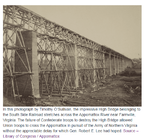
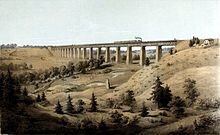
As, Lt Gen James Longstreet became aware of Lt. Gen Ulysses S. Grant's move to divide his forces and head off the retreating ANV with Calvary forces in Lee's front and Infantry to Lee's rear. Longstreet recognized that the mounted troops to their front would have been ordered to destroy the Confederates best chance of escape. High Bridge was an engineering marvel that spanned the Appomattox river. If the confederates had any chance at all, they must secure the bridge and cross the river. With this knowledge in mind a stern Longstreet dispatched his orders to Brig. Gen. Thomas Rosser and Colonel Thomas Munford to intercept the Yankees. The Union cavalry had to be destroyed, "Old Pete" emphasized to Rosser, exhorting him to finish the job even "if it took the last man of his command."
At around 4 am on April 6, 1865., Major General Edward Ord dispatched a raiding column, consisting of the 54th Pennsylvania and 123rd Ohio, plus three companies of the 4th Massachusetts Cavalry, with orders to burn the bridges. Ord considered the mission important enough to place his chief of staff, Brevet Brig. Gen. Theodore Read in command of the mission.
The Union cavalry under Colonel Francis Washburn beat the Confederates to the bridge and quickly drove off troops from the 3rd Virginia Reserves who were stationed in two redoubts below the river crossings. Shortly after, Rosser and Munford caught up with the Yankee raiders. They quickly ordered their men to dismount, and the Rebels slammed into Read's soldiers on their front and right flank. The sound of the fighting reached Washburn, who turned his companies about and hurried back to help Read. The furious collision between the dismounted Southern cavalry and their mounted Yankee counterparts resulted in a savage hand-to-hand fight during which Washburn was shot in the mouth and then slashed across the head with a saber. Confederate Brig. Gen. James Dearing, who had led the assault on Read's right, was mortally wounded while firing at Read, who also fell dead, possibly from Dearing's bullet. Dearing became the last Confederate general killed in the war.
Washburn's charge had been brave but futile, and his men were virtually annihilated. The Federal infantry fell back to the bridges, but surrendered after the Rebels attacked again. Rosser and Munford tallied up their spoils, which included 780 prisoners, six flags, an ambulance and even a brass band. When the Southern cavalrymen trotted back into their camp later in the day, Rosser was riding a fine black horse and carrying a new saber. "It was a gallant fight," he announced to Longstreet. "This is Read's horse and this is his saber. Both beauties aren't they?" More important than the prisoners and trophies was the fact that High Bridge remained in Southern hands, and Lee kept hold of an escape route from the fast deteriorating situation south of the river.
The all but starved to death Confederates were able to reach down to a place only soldiers know exist and were able to do what most would consider impossible. Fight a desperate struggle, defeat an enemy much better equipped and retain their only realistic hope of escape. There was certainly fight left in the few remaining men of the ANV.
At around 4 am on April 6, 1865., Major General Edward Ord dispatched a raiding column, consisting of the 54th Pennsylvania and 123rd Ohio, plus three companies of the 4th Massachusetts Cavalry, with orders to burn the bridges. Ord considered the mission important enough to place his chief of staff, Brevet Brig. Gen. Theodore Read in command of the mission.
The Union cavalry under Colonel Francis Washburn beat the Confederates to the bridge and quickly drove off troops from the 3rd Virginia Reserves who were stationed in two redoubts below the river crossings. Shortly after, Rosser and Munford caught up with the Yankee raiders. They quickly ordered their men to dismount, and the Rebels slammed into Read's soldiers on their front and right flank. The sound of the fighting reached Washburn, who turned his companies about and hurried back to help Read. The furious collision between the dismounted Southern cavalry and their mounted Yankee counterparts resulted in a savage hand-to-hand fight during which Washburn was shot in the mouth and then slashed across the head with a saber. Confederate Brig. Gen. James Dearing, who had led the assault on Read's right, was mortally wounded while firing at Read, who also fell dead, possibly from Dearing's bullet. Dearing became the last Confederate general killed in the war.
Washburn's charge had been brave but futile, and his men were virtually annihilated. The Federal infantry fell back to the bridges, but surrendered after the Rebels attacked again. Rosser and Munford tallied up their spoils, which included 780 prisoners, six flags, an ambulance and even a brass band. When the Southern cavalrymen trotted back into their camp later in the day, Rosser was riding a fine black horse and carrying a new saber. "It was a gallant fight," he announced to Longstreet. "This is Read's horse and this is his saber. Both beauties aren't they?" More important than the prisoners and trophies was the fact that High Bridge remained in Southern hands, and Lee kept hold of an escape route from the fast deteriorating situation south of the river.
The all but starved to death Confederates were able to reach down to a place only soldiers know exist and were able to do what most would consider impossible. Fight a desperate struggle, defeat an enemy much better equipped and retain their only realistic hope of escape. There was certainly fight left in the few remaining men of the ANV.


 Forum Host




 Bringing the