
JPK Huson 1863
Brev. Brig. Gen'l
- Joined
- Feb 14, 2012
- Location
- Central Pennsylvania
Just managed to erase an entire post, am starting allll over with a headache this time....
Found this, which again may be old hat for some here. Sounds more than ghastly, cannot imagine the numbers here- even for men somewhat ' used' to the sights of war this would have been beyond horrific especially for horse lovers. I realize a lot of men had no experience with horses pre-war. Some, like my grgrgrandfather had a lot. You can't tell me he'd spent his youth and adult life fooling around with them, being in charge of his family's business-end horses and mules and joine the cavalry by accident.This would have flattened him, and all those like him.


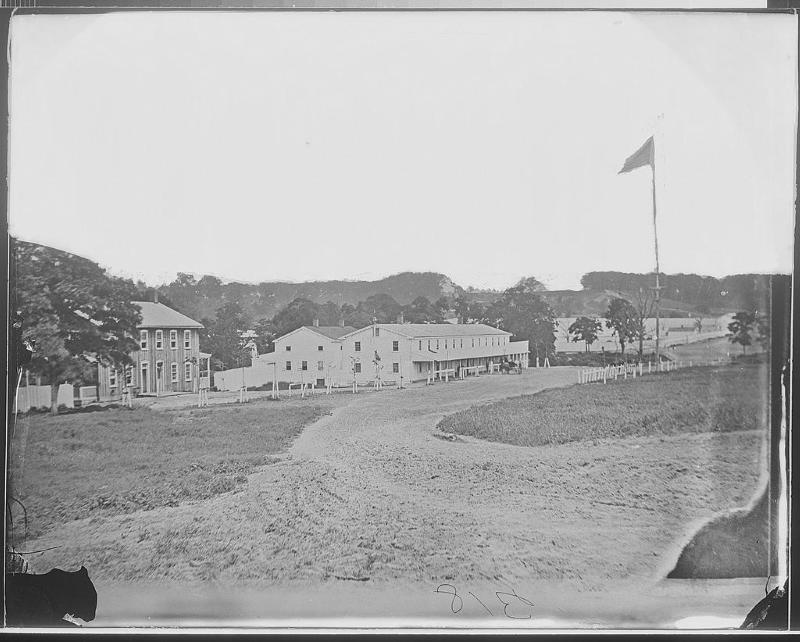
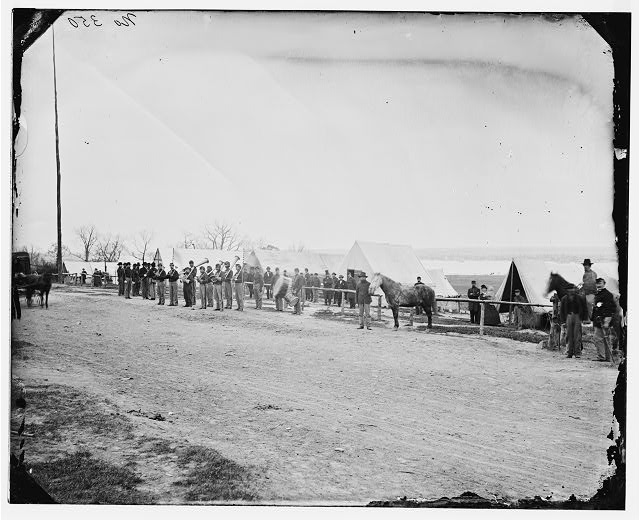
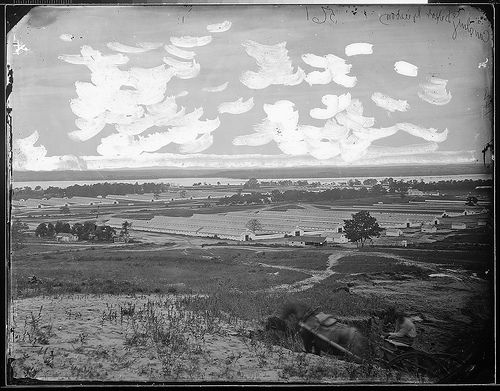
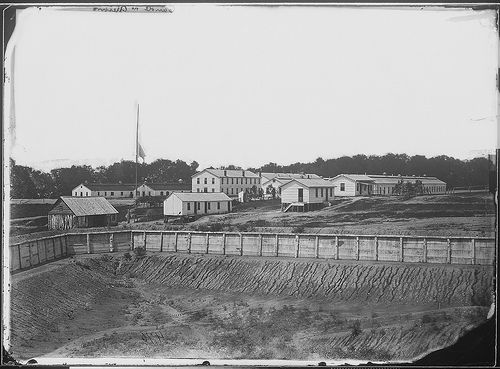
Some well known photos of the Point. Will try to pull up more extensive stories on this unless some has something ( would be helpful- I'd be starting from zero, no idea what the best sources would be ).

Found this, which again may be old hat for some here. Sounds more than ghastly, cannot imagine the numbers here- even for men somewhat ' used' to the sights of war this would have been beyond horrific especially for horse lovers. I realize a lot of men had no experience with horses pre-war. Some, like my grgrgrandfather had a lot. You can't tell me he'd spent his youth and adult life fooling around with them, being in charge of his family's business-end horses and mules and joine the cavalry by accident.This would have flattened him, and all those like him.
Some well known photos of the Point. Will try to pull up more extensive stories on this unless some has something ( would be helpful- I'd be starting from zero, no idea what the best sources would be ).

 Forum Host


 Bringing the