William Haines Lytle (November 2, 1826 – September 20, 1863) was a politician in
Ohio, renowned
poet, and military officer in the
United States Army during both the
Mexican-American War and
American Civil War, where he was killed in action as a
brigadier general.
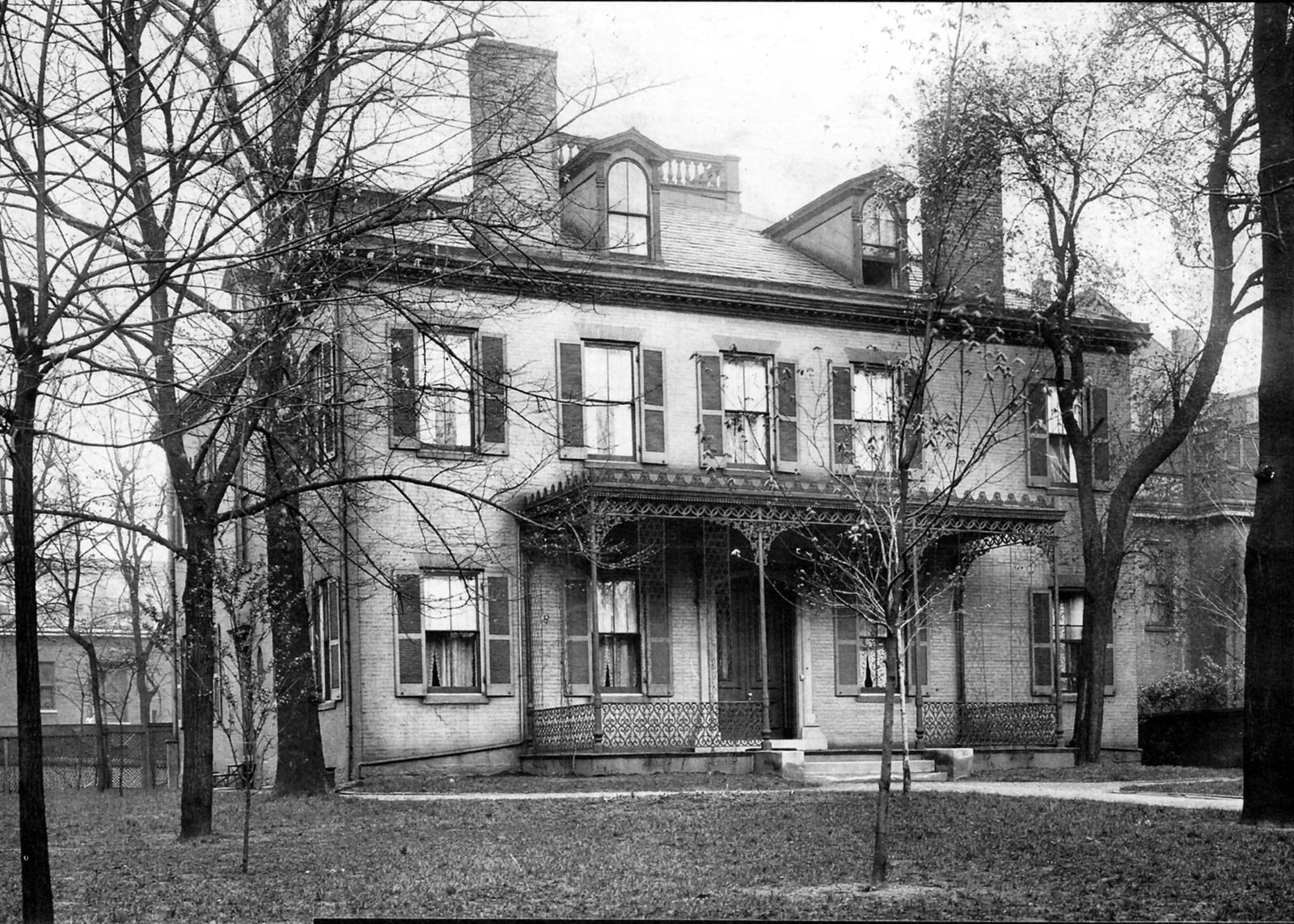
View attachment 41373
The Lytle Homestead in Cincinnati, Ohio
View attachment 41374
Modern view of the Lytle Homestead Grounds (Lytle Park)
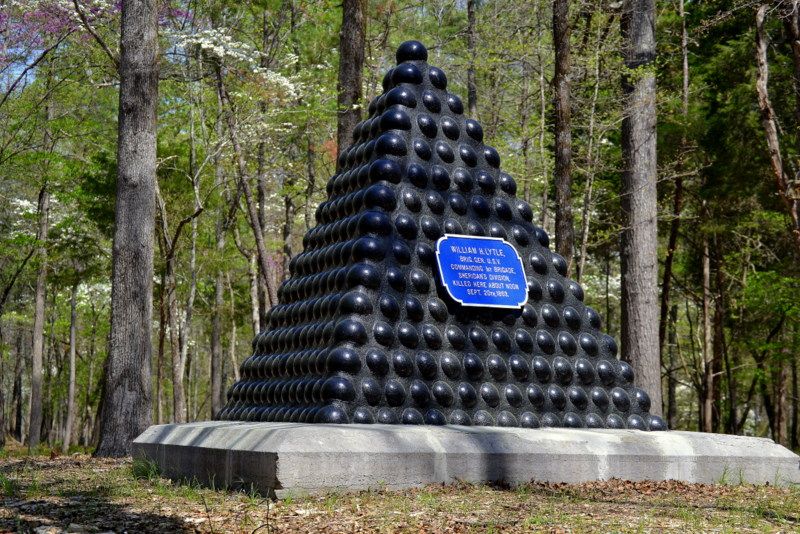
View attachment 41375
Brigadier General William H. Lytle's Cannon Shell Pyramid Monument at Chickamauga (Death Site)
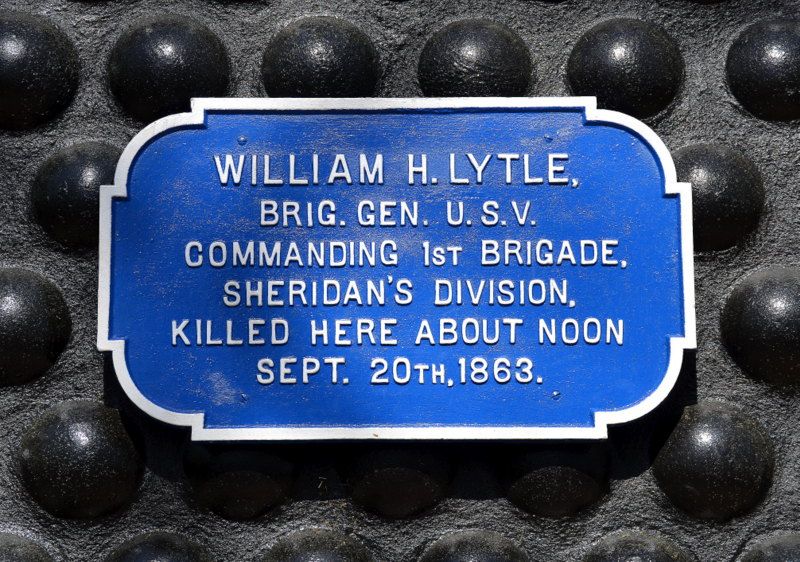
View attachment 41376
Monument Plaque
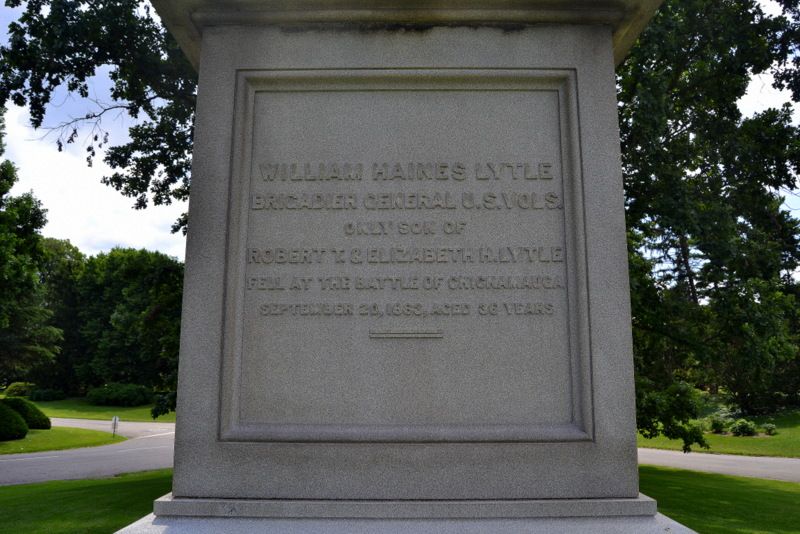
View attachment 41377
Lytle's Grave Site at the Spring Grove Cemetery in Cincinnati, Ohio
View attachment 41378
Plaque Close-Up (Battle of Chickamauga)
View attachment 41379
Rear of the Monument
View attachment 41380
Great photos ! Thanks for sharing.
WILLIAM HAINES LYTLE
Lytle, William H., brigadier-general, was born in
Cincinnati, Ohio, Nov. 2, 1826. He was graduated at
Cincinnati college, studied law, and served in the Mexican war
as 2nd lieutenant and subsequently captain in the 2nd Ohio
infantry. After the war he practiced law in Ohio, was elected
to the Ohio legislature, and in 1857 was the unsuccessful
candidate of the Democratic party for governor of Ohio. At
the outbreak of the Civil war he was major-general of militia,
commanding the 1st division Ohio militia, and he mustered for
the three months, service the 5th, 6th, 9th, and 1Oth
regiments. He was commissioned colonel of the 1Oth Ohio
infantry, and at Carnifix ferry, Sept. 1O, 1861, where he
commanded a brigade, he was severely wounded. On his recovery
he commanded a camp of instruction and rendezvous at
Bardstown, Ky., and subsequently a brigade in the Army of the
Ohio, and served in the Alabama campaign and during Gen.
Buell's march into Kentucky, where he covered the rear of the
army. At Perryville, Oct. 8, 1862, where he distinguished
himself for gallantry in leading a charge, he was severely
wounded and left on the field for dead. He was captured, and
while in captivity was promoted brigadier-general of
volunteers, Nov. 29, 1862. He was exchanged Feb. 4, 1863,
served in the Chickamauga campaign, and at Chickamauga, Sept.
20, 1863, he was killed while leading a charge of his brigade.
Gen. Lytle was the author of a number of poems, the best-known
of which is the poem beginning: "I am dying, Egypt, I am
dying," first published July 29, 1858.
Source: The Union Army, vol. 8

 Forum Host





 Bringing the