 Forum Host
- Joined
- Aug 25, 2012
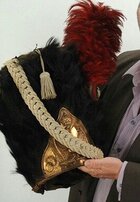
Prior to the outbreak of the Civil War almost every state had at least a couple of militia companies that wore tall fur caps or what we know as bearskins. These were very popular in the 1850s. The high cost of this style of headgear limited the use of bearskins to wealthier militia companies. Most of the mulita companies that wore bearskins also had other styles of headwear that was worn for less formal duties.
When a unit left for active service their bearskins were put into storage.I do not know of any examples of bearskins being worn in combat during the Civil War.
Bearskins started in Europe with many southern European nations adopting them for grenadines in the 1660s or early 1700s while most northern European nations used the mitres for their grenadiers. The style used in the United States in the years leading up to the Civil War had a British look to them.
Some facts about the bearskins worn by the British Grenadiers Guards. The men's caps are made from Canadian back bear fur, while the officer's caps are made from female Canadian brown bears, dyed black.
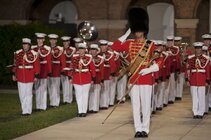
The U.S. Marine Band still wear bearskins. In Europe bearskins are worn by ceremonial grenadier units and guards units; British Grenadier Guards, Belgian Grenadiers, Danish Life Guards, Italian Grenadiers, Dutch Grenadiers and the Swedish Life Guards. Bearskins may be fazed out do to animal rights activists protesting their use.
When a unit left for active service their bearskins were put into storage.I do not know of any examples of bearskins being worn in combat during the Civil War.
Bearskins started in Europe with many southern European nations adopting them for grenadines in the 1660s or early 1700s while most northern European nations used the mitres for their grenadiers. The style used in the United States in the years leading up to the Civil War had a British look to them.
Some facts about the bearskins worn by the British Grenadiers Guards. The men's caps are made from Canadian back bear fur, while the officer's caps are made from female Canadian brown bears, dyed black.
The U.S. Marine Band still wear bearskins. In Europe bearskins are worn by ceremonial grenadier units and guards units; British Grenadier Guards, Belgian Grenadiers, Danish Life Guards, Italian Grenadiers, Dutch Grenadiers and the Swedish Life Guards. Bearskins may be fazed out do to animal rights activists protesting their use.



 Bringing the