
Bonny Blue Flag
1st Lieutenant
- Joined
- Jun 21, 2008
- Location
- Grand Prairie, Texas
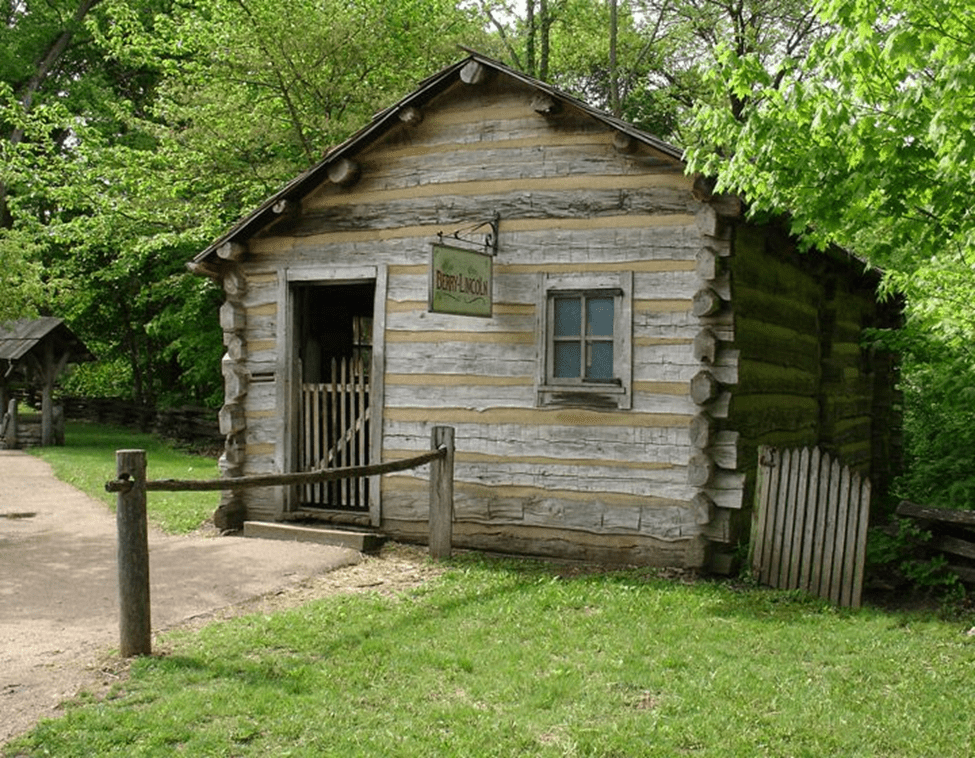
In January 1833 in New Salem, Illinois, Lincoln partnered with his friend from his militia days, William F. Berry, to purchase a small store, which they named Berry and Lincoln. Stores could sell alcohol in quantities greater than a pint for off-premises consumption, but it was illegal to sell single drinks to consume at the store without a license. In March 1833, Berry and Lincoln were issued a tavern, or liquor, license, which cost them $7 and was taken out in Berry's name. Stores that sold liquor to consume on the premises were called groceries.
So what did they serve? Half pints of French brandy for 25 cents, peach brandy for 18.75 cents, and apple brandy for 12 cents. Half pints of Holland gin cost 18.75 cents, while domestic gin was 12.5 cents. Wine cost 25 cents, rum was 18.75 cents, and whiskey was 12.5 cents. They could also sell food—breakfast, dinner, and supper were each 25 cents—and put people up for the night. Lodging was 12.5 cents per night, and horses could stay for 25 cents, with feed going for 12.5 cents. Takeout meals for stage passengers cost 37.25 cents, and they also sold beer and cider.
Lincoln's foray into the world of booze was short-lived—Berry was apparently an alcoholic and took advantage of the new liquor license to drink while he was working in the store. Lincoln spent more time dealing with customers and his down time reading, and they fell into debt. In April 1833, he sold his interest in the store to Berry and was appointed Postmaster of New Salem on May 7, 1833. Berry died two years later, and Lincoln assumed the debts from the business. It wasn't until 1848, when Lincoln was a congressman, that he was able to pay off the whole debt.
Lincoln did not mention this licensure or owning a "bar" during the rest of his public/political life.

Sources:
www.procaffenation.com
www.chicagoist.com
--BBF
So what did they serve? Half pints of French brandy for 25 cents, peach brandy for 18.75 cents, and apple brandy for 12 cents. Half pints of Holland gin cost 18.75 cents, while domestic gin was 12.5 cents. Wine cost 25 cents, rum was 18.75 cents, and whiskey was 12.5 cents. They could also sell food—breakfast, dinner, and supper were each 25 cents—and put people up for the night. Lodging was 12.5 cents per night, and horses could stay for 25 cents, with feed going for 12.5 cents. Takeout meals for stage passengers cost 37.25 cents, and they also sold beer and cider.
Lincoln's foray into the world of booze was short-lived—Berry was apparently an alcoholic and took advantage of the new liquor license to drink while he was working in the store. Lincoln spent more time dealing with customers and his down time reading, and they fell into debt. In April 1833, he sold his interest in the store to Berry and was appointed Postmaster of New Salem on May 7, 1833. Berry died two years later, and Lincoln assumed the debts from the business. It wasn't until 1848, when Lincoln was a congressman, that he was able to pay off the whole debt.
Lincoln did not mention this licensure or owning a "bar" during the rest of his public/political life.
Sources:
www.procaffenation.com
www.chicagoist.com
--BBF


 Forum Host


 Bringing the