1863 Springfield, Type 2

Kipling

Private
Joined
Jan 20, 2015
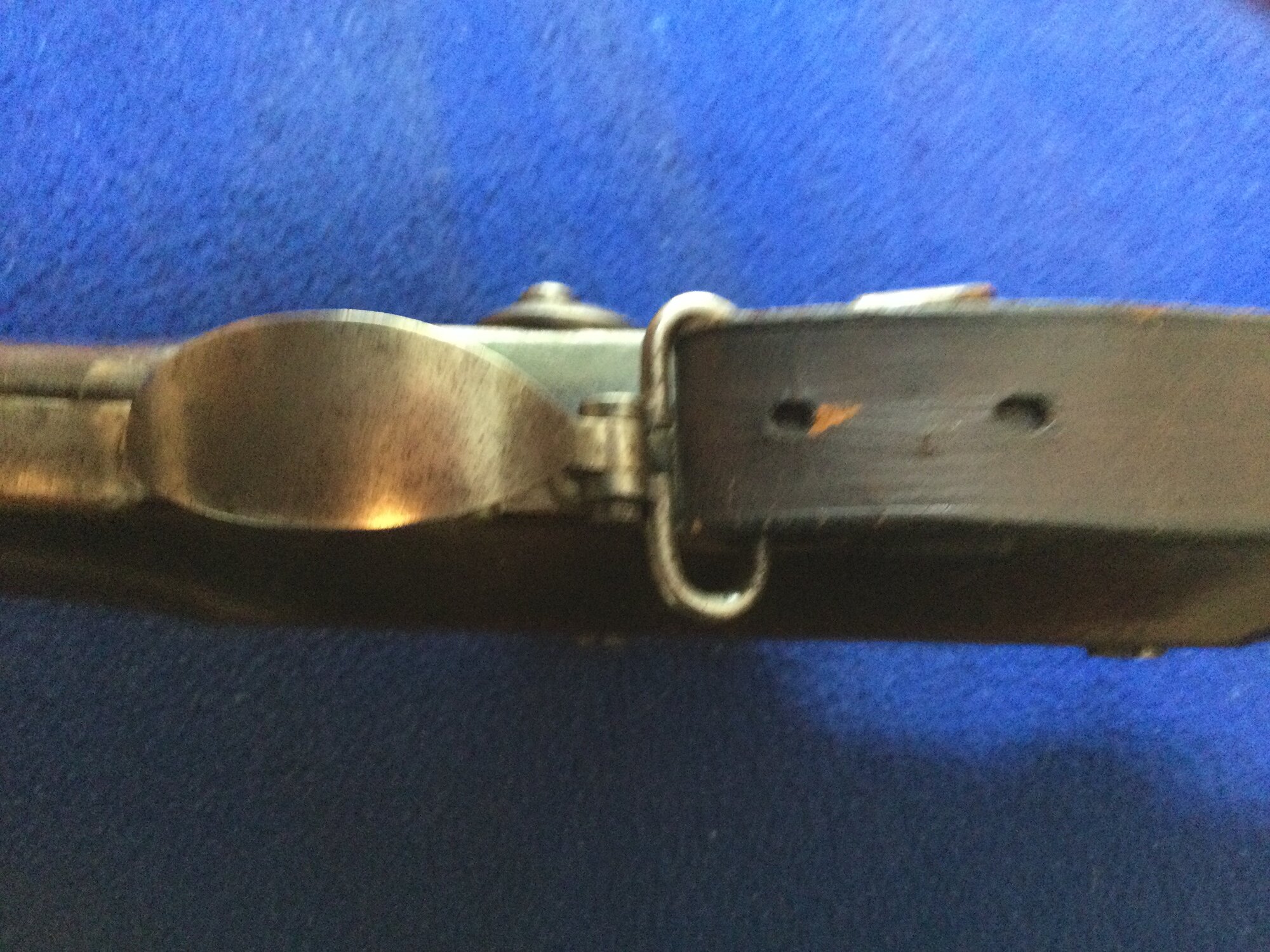
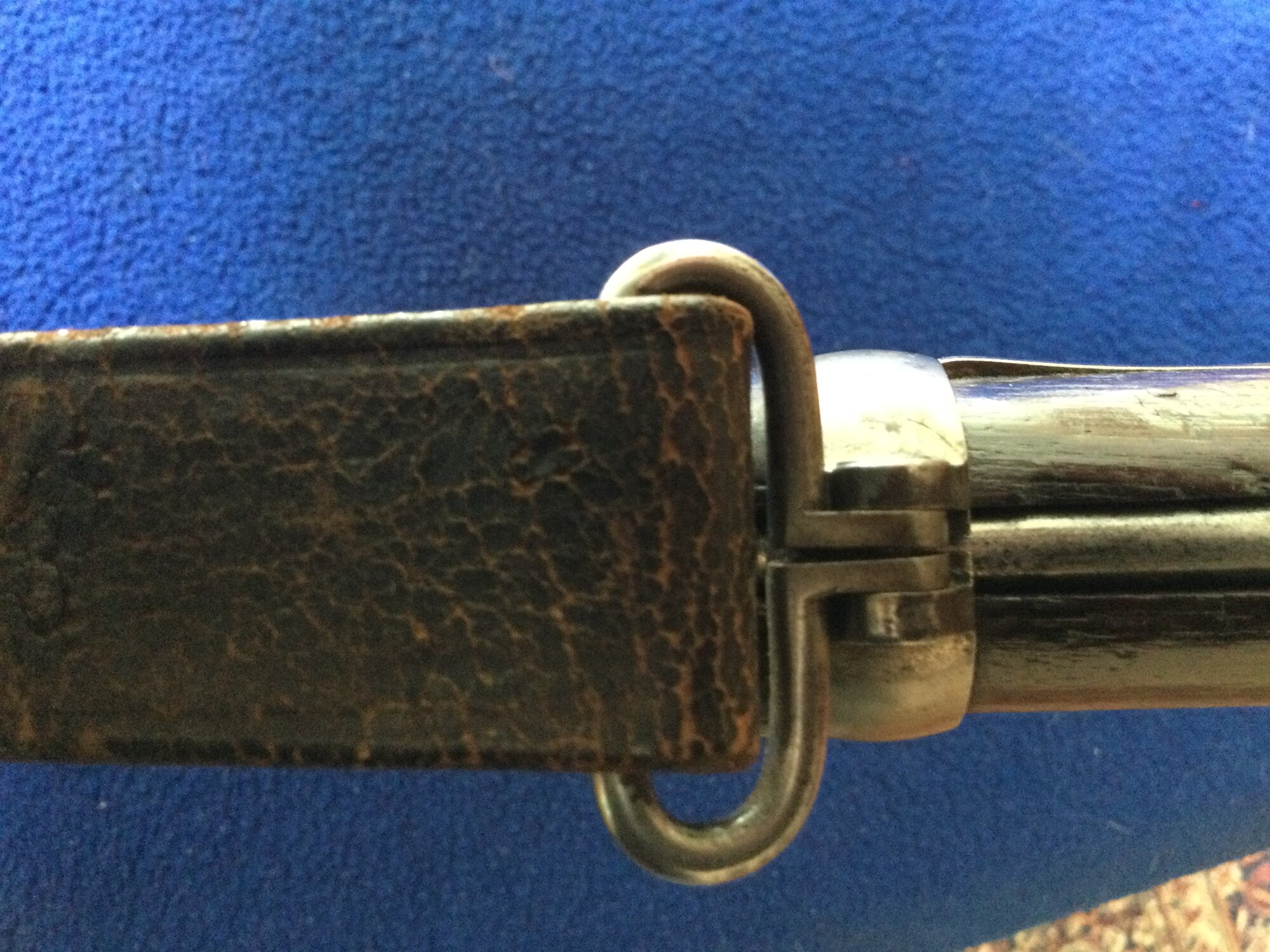
I recently purchased a nice condition 1863 Springfield complete with its leather sling and bayonet. I would like to know what would be the best way to treat and/or preserve the leather sling. I have used Black Rock "Leather & Rich" in the past but wonder if this is OK ……or should I leave it alone? I would appreciate any advice, thanks.

Attached are a couple of photos.

7214455D-76B2-43B9-9533-3902781B52DF.jpeg


1453E44C-D3EE-49D4-BF69-F085AA739C0A.jpeg


85DA5E3C-E111-41B0-AECE-26C72E877E06.jpeg


CC0776DF-0793-4AB0-AC69-A25673E5C329.jpeg


D9A046DE-D28F-4BCA-86DF-61455EECA3DD.jpeg
 
Nice Springfield and the leather doesn't look that bad. When you ask that question here you will be some great different answers. I have used Pecards with great success in the past but just wait and see what some of our other folks say. With leather I'm going to page @Package4
 
1656032457882.png


Here is everything you need for that rifle musket, actually an M1864 as per the US Army. The Kramers is ideal for the wood and steel and the other 3 items are perfect for the leather. I have some recent experience in restoring leather.

WW1 M1912 picket pin Before:
1656032592575.png


After:
1656032628723.png
 
I recently purchased a nice condition 1863 Springfield complete with its leather sling and bayonet. I would like to know what would be the best way to treat and/or preserve the leather sling. I have used Black Rock "Leather & Rich" in the past but wonder if this is OK ……or should I leave it alone? I would appreciate any advice, thanks.

Attached are a couple of photos.

View attachment 443764

View attachment 443765

View attachment 443766

View attachment 443767

View attachment 443768
Leave it alone, it has already been given a black dressing, these were largely issued in the raw and not blackened. Nice piece.
 
Leave it alone, it has already been given a black dressing, these were largely issued in the raw and not blackened. Nice piece.

What he said, you should do.

You'll find conflicting opinions on many collection preservation issues, and the treatment of old leather is sure one of them.

I do know that there were many methods of tanning leather, and this means that treatment that works well for one old piece of leather may be bad for another which was tanned in a different way back in 1864!.

Mix in the different sorts of thread used in the stitching, and the different treatments which might have been used on this over the years, and that adds to the possibility of damage.
I've always heard that neatfoot oil will destroy old stitching. Notice that the photo above, the bottle is labelled "neatsfoot compound" and that means there are likely some other additives.

All this means that what works for one item might have different effects on another.

I think this looks okay as it is - it had likely stayed in good shape without treatement for 150 years and can last a bit longer.

((But if I was going to put something on it, and it was my leather, I would use the Pecards made for antique leather))
 
Last edited:
Thank you all for your input, I really appreciate it. As you said, UCVRelics, a bunch of different answers all of which are interesting! Great job on the picket pin scabbard, Johan.

I think I am going to leave the sling as it is for now. It's made it for 158 years so far and it looks pretty good for its age.
 
Thank you all for your input, I really appreciate it. As you said, UCVRelics, a bunch of different answers all of which are interesting! Great job on the picket pin scabbard, Johan.

I think I am going to leave the sling as it is for now. It's made it for 158 years so far and it looks pretty good for its age.
There is nothing wrong with that approach, I was dealing with a lot of mold and the beginningws of rot as well as active rust. And paying $10 for it I didn't have a lot to lose so I went to town. The first picture doesn't do justice to just how poor a condition it was in.
 
What he said, you should do.

You'll find conflicting opinions on many collection preservation issues, and the treatment of old leather is sure one of them.

I do know that there were many methods of tanning leather, and this means that treatment that works well for one old piece of leather may be bad for another which was tanned in a different way back in 1864!.

Mix in the different sorts of thread used in the stitching, and the different treatments which might have been used on this over the years, and that adds to the possibility of damage.
I've always heard that neatfoot oil will destroy old stitching. Notice that the photo above, the bottle is labelled "neatsfoot compound" and that means there are likely some other additives.

All this means that what works for one item might have different effects on another.

I think this looks okay as it is - it had likely stayed in good shape without treatement for 150 years and can last a bit longer.

((But if I was going to put something on it, and it was my leather, I would use the Pecards made for antique leather))
Great post Jeff, until the very end, Pecards was the darling of collectors and even museums for a short time, until it was found that it actually did more long term damage than it helped. I would only use it in extreme measure where there was already red rot that I would want to arrest. Pecards actually seals the leather not allowing it to breathe and if there are mold spores within the seal, look out. Many museums now specifically call out Pecards as a substance not to use in their collections.

Unintentionally, I treated some leather items with Pecards and left them for years in a Tupperware container. When I opened the container recently, the amount of white mold was alarming, though easily cleaned with a new glycerin compound now recommended.
 
What is that glycerin compound you suggest?
There are a couple of museum concoctions and I will forward to you, one is the British Dressing formula, if I recall correctly. The other was a Texas A&M formula as well as the NPS and Smithsonian. I've posted them before, but you have to really want to treat your leather to get that involved.

I typically put my pieces in a ziplock bag, remove as much air as possible then dry store in another container.
 

Learn About Us
About CivilWarTalk
Contact the Webmaster
Meet the Staff
Link to CivilWarTalk
Join Our Community
Register
Browse Forums
View Today's Discussions
Search the Forum
Get Help
FAQ
Student Guide
Forum Rules & Etiquette
Copyright / DMCA

     Contact Us CivilwarTalk on Facebook CivilWarTalk on YouTube CivilWarTalk on Twitter RSS Feed

Bringing the American Civil War and More to Life.
© 1999 - , CIVILWARTALK, LLC - Site Version 10.0

SlaveryTalk.com - SecessionTalk.com - CivilWarTalk.com - ReconstructionTalk.com
Back
Top