rexmerdinus
Cadet
- Joined
- Jun 24, 2026
- Location
- Sandusky, OH
Good morning, and thanks for approving me for the forum. I found it because I was researching my twice great grandfather's service (I have his discharge papers and GAR service medal hanging on my living room wall), but now that I'm in I also wanted to post about an old musket I picked up at an estate sale a while back.
The piece is a Springfield with the date 1832 on the lock. From what I've seen, I believe it is a percussion conversion of an 1816 (I don't know anything about Type I, II, III, etc.). First question--am I on the right track in this identification? The wood is very nice, which is what originally got my attention. There are three cartouches I can find--two on the left side and one on the bottom behind the trigger guard--and a partially readable date on the barrel tang on top. The part that the nipple screws into (bolster?) is missing a plug screw. This was actually plugged with a hex nut when I bought it, which didn't seem quite right, but also makes me think maybe the previous owner was actually firing it from time to time This is where my second question begins--the bolster doesn't seem original, but is it even period correct?
The breech of the barrel has a bit of gunk in it--is it advisable to twist out the breech plug for a good thorough cleaning? The barrel is so long that I don't have a modern cleaning rod that will go all the way down!
I'd be interested in any available information for this old beauty. Did I get a good deal at ~$500? I will post some pictures below.

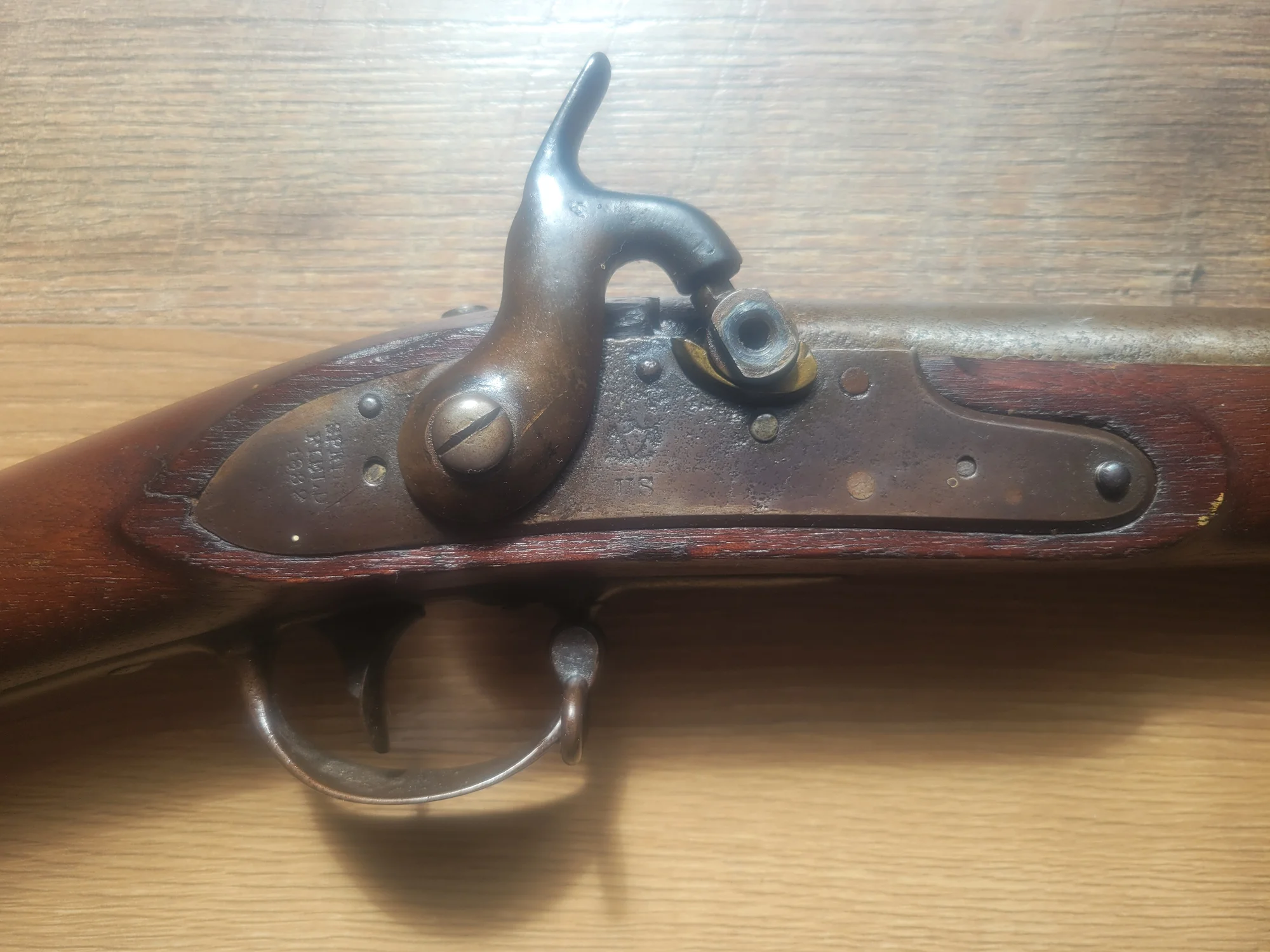

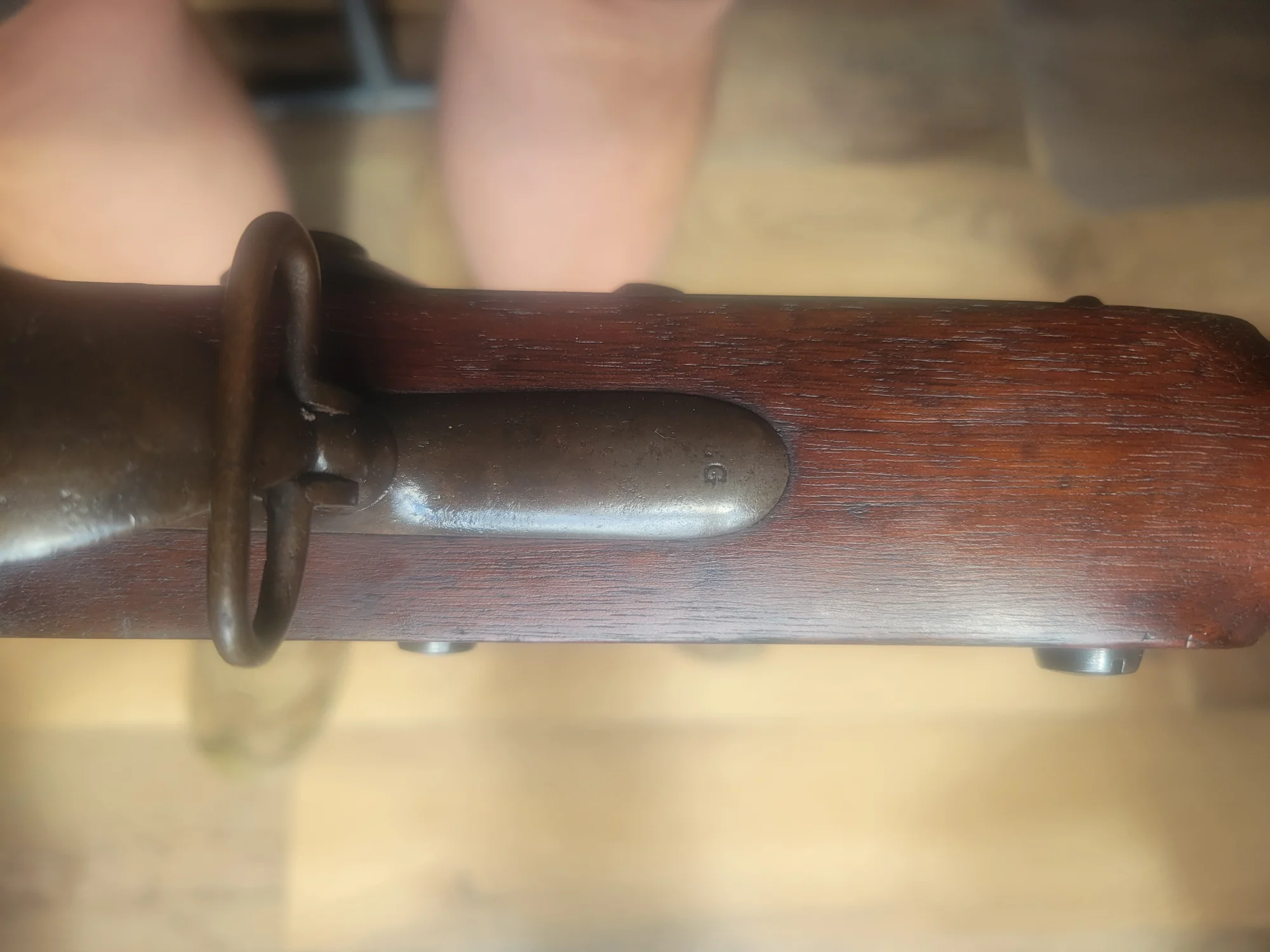
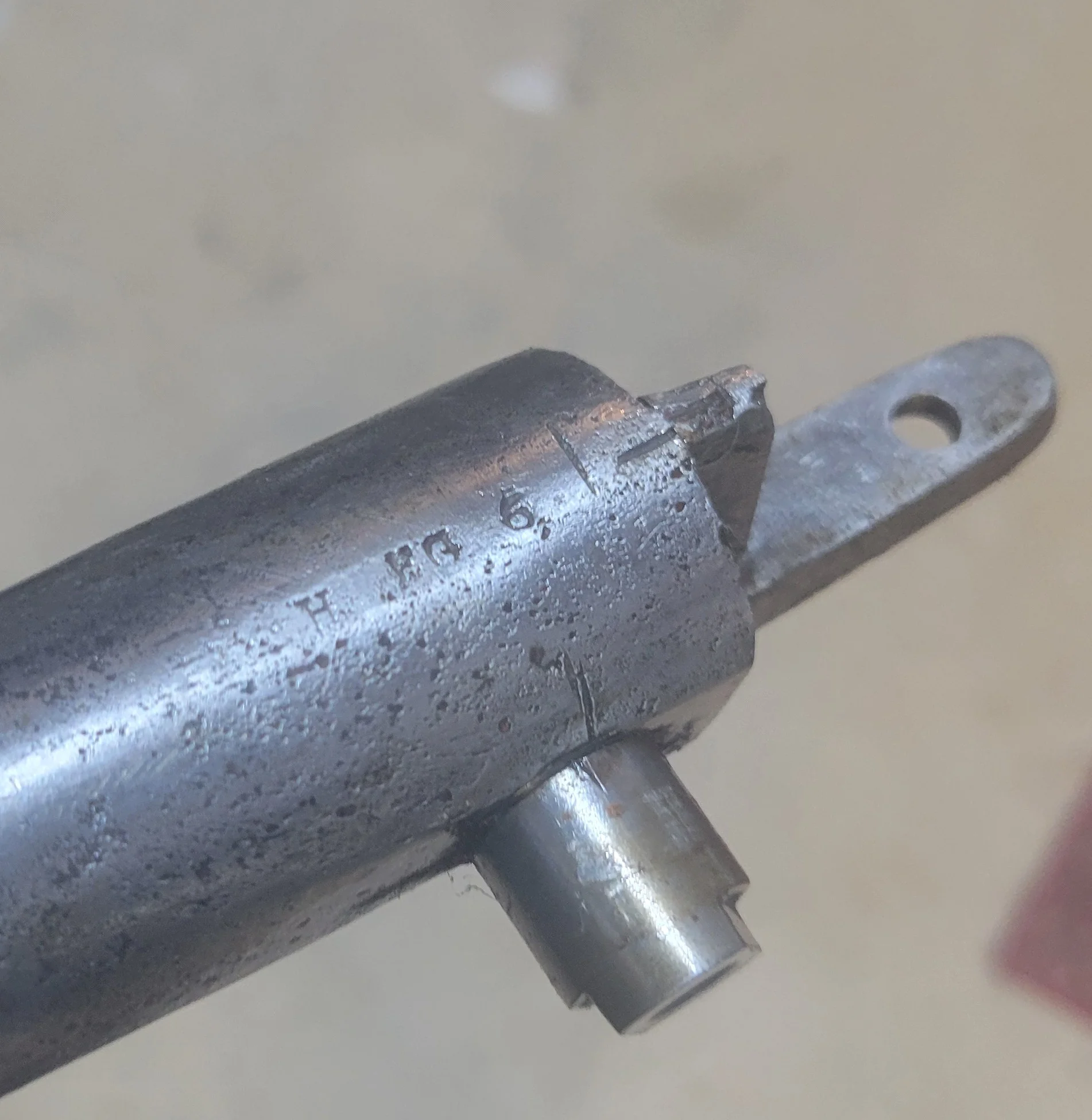
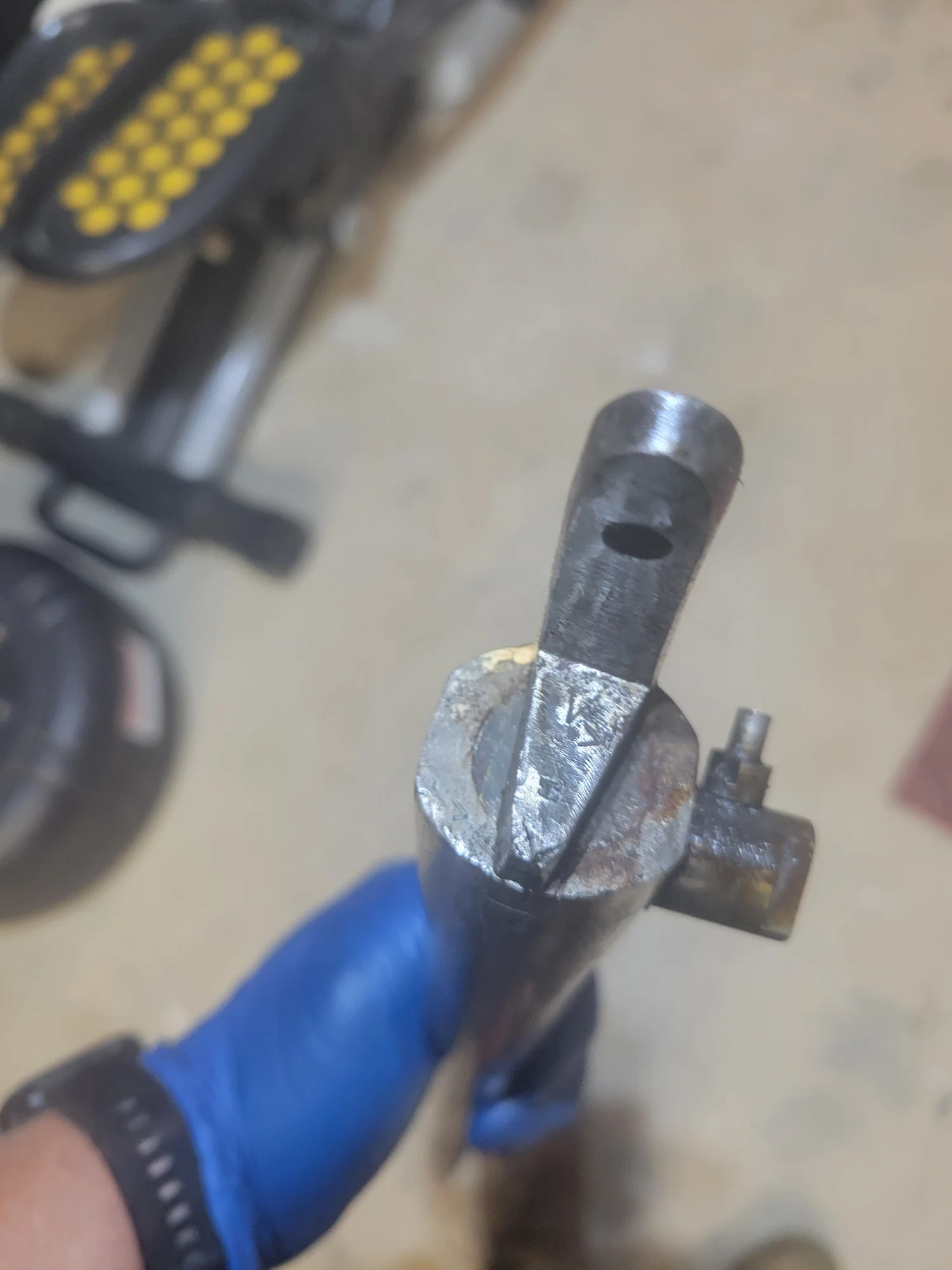
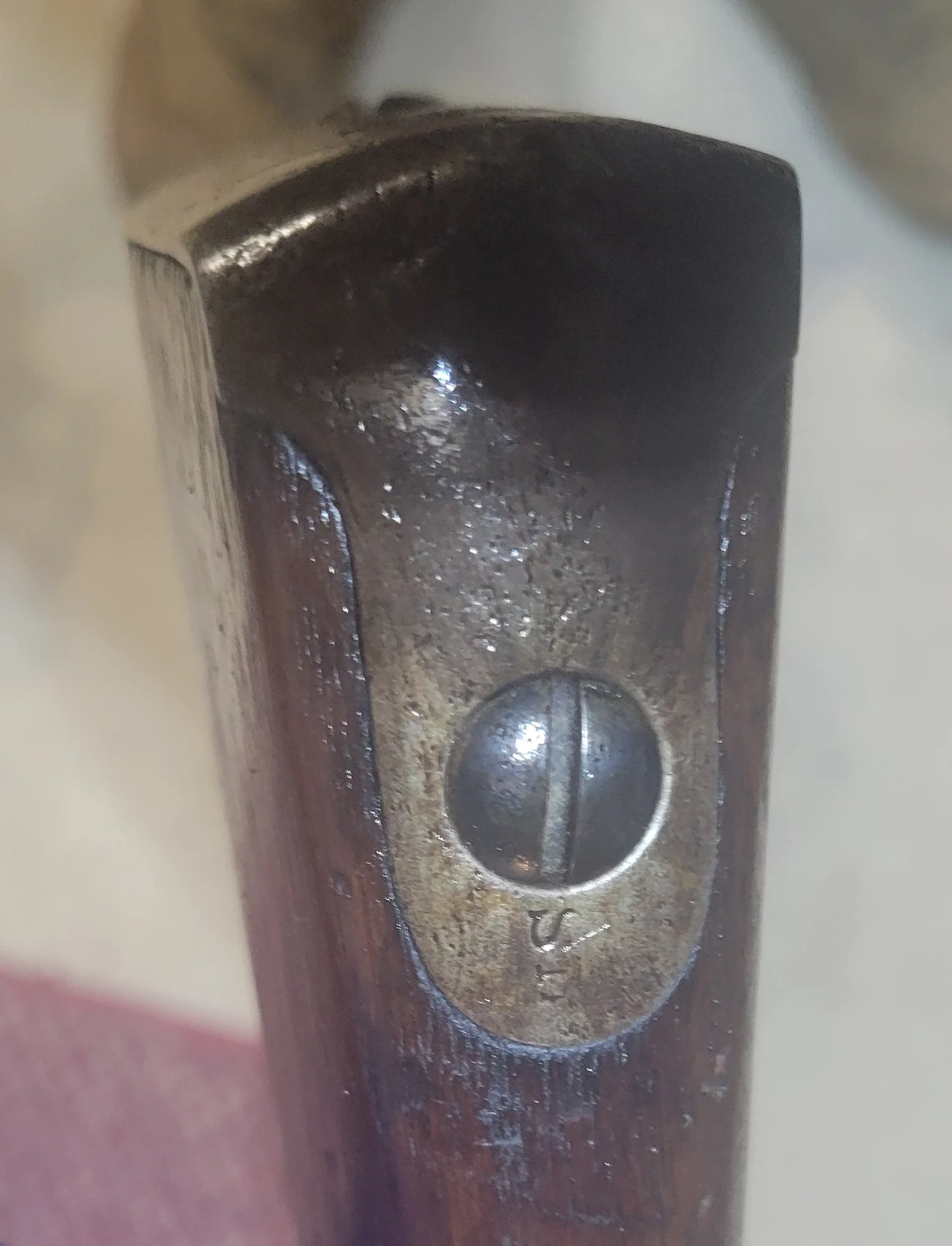
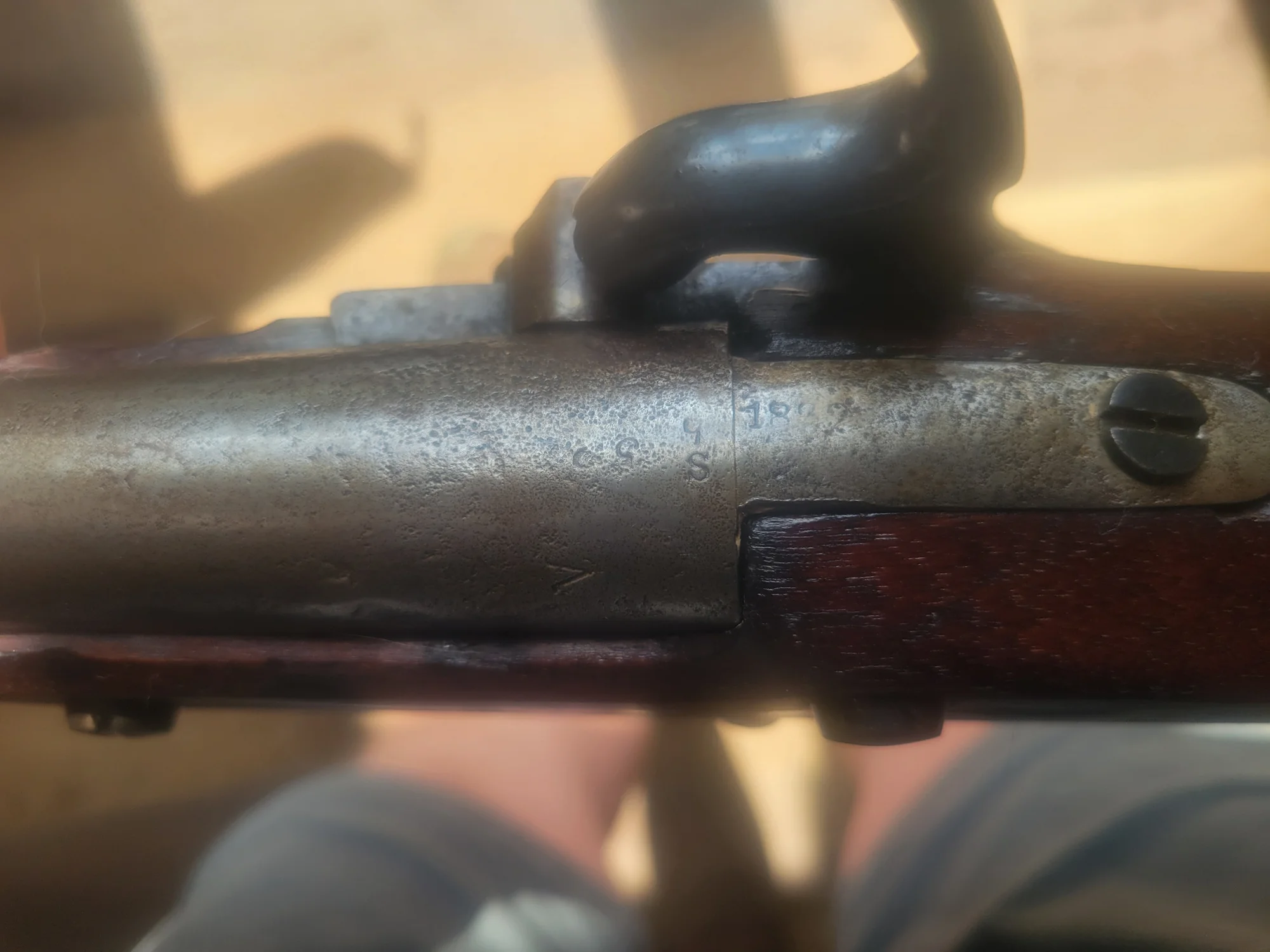
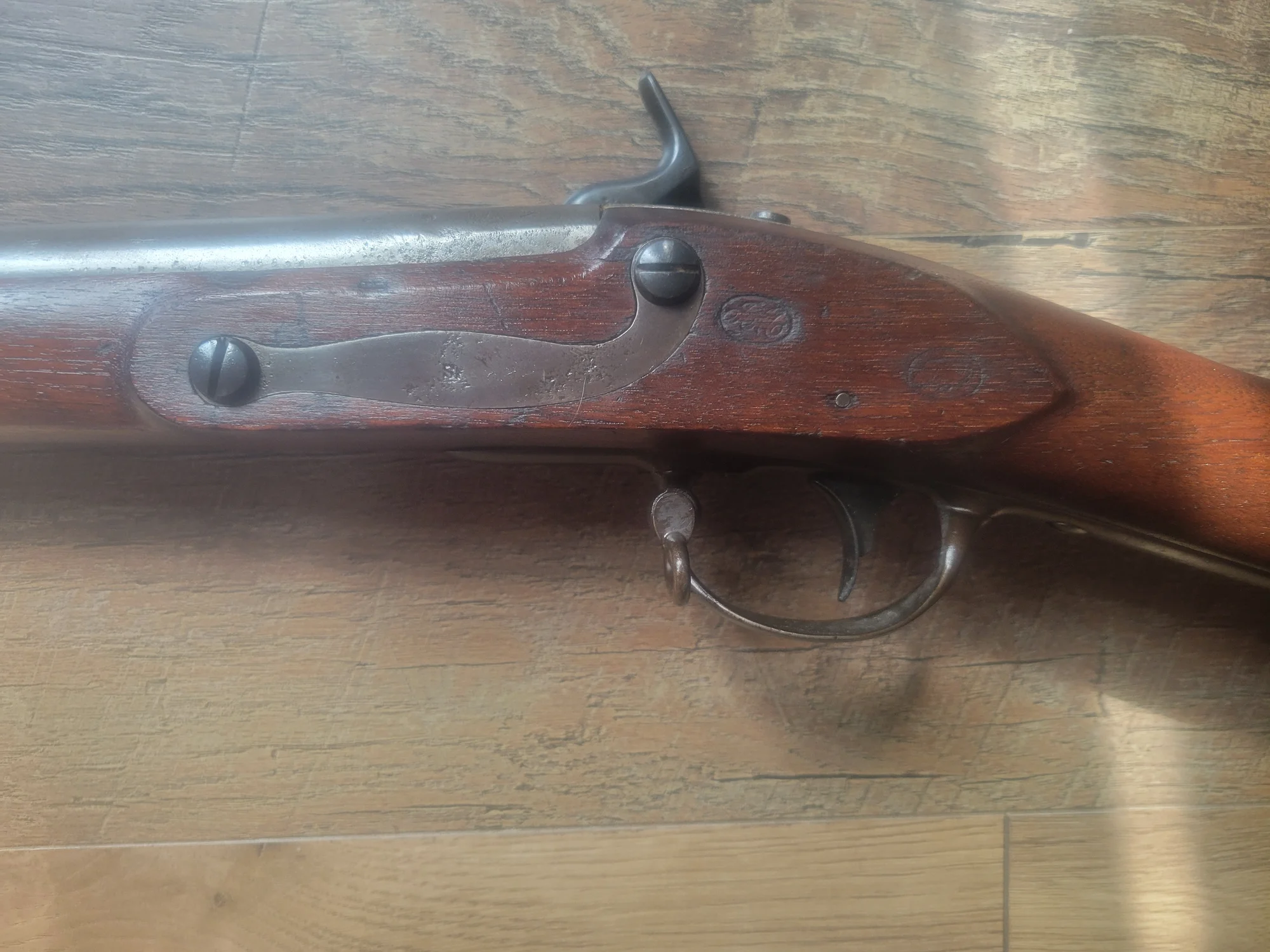
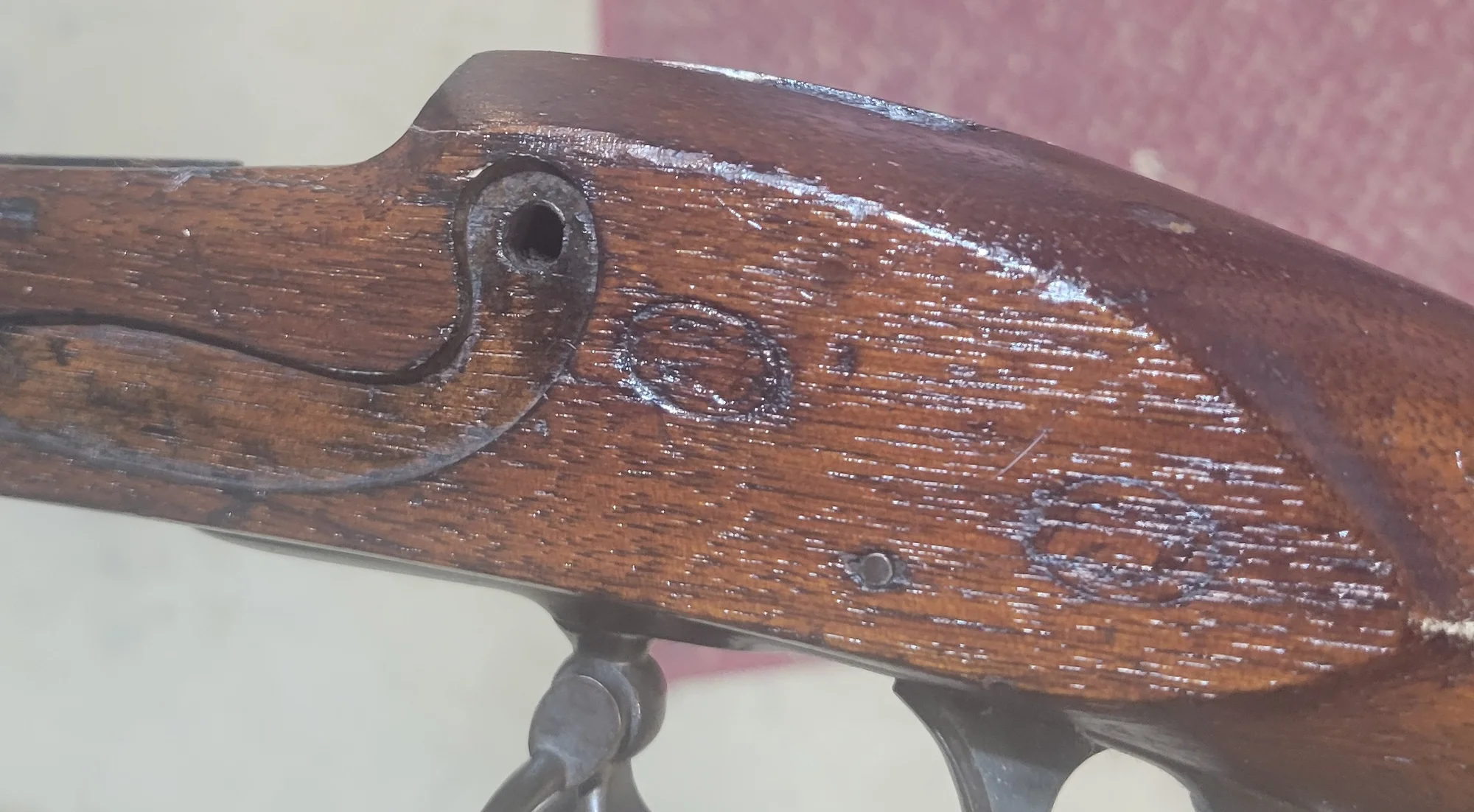
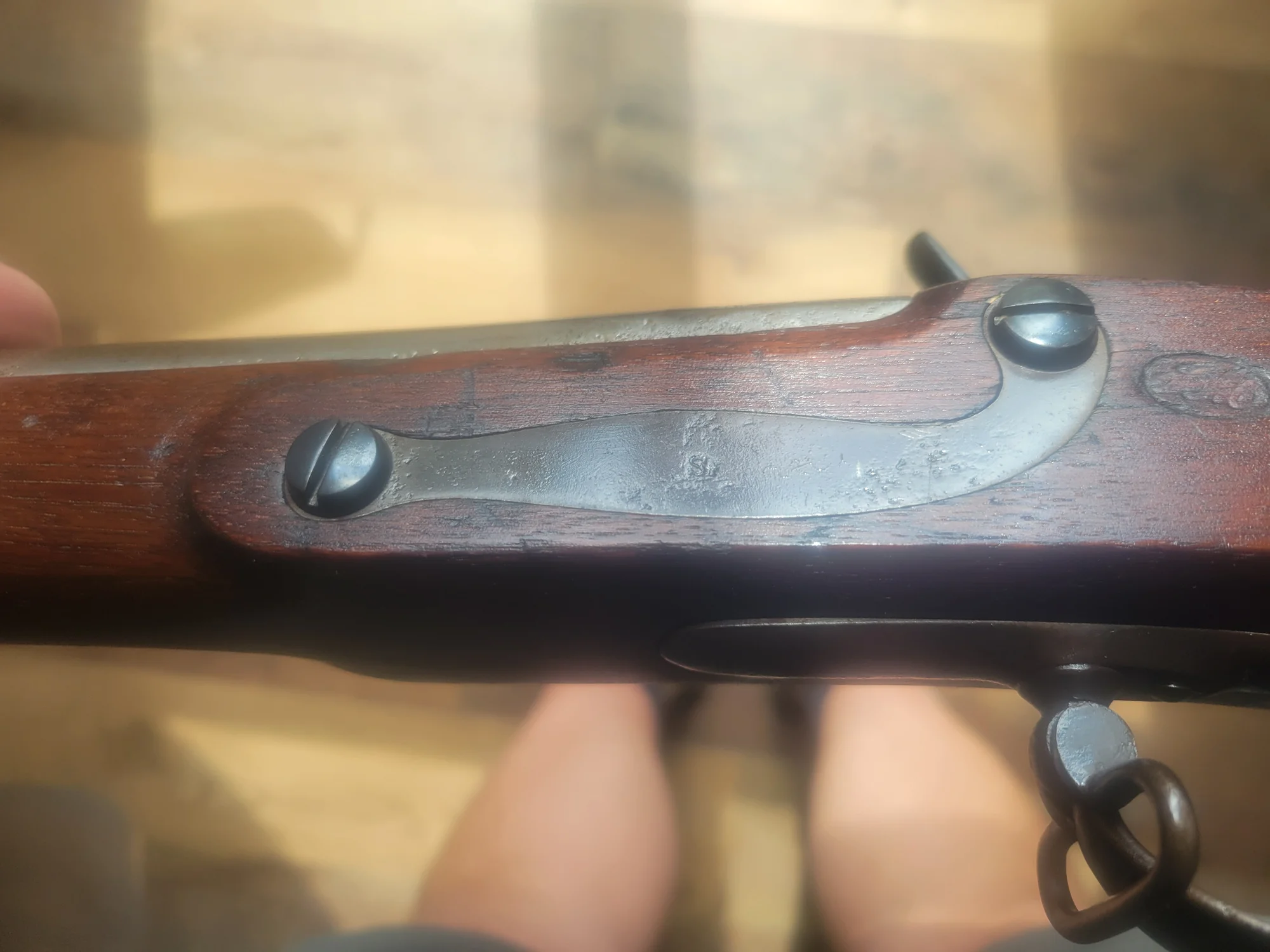
The piece is a Springfield with the date 1832 on the lock. From what I've seen, I believe it is a percussion conversion of an 1816 (I don't know anything about Type I, II, III, etc.). First question--am I on the right track in this identification? The wood is very nice, which is what originally got my attention. There are three cartouches I can find--two on the left side and one on the bottom behind the trigger guard--and a partially readable date on the barrel tang on top. The part that the nipple screws into (bolster?) is missing a plug screw. This was actually plugged with a hex nut when I bought it, which didn't seem quite right, but also makes me think maybe the previous owner was actually firing it from time to time This is where my second question begins--the bolster doesn't seem original, but is it even period correct?
The breech of the barrel has a bit of gunk in it--is it advisable to twist out the breech plug for a good thorough cleaning? The barrel is so long that I don't have a modern cleaning rod that will go all the way down!
I'd be interested in any available information for this old beauty. Did I get a good deal at ~$500? I will post some pictures below.

 Forum Host


 Bringing the