Period Gumbo Soup

Joined
Jul 12, 2007
Location
Aledo, IL
From "Housekeeping In Old Virginia", by Marion Cabell Tyree, 1877

Gumbo Soup

Fry two fowls, old or young, with parsley, pepper, salt, onion, lard or bacon.

Put it in the pot with water sufficient for the soup. One quart sliced okra, scrap of ham or fried sausage to boil with it.

Sassafras Gumbo is made in the same way, except after the fowl has boiled until the flesh has left the bone, just before taking off the fire, stir in one tablespoonful sassafras flour. Oysters are a great improvement to sassafras gumbo. Gather the sassa-fras leaves green, and dry in the shade, as sage; when thoroughly dry, rub through a sieve and bottle and cork tightly. It is nice in beef soup instead of okra.
 
My dad used to complain about modern chickens and how tasteless they are. He said when he was a kid they would stew an old hen for a long time to get the meat tender and it was so flavorful. He thought these pullets they raise fast and sell young did not compare.
 
From "Housekeeping In Old Virginia", by Marion Cabell Tyree, 1877.

... Gather the sassa-fras leaves green, and dry in the shade, as sage; when thoroughly dry, rub through a sieve and bottle and cork tightly. It is nice in beef soup instead of okra.
Sassafras leaves as an herb! I didn't know they were edible. Of course the rabbits that kept nibbling my seedling 🌱 to the ground until I put chicken wire around it certainly knew. Furry little b_______!
 
From "Housekeeping In Old Virginia", by Marion Cabell Tyree, 1877

Gumbo Soup

Fry two fowls, old or young, with parsley, pepper, salt, onion, lard or bacon.

Put it in the pot with water sufficient for the soup. One quart sliced okra, scrap of ham or fried sausage to boil with it.

Sassafras Gumbo is made in the same way, except after the fowl has boiled until the flesh has left the bone, just before taking off the fire, stir in one tablespoonful sassafras flour. Oysters are a great improvement to sassafras gumbo. Gather the sassa-fras leaves green, and dry in the shade, as sage; when thoroughly dry, rub through a sieve and bottle and cork tightly. It is nice in beef soup instead of okra.
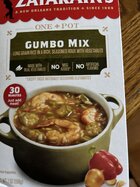
It sounds good if someone else cooked it. I'll have to keep using this it's not bad with good shrimp and hot sausage ….68781029010__48F26E16-ACD3-4BAD-992D-FABC38A0574D.jpeg
 
This is the homemade Gumbo that I made tonight with Shrimp and Mussels
That looks delicious!

My favorite is a seafood gumbo:
Shrimp, crab and whatever firm "white fish" is available.

Regarding the 1877 recipe, I'm glad it's called a soup, as there was no mention of a roux, along with was is commonly referred to as "the trinity" ... which is chopped celery, bell pepper, and onion. Note: go easy with the bell pepper or risk killing the final taste.

While a great gumbo can be made with any ingredients on hand, it's not a true gumbo unless it starts with a roux. (pronounced "roo" as in kangaroo). A roux is a gravy made of flour and vegetable oil/lard ... constantly stirred over low heat for at least 45 minutes to an hour.
One or two beers may be in order for whoever volunteers to stir the roux. :bounce:

A word about sassafras:
One can't just thow-in some sassafras leaves.
These leaves must be dried for awhile and then ground into a very fine powder.
At that point it becomes known as filé (pronounced fee-lay) ... an old Choctaw Indian invention given a French name.

Use only a pinch of filé in each bowl before serving.
As filé was also used as a natural laxative "back in the day".

:eek:
 
Last edited:
That looks delicious!

My favorite is a seafood gumbo:
Shrimp, crab and whatever firm "white fish" is available.

Regarding the 1877 recipe, I'm glad it's called a soup, as there was no mention of a roux, along with was is commonly referred to as "the trinity" ... which is chopped celery, bell pepper, and onion. Note: go easy with the bell pepper or risk killing the final taste.

While a great gumbo can be made with any ingredients on hand, it's not a true gumbo unless it starts with a roux. (pronounced "roo" as in kangaroo). A roux is a gravy made of flour and vegetable oil/lard ... constantly stirred over low heat for at least 45 minutes to an hour.
One or two beers may be in order for whoever volunteers to stir the roux. :bounce:

A word about sassafras:
One can't just thow-in some sassafras leaves.
These leaves must be dried for awhile and then ground into a very fine powder.
At that point it becomes known as filé (pronounced fee-lay) ... an old Choctaw Indian invention given a French name.

Use only a pinch of filé in each bowl before serving.
As filé was also used as a natural laxative "back in the day".

:eek:
I agree about calling it a Soup. I had the same opinion (because of the lack of roux and Trinity) as I posted the recipe.
 
Gumbo is called that because the French word for okra is "gombo". Yes, it has Cajun roots, but trinity and roux are not what make it gumbo.

Respectfully, Karl, 68coupe
The word gumbo comes from the West African word ki ngombo meaning okra and the plant itself is of Eastern African not European origin although the plant was introduced to Europe in the Middle Ages. Whether the word became part of the french language after its introduction is another story, but the word is certainly not originally linguistically french.This is very similar to the arabic origins of Spanish words that begin with al (almond, etc). They may be part of the Spanish vocabulary now but were borrowed from other language families.

Nevertheless, okra--like rice-- was introduced to North America by slaves and not Europeans.

Ground sassafras in the form of file as its roots in Native American cuisine, and the roux as a base of French origin is quintessential to American creole or cajun cuisine (and many Soul Food dishes which isn't surprising given the nature of the early American slave trade). It quite literally binds the stock and the flavors together.

You cannot have real gumbo...light or dark.. in any manifestation without first starting with its base otherwise it is just a soup.
That being said, the purpose of okra and file is to act as a thickening agent like the roux to make the gumbo thicker.

Depending on where you are in the state will determine secondary ingredients used (you'd never find tomatoes in a traditional cajun gumbo but you'd find it in certain creole gumbos depending on where you are in the state), what was available seasonally , and possibly what you had on hand when cooking; but all start with its base--the roux.

Gumbo is one thing...but the difference between red and brown jambalaya is a whole different story.
 
Last edited:

Similar threads


Learn About Us
About CivilWarTalk
Contact the Webmaster
Meet the Staff
Link to CivilWarTalk
Join Our Community
Register
Browse Forums
View Today's Discussions
Search the Forum
Get Help
FAQ
Student Guide
Forum Rules & Etiquette
Copyright / DMCA

     Contact Us CivilwarTalk on Facebook CivilWarTalk on YouTube CivilWarTalk on Twitter RSS Feed

Bringing the American Civil War and More to Life.
© 1999 - , CIVILWARTALK, LLC - Site Version 10.0

SlaveryTalk.com - SecessionTalk.com - CivilWarTalk.com - ReconstructionTalk.com
Back
Top