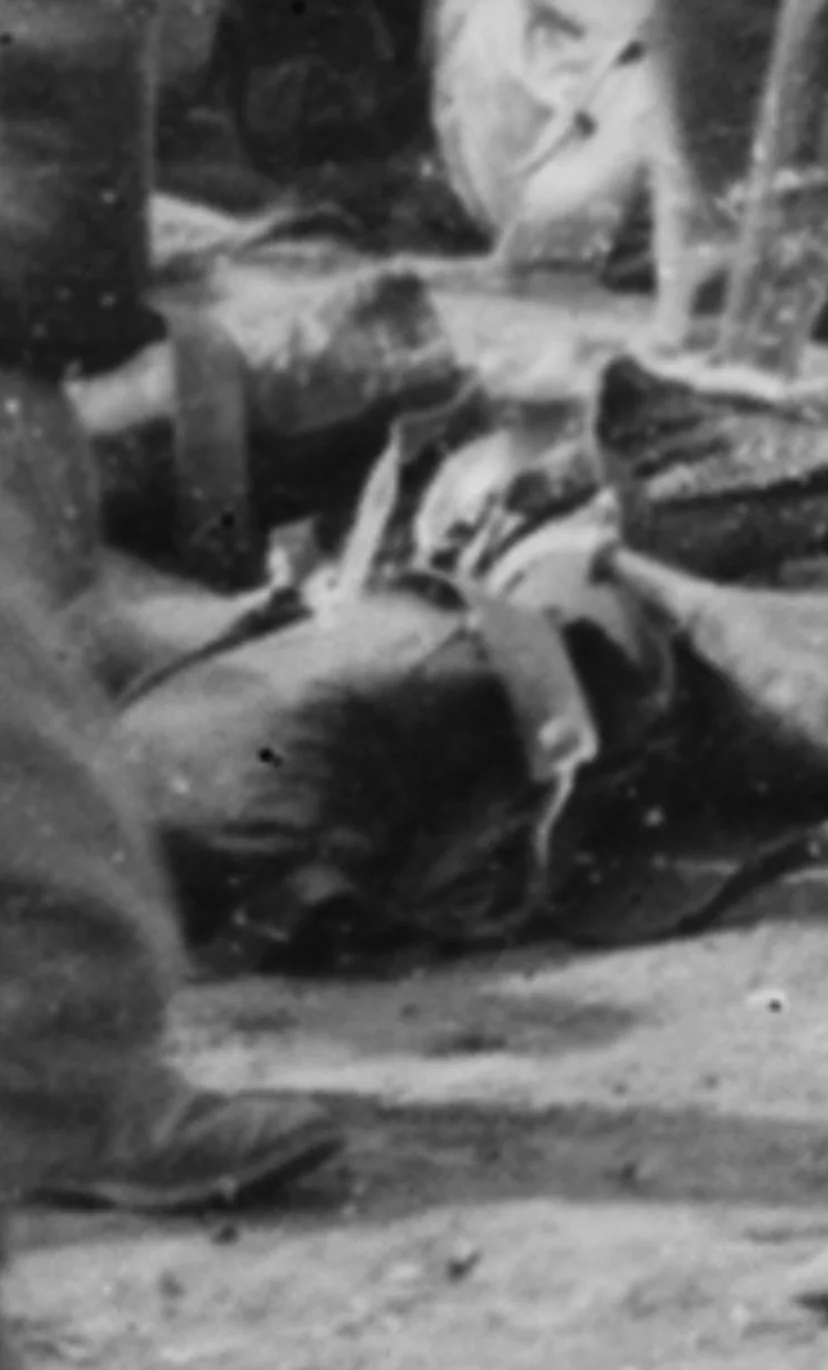
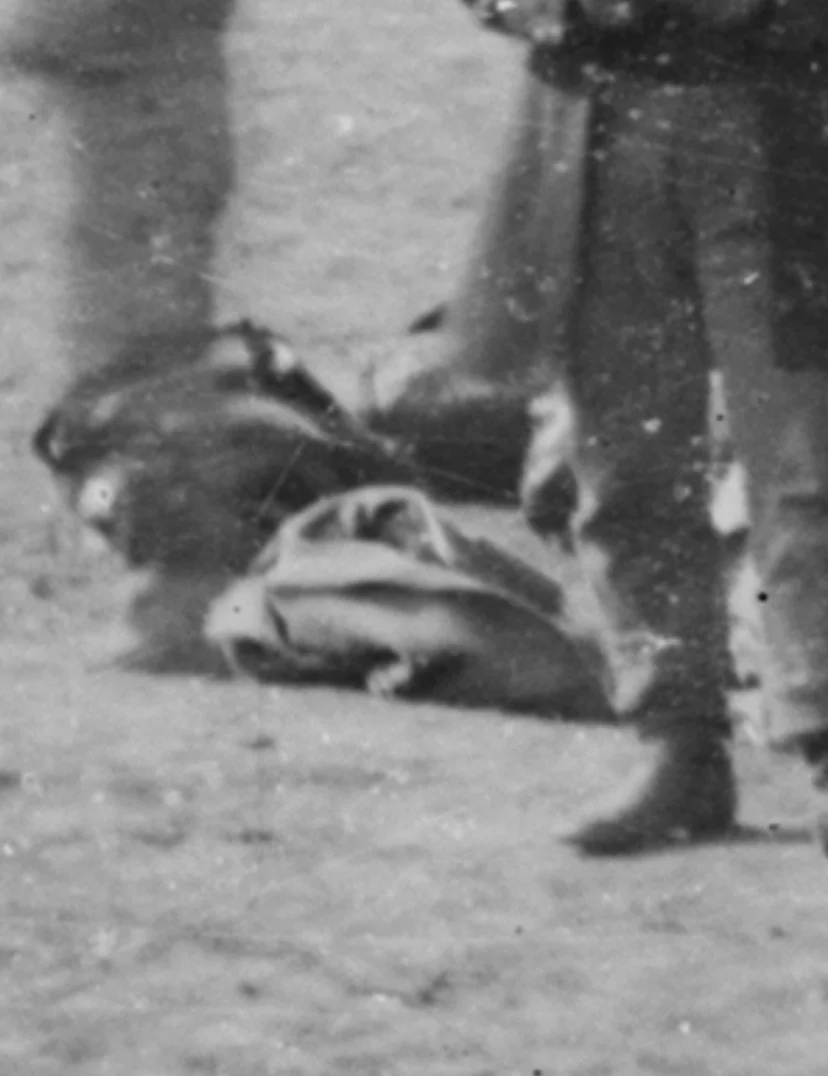
Confederate knapsacks throughout the war

Ethan S.

First Sergeant
Joined
Aug 19, 2019
Location
Carter County Kentucky
I've recently become interested in the knapsacks rebel soldiers used during the war, due to being in the reenacting hobby. It seems that there are some nomenclature titles given to packs, such as Kibbler, Pritchard, Vest, and so on for the different packs used.

The Kibbler packs seem to be the most popular confederate knapsack to use among reenactors, though for what reason I am still not sure. The timeline for when certain knapsacks were used caused me to go on a search in the library of congress to try and find photos of rebel prisoners and determine what they were carrying. Here's some photos for yall to mull over.

Can anyone say with certainty what styles of pack were used at certain time periods during the war? Especially the single bag Pritchard types.

The following are from rebel prisoners at Chattanooga.
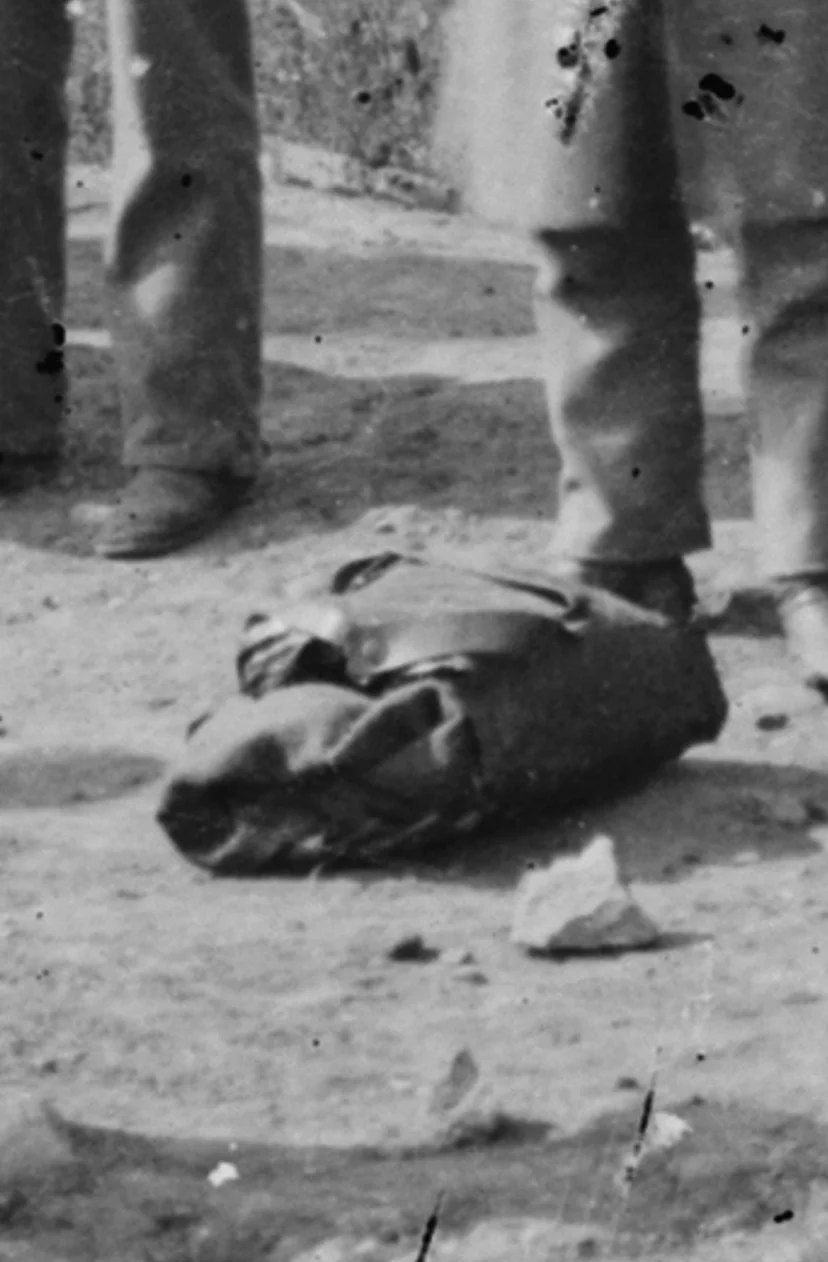
IMG_7534.webp
IMG_7535.webp
IMG_7536.webp
 
The CS stopped making knapsacks in the spring of 1864 since many soldiers didn't like to use them and the resources could be used elsewhere. So stocks were pretty exhausted after the last big issues in April. Those who preferred them either held on to their last issue one or tried to capture a US bag. Some knapsacks were still being imported, but most of those seem to have been held back to be purchased by officers..
 
The CS stopped making knapsacks in the spring of 1864 since many soldiers didn't like to use them and the resources could be used elsewhere. So stocks were pretty exhausted after the last big issues in April. Those who preferred them either held on to their last issue one or tried to capture a US bag. Some knapsacks were still being imported, but most of those seem to have been held back to be purchased by officers..


What were the last issues comprised of? I personally hate bedrolls, it's so easy to lose stuff.
 
What were the last issues comprised of?

English pattern knapsacks were imported in large quantity, besides those made up domestically by contractors or the Army clothing bureau, etc.

Colonel Gorgas of the Confederate Ordnance Bureau noted knapsacks were discontinued in the Spring of 1864...

1771947408306.webp


A circular in early 1864 asked officers if knapsacks should be discontinued, and perhaps a 6x3 oilcloth substituted. Among the responses, General Randall Gibson of Louisiana
"The oil cloth six feet by three feet is preferable to the knapsack in the field. Knapsacks are useless on active campaigns and the oil cloths should be carried and issued. I have been in the field since the war began and justifiably condemn knapsacks--they are totally unfit for... service."

CS Army Ordnance Bureau circular No.42 dated May 24, 1864, Col. Gorgas announced to the arsenals: "The manufacture of knapsacks will be discontinued, only those cut up will be made up. Existing contracts for knapsacks will be changed to furnishing enameled cloth or something else to save the contractor from loss. Instructions will shortly be issued as to a substitute for the knapsacks."
Knapsacks on hand with the Army, or in the hands of troops, were not officially discarded however. The soldiers could wear them in the field if they really wanted to. Most didn't bother, and turned them in to the quartermasters while in active service.


I personally hate bedrolls, it's so easy to lose stuff.

The military custom of the era was for the troops to drop knapsacks and baggage before going into action...

1771948116984.webp


And the soldiers frequently lost their baggage thereby.

But they could be laid off before going into action, and preserved in that manner with the regimental baggage...

1771947762157.webp


But even that was a pain, and no guarantee the soldiers would get the stuff back...

1771948379324.webp


Carrying just a blanket roll was considered advantageous. It did not slow the soldier down so much, or require them to be thrown off for action necessarily. And even if so, not much was lost, that could not be replaced by picking up another blanket on or about the field.

The soldiers of the 7th Florida in mid-1862 were ordered to divest of everything but one blanket in mid-1863 when preparing for active service...

1771948549448.webp


After the Battle of Shiloh Johnny Green of the Orphan Brigade noted...

1771948693144.webp


The troops in Pickett's charge largely dropped all extra equipment beforehand. Among those captured, a Union soldier noticed them picking up blankets, etc. on their march to the rear as prisoners...

1771949238893.webp


1771949032537.webp


Alexander Hunter of the 17th Virginia observed...

1771943120348.webp

1771943159653.webp


From John Worsham, "one of Jackson's Foot-cavalry"...

1771945551734.webp
 
English pattern knapsacks were imported in large quantity, besides those made up domestically by contractors or the Army clothing bureau, etc.

Colonel Gorgas of the Confederate Ordnance Bureau noted knapsacks were discontinued in the Spring of 1864...

View attachment 575308

A circular in early 1864 asked officers if knapsacks should be discontinued, and perhaps a 6x3 oilcloth substituted. Among the responses, General Randall Gibson of Louisiana
"The oil cloth six feet by three feet is preferable to the knapsack in the field. Knapsacks are useless on active campaigns and the oil cloths should be carried and issued. I have been in the field since the war began and justifiably condemn knapsacks--they are totally unfit for... service."

CS Army Ordnance Bureau circular No.42 dated May 24, 1864, Col. Gorgas announced to the arsenals: "The manufacture of knapsacks will be discontinued, only those cut up will be made up. Existing contracts for knapsacks will be changed to furnishing enameled cloth or something else to save the contractor from loss. Instructions will shortly be issued as to a substitute for the knapsacks."
Knapsacks on hand with the Army, or in the hands of troops, were not officially discarded however. The soldiers could wear them in the field if they really wanted to. Most didn't bother, and turned them in to the quartermasters while in active service.


The military custom of the era was for the troops to drop knapsacks and baggage before going into action...

View attachment 575310

And the soldiers frequently lost their baggage thereby.

But they could be laid off before going into action, and preserved in that manner with the regimental baggage...

View attachment 575309

But even that was a pain, and no guarantee the soldiers would get the stuff back...

View attachment 575311

Carrying just a blanket roll was considered advantageous. It did not slow the soldier down so much, or require them to be thrown off for action necessarily. And even if so, not much was lost, that could not be replaced by picking up another blanket on or about the field.

The soldiers of the 7th Florida in mid-1862 were ordered to divest of everything but one blanket in mid-1863 when preparing for active service...

View attachment 575312

After the Battle of Shiloh Johnny Green of the Orphan Brigade noted...

View attachment 575313

The troops in Pickett's charge largely dropped all extra equipment beforehand. Among those captured, a Union soldier noticed them picking up blankets, etc. on their march to the rear as prisoners...

View attachment 575316

View attachment 575314


Alexander Hunter of the 17th Virginia observed...

View attachment 575304
View attachment 575305


From John Worsham, "one of Jackson's Foot-cavalry"...

View attachment 575306
I wonder if some (many?) soldiers somehow reinforced their pockets OR wore inside the shirts/pants belts with a storage pouch so that they could keep some of their personal items even during the battles, and wouldn't lose them by turning them in prior to battles.
 
I wonder if some (many?) soldiers somehow reinforced their pockets OR wore inside the shirts/pants belts with a storage pouch so that they could keep some of their personal items even during the battles, and wouldn't lose them by turning them in prior to battles.

According to Carleton McCarthy, the men without knapsacks might carry some personal items in their haversack instead (besides their food). Or just in their jacket or trousers pockets.

1771954573118.webp


The Confederate soldiers, employing their haversacks like a small knapsack, if they bothered about one, did employ their pockets for carriage of food...

1771955568437.webp


1771955731486.webp


Or even ammunition...

1771955921457.webp


And frequently a notebook or a pocket-size copy of the Bible...

1771955211084.webp


1771955274783.webp


1771955338605.webp


Whatever baggage was, or wasn't, bothered about, the rebs frequently wore their toothbrushes in a button-hole of their jacket or coat...

1771954841753.webp


1771954880154.webp


Col. Fremantle observed...

1771955042002.webp

1771955065721.webp
 
So what time frame would the Pritchard style single bags, Kibbler style and Hardpack style knapsacks have been used?
Are you asking because you're in the market to add one to your impression? If so just going by personal experience I think the Kibbler is the most comfortable and certainly appropriate for any Confederate impression. The hard packs the least and I'd say really only appropriate early war. If you may be doing both Confederate and Federal and only want to buy one pack a Federal double bag is certainly appropriate for Confederate use as well. Just some things to keep in mind. Another nice thing about the Kibbler, and there's period photos showing it, if you want to carry an extra blanket it's easy to throw a bedroll over it.
 
Are you asking because you're in the market to add one to your impression? If so just going by personal experience I think the Kibbler is the most comfortable and certainly appropriate for any Confederate impression. The hard packs the least and I'd say really only appropriate early war. If you may be doing both Confederate and Federal and only want to buy one pack a Federal double bag is certainly appropriate for Confederate use as well. Just some things to keep in mind. Another nice thing about the Kibbler, and there's period photos showing it, if you want to carry an extra blanket it's easy to throw a bedroll over it.
I've had both a Kibbler style and an imported English style. Kibbler is probably the closest to universal, but imported versions were fairly prevalent as well. The hard pack versions made domestically or from militia stocks were certainly more early war. I'm partial to the import English and have a few guys that swear by the French version as well.

I had a friend that happens to be a quality clothing vendor who discussed a theory with me regarding what soldiers possibly did to make blanket rolls more convenient. There are some accounts of the men making large sized haversacks for their comrades. The theory is that guys with no knapsacks would use an extra haversack to carry non food items like toothbrushes, writing materials, a testament or small book, pipes/tobacco, sewing kit, extra socks, and other items that you might want to access quickly without completely unrolling your blanket. It's only a theory because the accounts don't specifically say if they were extras, but at least the main account seems to indicate it was in addition to the one the buyer had already been issued. Haversacks were rarely in short supply which would support that theory.
 
Are you asking because you're in the market to add one to your impression? If so just going by personal experience I think the Kibbler is the most comfortable and certainly appropriate for any Confederate impression. The hard packs the least and I'd say really only appropriate early war. If you may be doing both Confederate and Federal and only want to buy one pack a Federal double bag is certainly appropriate for Confederate use as well. Just some things to keep in mind. Another nice thing about the Kibbler, and there's period photos showing it, if you want to carry an extra blanket it's easy to throw a bedroll over it.
Yes, but I figured it would be a good topic for non-reenactors as well.
 
So what time frame would the Pritchard style single bags, Kibbler style and Hardpack style knapsacks have been used?

James A. Kibler (one "b" in the name), Company F, 10th Virginia Volunteers, CSA, enlisted April 18, 1861 at Woodstock, Va.

He was captured at Waynesboro, Va., March 2, 1865.
Released from Fort Delaware, June 15, 1865.


N.B. Johnston stated that he received his single-bag type knapsack in camp in late 1864...

1772551412732.webp


William S. Dogan of the 5th South Carolina, enlisted in April, 1861. Detailed to detached service with the Ordnance Department at Richmond in the summer of 1864. His imported British "S. Isaacs, Campbell & Co." knapsack survives.

1772552250014.webp


A more complete view...
 
James A. Kibler (one "b" in the name), Company F, 10th Virginia Volunteers, CSA, enlisted April 18, 1861 at Woodstock, Va.

He was captured at Waynesboro, Va., March 2, 1865.
Released from Fort Delaware, June 15, 1865.


N.B. Johnston stated that he received his single-bag type knapsack in camp in late 1864...

View attachment 575676


William S. Dogan of the 5th South Carolina, enlisted in April, 1861. Detailed to detached service with the Ordnance Department at Richmond in the summer of 1864. His imported British "S. Isaacs, Campbell & Co." knapsack survives.

View attachment 575679

A more complete view...
That's interesting. I see a lot of Reenactors cross the straps on the back Instead of having them straight up and down like the diagram depicts.
 
That's interesting. I see a lot of Reenactors cross the straps on the back Instead of having them straight up and down like the diagram depicts.

Since those knapsacks have no wood frame, when packed over-full, and the bag bulging, the straps easily slip off the sides. Crossing them can prevent that problem.

Otherwise seem to have been intended to be just strapped round the bag...

1772638567292.webp


Walker's Gettysburg painting...

1772638436296.webp


In this Waud sketch of rebs at Richmond after Appomattox, he shows the Confederate single bag knapsack at center, with the straps in the customary mode...
1772639300426.webp


But notice the knapsack at the feet of the chap at right, with the straps crossed...

1772639336858.webp
 
Since those knapsacks have no wood frame, when packed over-full, and the bag bulging, the straps easily slip off the sides. Crossing them can prevent that problem.

Otherwise seem to have been intended to be just strapped round the bag...

View attachment 575737


Walker's Gettysburg painting...

View attachment 575736

In this Waud sketch of rebs at Richmond after Appomattox, he shows the Confederate single bag knapsack at center, with the straps in the customary mode...
View attachment 575738

But notice the knapsack at the feet of the chap at right, with the straps crossed...

View attachment 575739
That's awesome! Thanks!
 

Learn About Us
About CivilWarTalk
Contact the Webmaster
Meet the Staff
Link to CivilWarTalk
Join Our Community
Register
Browse Forums
View Today's Discussions
Search the Forum
Get Help
FAQ
Student Guide
Forum Rules & Etiquette
Copyright / DMCA

     Contact Us CivilwarTalk on Facebook CivilWarTalk on YouTube CivilWarTalk on Twitter RSS Feed

Bringing the American Civil War and More to Life.
© 1999 - , CIVILWARTALK, LLC - Site Version 10.0

SlaveryTalk.com - SecessionTalk.com - CivilWarTalk.com - ReconstructionTalk.com
Back
Top