
 Forum Host
- Joined
- Oct 10, 2012
- Location
- Mt. Jackson, Va
OTD - July 18, 1863
The 54th Massachusetts Infantry, a unit comprised of African American soldiers, made it's heroic assault on Fort Wagner located on Morris Island at the entrance to Charleston Harbor, SC.
The 54th Massachusetts numbered 600 men at the time of the assault. Of these, 270 were killed, wounded, or captured during the engagement. Col. Shaw was killed, along with 29 of his men; 24 more later died of wounds, 15 were captured, 52 were missing in action and never accounted for, and 149 were wounded. These casualties represented the highest in the history of the regiment during a single engagement. Two company commanders were killed during the attack.
The Union forces were never able to take the fort using Infantry assaults, but instead undertook a prolonged bombardment by ships and shore batteries which lasted almost two months. Finally, on the evenings of September 6th and 7th, the Confederate Garrison was forced to withdraw it's remaining force and functioning artillery.
In 1885, three veterans returned to Morris Island to visit the site and discovered that erosion had literally washed away any physical evidence of the fierce combat that had taken place there.
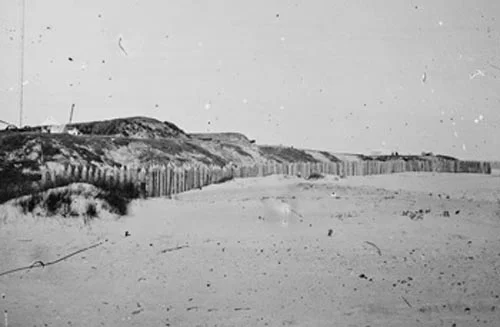
The 54th Massachusetts Infantry, a unit comprised of African American soldiers, made it's heroic assault on Fort Wagner located on Morris Island at the entrance to Charleston Harbor, SC.
The 54th Massachusetts numbered 600 men at the time of the assault. Of these, 270 were killed, wounded, or captured during the engagement. Col. Shaw was killed, along with 29 of his men; 24 more later died of wounds, 15 were captured, 52 were missing in action and never accounted for, and 149 were wounded. These casualties represented the highest in the history of the regiment during a single engagement. Two company commanders were killed during the attack.
The Union forces were never able to take the fort using Infantry assaults, but instead undertook a prolonged bombardment by ships and shore batteries which lasted almost two months. Finally, on the evenings of September 6th and 7th, the Confederate Garrison was forced to withdraw it's remaining force and functioning artillery.
In 1885, three veterans returned to Morris Island to visit the site and discovered that erosion had literally washed away any physical evidence of the fierce combat that had taken place there.


 Bringing the